Home / Products / Gypsum Board
fire resistant gypsum board panel

Fire Resistant Gypsum Board

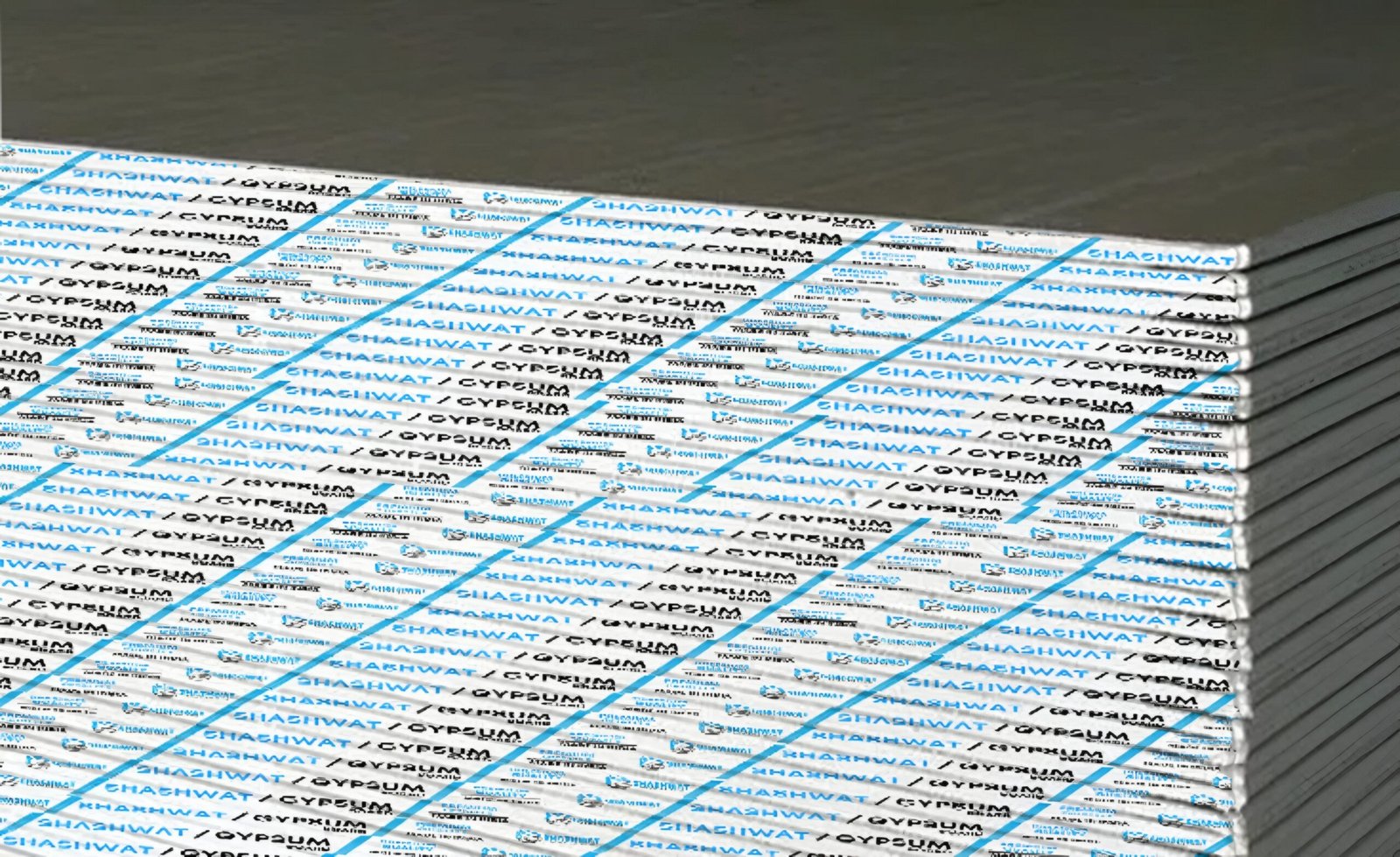
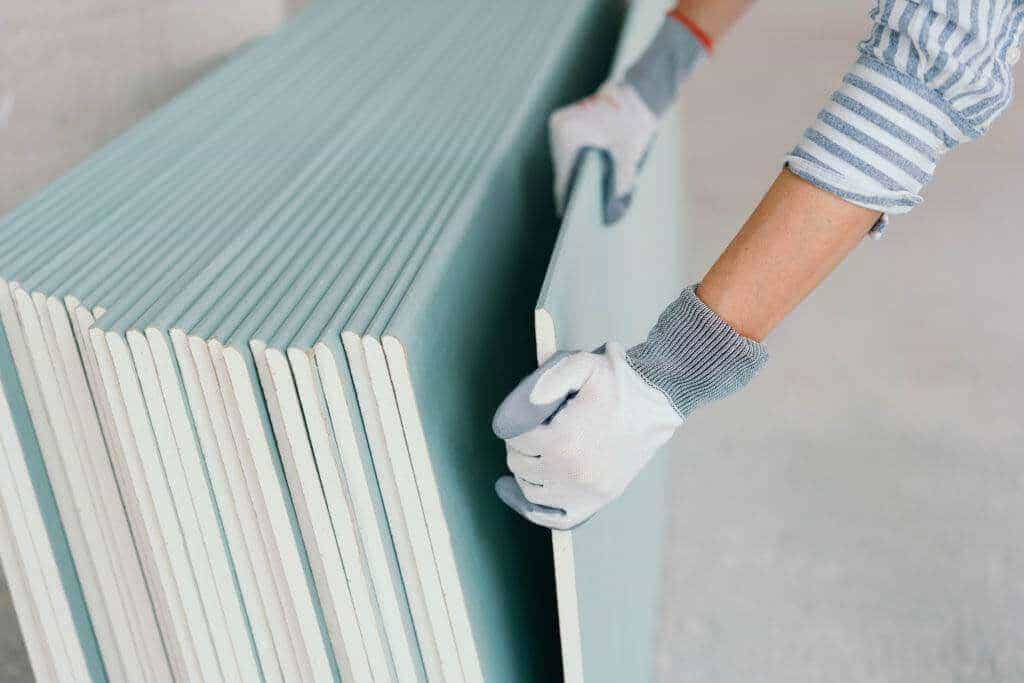
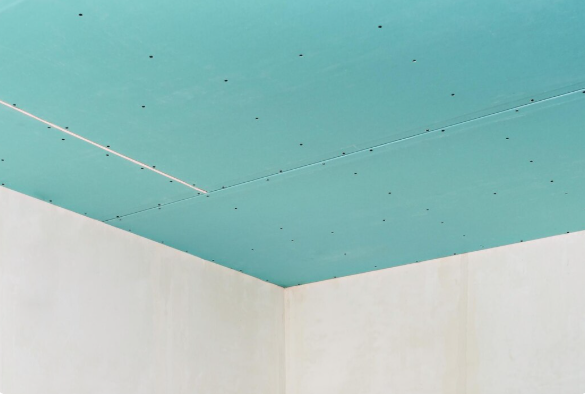
Shashwat Wallcare Gypsum Boards are high-performance, fire-resistant, lightweight boards used for interior gypsum ceiling board, gypsum partition board, and wall lining systems. Their smooth finish, stability, and easy installation make them the preferred choice for modern construction.

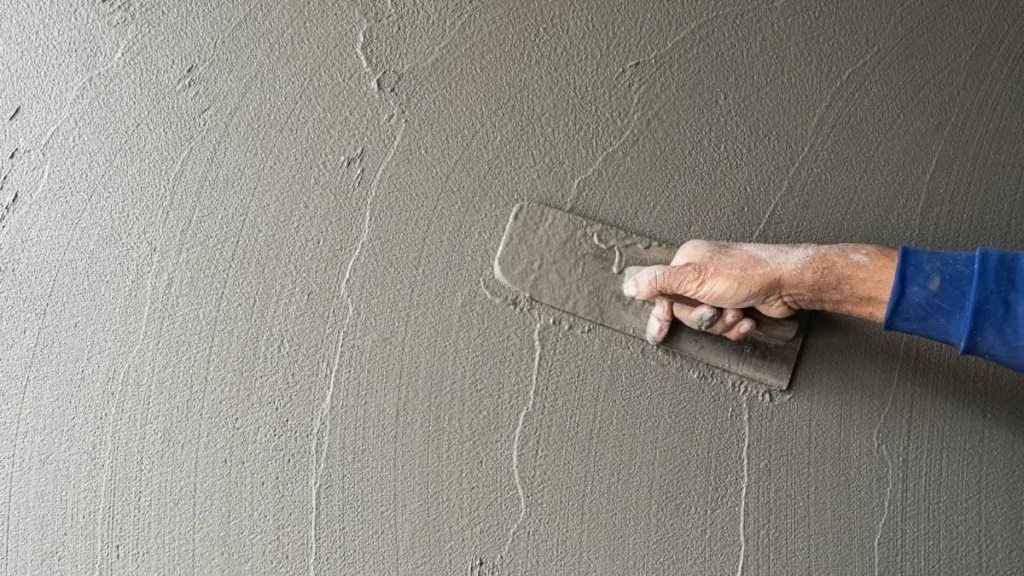
Gypsum Plasterboards is a high-quality, ready-to-use plastering material made from naturally occurring gypsum. It offers a smooth, durable, and superior finish for interior walls and ceilings. With excellent bonding strength and fast application, Gypsum Plasterboards has become the modern alternative to traditional cement-sand plaster board.

Key Features & Benefits

Lightweight & Easy
Installation

Fire-Resistant
Core

Sound & Thermal Insulation

Crack-Resistant &
Warp-Free

Smooth, Paint
Ready Surface

Eco-Friendly
Material

Why Choose Our Gypsum Board?

  • – Modern, lightweight construction
  • – Faster installation with clean results
  • – Durable, stable & long-lasting
  • – Ideal for residential and commercial interiors
  • – Provides superior acoustics and thermal comfort
  • – Allows precise finishing for premium interior aesthetics
  • – Easy to cut, shape, and install for customized designs
  • – Minimizes cracking and warping for a flawless appearance
  • – Compatible with all types of paints and decorative f- nishes
  • – Low maintenance and eco-friendly material choice
gypsum board for false ceiling installation

What is Gypsum Board

Gypsum Board is one of the most commonly used materials in the building industry today and it is used primarily for interior walls and ceilings. Its other name is gypsum plasterboard or drywall board manufacturer. The process to manufacture gypsum board involves compressing a natural mineral, called gypsum, into a flat core that is then coated on both sides with strong layers of paper. The moisture resistant gypsum board product is a board that is light, smooth, and strong, thus easy to be installed and handled too.

Since Gypsum Board is an indoor material, it has the quality to give a neat and clean finish. The surface after installation is smooth and can be painted, wallpapered, or decorated with other finishes. This gives a modern, neat, and well-finished appearance to the rooms. Gypsum board manufacturer find their places in houses, apartments, offices, schools, hospitals, hotels, malls, and commercial buildings.

One of the major factors that have made gypsum board a popular choice is its multifunctional nature. It is all the time; light, fireproof, soundproof, and installation easy. The construction process is fast, and the result is a comfortable, safe, and good-looking indoor environment.

TYPES OF GYPSUM PLASTERBOARD

Gypsum plasterboards are classified into different categories. Every single type of plasterboard is manufactured for a particular use or condition.
1. Regular Gypsum Board
This is the most widely used category. It is meant for normal interior walls and ceilings where there is neither high humidity nor fire hazard.

2. Fire-Resistant Gypsum Board

The Fire-resistant gypsum board has a unique composition of the material which makes it resistant to fire for a longer duration. It is suitable for places where fire safety is a major concern, e.g., staircases, corridors, and commercial buildings.

3. Moisture-Resistant Gypsum Board

This is a special kind of board which is made to resist moisture and humid conditions. It can be used in kitchens, bathrooms, and other wet areas.

4. Soundproof Gypsum Board

The soundproof boards are specifically made to block the noise transmission from one room to the other. They are used in places such as conference rooms, hotels, hospitals, and houses where noise control is significant.

5. Impact-Resistant Gypsum Board
The impact-resistant board is a stronger and tougher type of plasterboard. Besides that, it doesn’t get damaged easily by dents and is used in places like schools and hospitals with high foot traffic.

6. Flexible Gypsum Board
Flexible boards are those that can be bent and curved. They are used for ornamental designs, shaped walls, and imaginative interiors.

Different types of gypsum boards enable the builders to make the correct choice in accordance with safety, moisture, sound, and design needs.

Properties of Gypsum Plasterboard as a Building Material

Gypum plasterboard is endowed with numerous properties which made it a trustworthy building material.

  • Fire Resistance
    Gypsum is a mineral that has water trapped in its structure. The water evaporates slowly during heat thus, fire spreading is not only delayed but safety is also improved.
  • Lightweight
    The gypsum boards are considerably lighter than the conventional brick or cement walls. This has a diminishing effect on the overall weight of the building structure.
  • Smooth Surface
    The surface of the board is flat and uniform that caters painting and decorative finishes very well.
  • Sound Insulation
    Gypsum board does its part in cutting the noise that may travel from one room to another and then creates quieter indoor areas.
  • Thermal Insulation
    It doesn’t let the heat from the outside get in so the indoor temperature is maintained.
  • Easy to Cut and Install
    The gypsum boards can be shaped with the most basic of tools and then easily mounted on either metal or wooden frames.
  • Durability
    Quality gypsum boards do not lose their stability and flatness for many years if installed correctly.

Gypsum Board Features

Gypsum Board has numerous features that are very beneficial:

  • Light-weight and simple to deal with
  • Evenly and smoothly surfaced
  • Possessing fire-resistance qualities
  • Excellent soundproofing
  • Indoor temperature control
  • Fast and easy installation
  • Applicable for floors, ceilings, and dividers
  • Nature-friendly as it comprises of natural gypsum
  • All these features together allow the utilization of gypsum board in the building of modern interior.

Gypsum Board Benefits

Gypsum Board has a number of benefits to offer:
1. Fast Construction
Setting is done faster than the usual method of plastering.
2. Cost Savings
The reduced labour requirement along with the quicker project completion leads to the overall low cost.
3. Fire Safety
It enhances the safety of the building by retarding the fire spread.
4. Beautiful Finish
It gives an appearance of a smooth surface that is modern and clean.
5. Noise Reduction
Used for soundproofing in the housing.
6. Energy Efficiency
It becomes a factor in the reduction of heat loss and gain.
7. Clean Worksite
Dust and mess produced during installation is minimum.

Gypsum Board Areas of Applications

Gypsum Board has a wide range of usages:
Interior Walls
It is generally used for construction or covering internal walls in residential and commercial spaces.
Ceilings
It is utilized for making smooth and decorative ceilings.
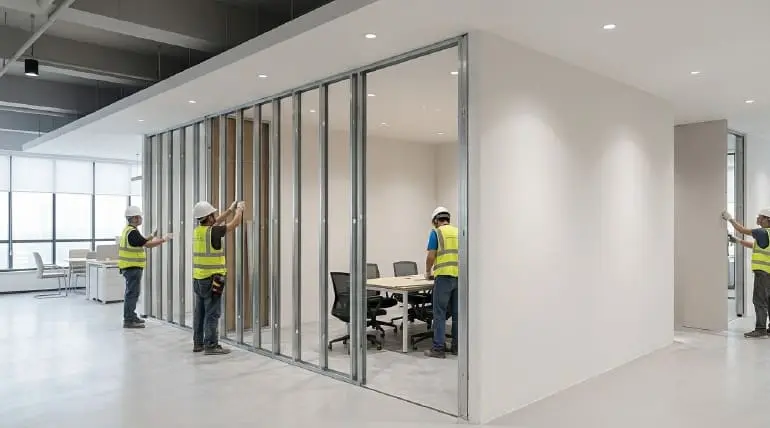
Partitions
It is made for splitting up larger areas into smaller rooms.
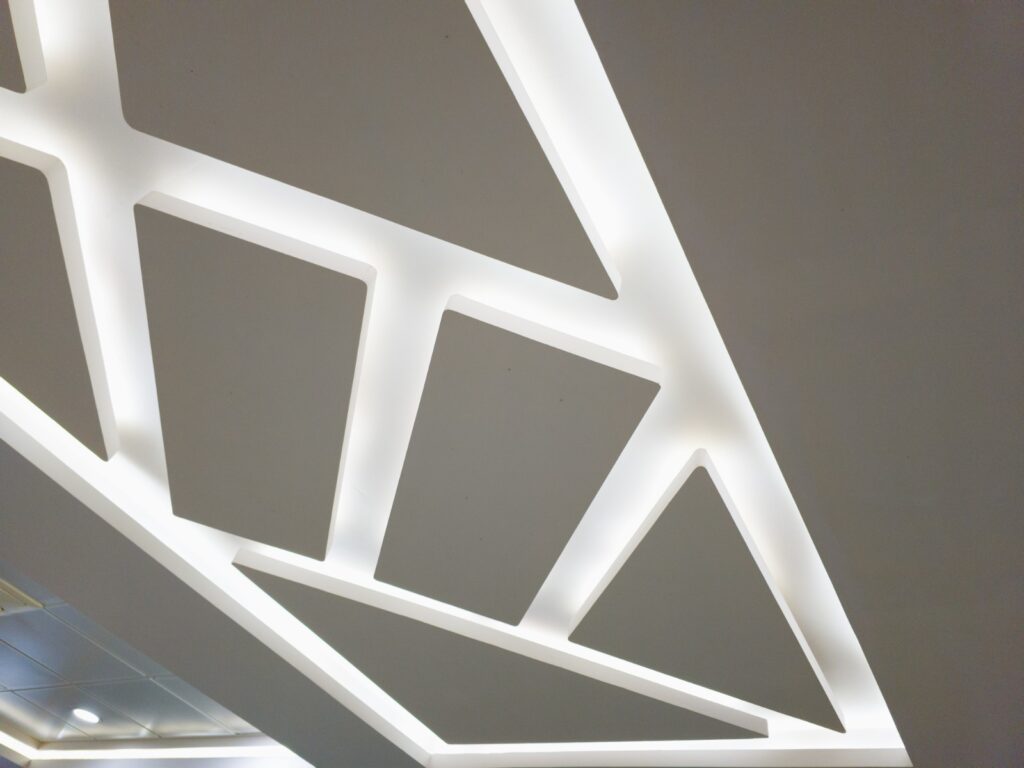
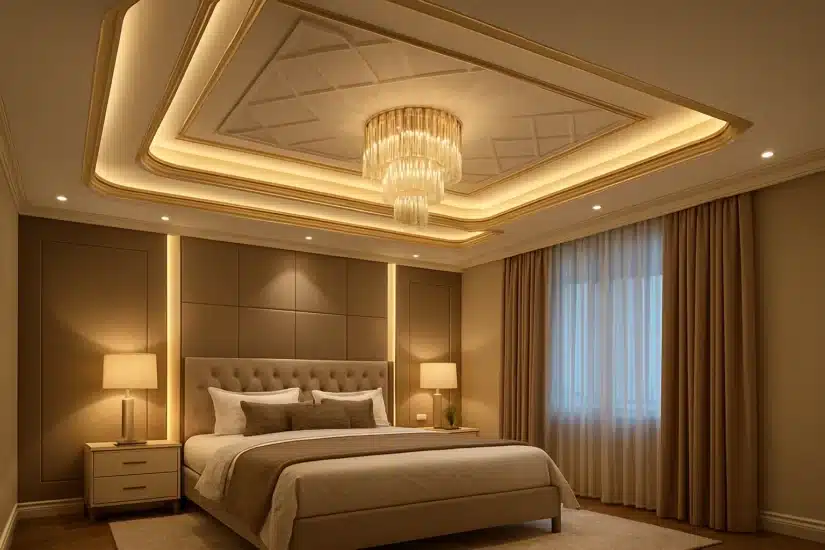
False Ceilings
It is often the best choice for concealing electrical wiring and lighting systems.
Wall Cladding
It is a way to enhance the look of the walls that already exist.
Commercial Interiors
It is used a lot in retail, office, mall and hotel spaces.

Gypsum Board vs POP

Gypsum Board and Plaster of Paris (POP) both have interior uses, but they are different:

  • Gypsum board is available in pre-cut sheets.
  • Water is used to mix POP which then gets troweled on.
  • Gypsum boards can be laid down quicker and they also present a smooth and even surface.
  • POP on the other hand can provide better intricate designs but requires more time.

Gypsum Board vs Drywall

Gypsum board and drywall are made of the same material. Drywall is just another name for gypsum plasterboard.

Gypsum Board vs Plywood

Gypsum board is a non-combustible material and so it is mainly utilized in the construction of walls and ceilings.

  • Plywood is a product derived from timber and it mainly finds its uses in the making of furniture and cabinets.
  • Gypsum board is a more suitable material than plywood for interior finishing.
  • The plywood is more appropriate for structural work and making of furniture.

Gypsum Board vs Cement Board

  • One of the major advantages of gypsum board is that it is lighter than cement board and it requires less labor for installation.
  • Cement board is more resistant to moisture but it is also heavier.
  • Cement board is the right choice for installation in the wet areas.
  • Gypsum board is the right choice for installation in dry interior spaces.

Gypsum Board vs POP False Ceiling

  • Gypsum board false ceilings are made up of fixed panels.
  • POP ceilings are produced by manual separation of the material.
  • Gypsum ceilings are faster and cleaner.
  • POP offers more creative designs.

Gypsum Board vs PVC Board

  • Gypsum board is non-combustible.
  • PVC board is synthetic and non-biodegradable.
  • Gypsum board has superior sound and heat insulation properties.
  • PVC board is more water-resistant, but it is not fire-safe.

Gypsum Board vs PVC Ceiling

  • Gypsum ceilings are robust plus fire-resistant.
  • PVC ceilings are lightweight but are made of plastic.
  • Gypsum is less hazardous for indoor use.

Gypsum Board vs Calcium Silicate Board

  • Gypsum board is lighter and cheaper.
  • Calcium silicate board can resist higher moisture conditions and has better strength.
  • Gypsum board is suitable for standard interiors.
  • Calcium silicate board is for heavy-duty or wet areas.

How to Apply Gypsum Board: Step-by-Step Guide

Step 1: Surface Preparation
Make sure the area is clean and free from dust.
Step 2: Frame Installation
Metal or wooden framing should be fixed properly.
Step 3: Measuring and Cutting
Boards should be measured and cut precisely.
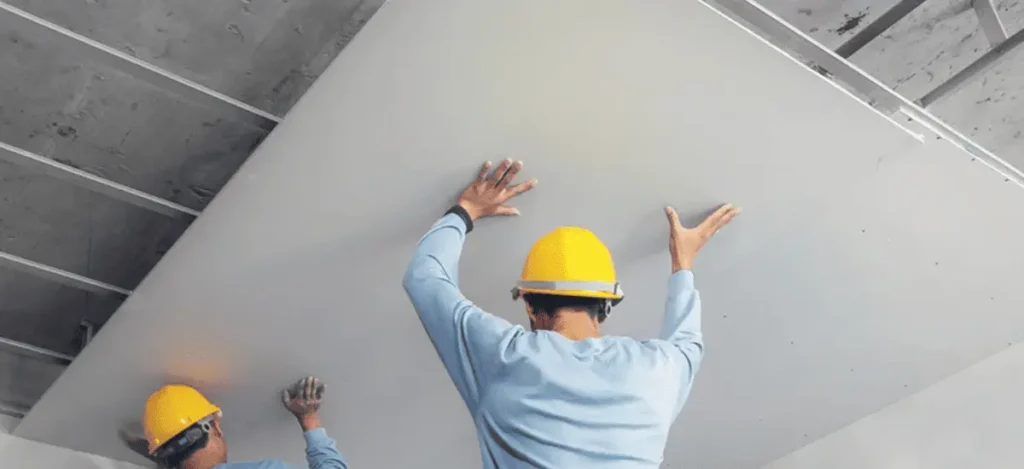
Step 4: Fixing Boards
Using screws, boards should be attached to the frame.
Step 5: Joint Treatment
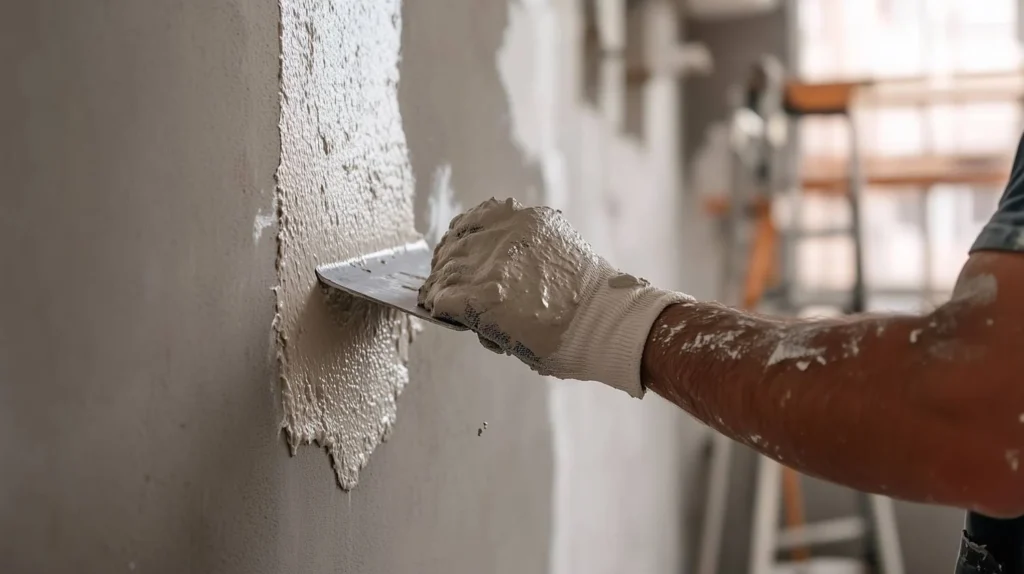
Joint tape and compound should be applied.
Step 6: Sanding
After drying, smooth the surface.
Step 7: Painting
Apply primer and paint for the final finish.

Fiberglass Gypsum Board

While standard fiberglass-mat sheathing panels (like DensGlass or Securock) are highly specific architectural panels, Shashwat Wallcare manufactures high-performance Gypsum Plasterboards for interior walls, partitions, and false ceilings that cover the same core protective functions.

Color-Coded Gypsum Board Types

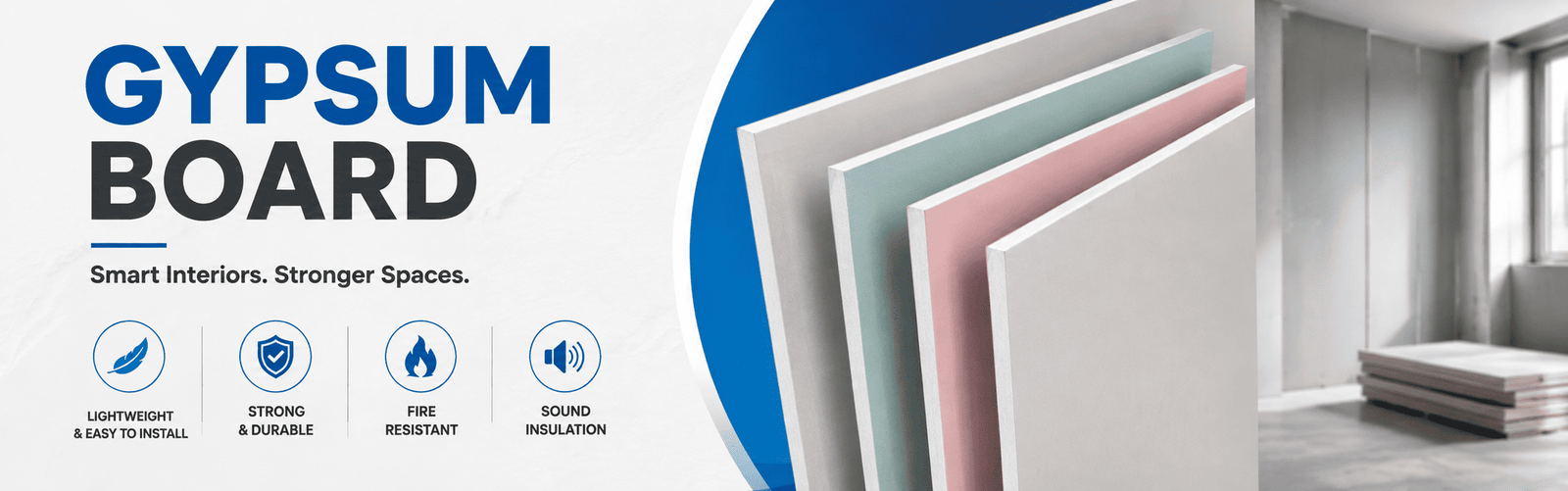
White (Standard) Gypsum board

White Gypsum Board by Shashwat Wallcare is a premium-quality drywall solution for interior walls, ceilings, and partition systems. Designed for versatility and ease of installation, it features a strong gypsum core with a smooth paper-faced finish that is ready for painting and decoration. Suitable for residential, commercial, educational, and healthcare projects, the board delivers excellent surface quality, durability, and cost efficiency. Its lightweight construction helps reduce installation time while ensuring reliable performance. Choose Shashwat White Standard Gypsum Board to create modern, attractive interiors with a smooth finish, long-lasting durability, and superior construction efficiency.

Green (Moisture-Resistant) Gypsum board

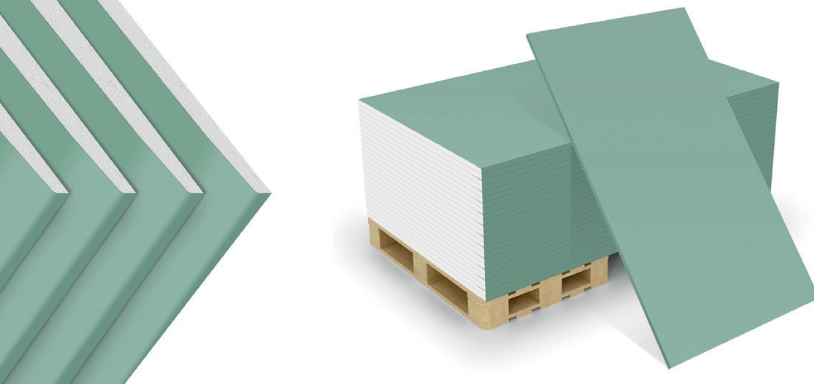
Green Gypsum Board by Shashwat Wallcare is a high-performance drywall solution designed for areas with elevated humidity and moisture exposure. Featuring a specially treated water-repellent gypsum core, it helps protect walls and ceilings from dampness, swelling, and surface damage. Ideal for bathrooms, kitchens, hotels, hospitals, and commercial interiors, the board offers exceptional durability while maintaining a smooth finish ready for painting and decoration. Its lightweight construction ensures easy installation and reliable performance in moisture-prone environments. Choose Shashwat Green Moisture-Resistant Gypsum Board for long-lasting interior protection, improved durability, and superior performance in humid conditions.

Red (Fire-Rated) Gypsum board

Red Gypsum Board by Shashwat Wallcare is engineered to deliver superior fire protection for modern construction projects. Featuring a specially reinforced gypsum core, it helps resist fire and high temperatures, making it suitable for fire-rated walls, partitions, and ceiling systems. Ideal for commercial buildings, hospitals, hotels, schools, and industrial facilities, the board combines safety with excellent finishing quality. Its lightweight design ensures easy handling and installation, while its smooth surface is ready for decoration and painting. Choose Shashwat Red Fire-Rated Gypsum Board to enhance occupant safety, meet fire compliance requirements, and achieve durable interior construction solutions.

Blue (Acoustic & High Impact) Gypsum board

Blue Gypsum Board by Shashwat Wallcare is a high-performance drywall solution designed for superior sound insulation, impact resistance, and fire safety. Manufactured with a dense gypsum core, it effectively reduces noise transmission while providing exceptional durability for commercial and residential interiors. Ideal for offices, hospitals, hotels, educational institutions, and home theatres, the board offers a smooth, paint-ready surface and easy installation. Its robust construction helps withstand daily wear and tear, making it perfect for high-traffic areas. Choose Shashwat Blue Gypsum Board for stronger walls, quieter spaces, and long-lasting interior performance.

Yellow / Cream (Exterior Soffit) Gypsum board

In the construction and architectural industry, a Yellow or Cream-colored Gypsum Board explicitly engineered for Exterior Soffits represents a highly specialized, heavy-duty building material.

While Shashwat Wallcare is a major supplier of standard interior, fire-resistant, and moisture-resistant (green) gypsum plasterboards, an exterior-grade yellow/cream soffit board has very distinct engineering specifications designed to survive outside the building envelope.

Standard Size of Gypsum Board

Thickness (inches) [1, 2, 3, 4, 5]Thickness (metric)Common Application
1/4inch6.4mmUsed for ceilings, curved walls, and remodeling over existing surfaces.
3/8inch9.5mmPrimarily used in double-layer applications or for repair and remodeling.
1/2inch12.7mmMost common standard for single-layer interior walls.
5/8inch15.9mmThe thickest commonly used board; highly recommended for fire resistance and soundproofing.

Recent Blogs

Frequently Asked Questions

What Is Gypsum Plasterboard?
This is a building material that consists of a flat panel made of gypsum, which is primarily used for walls and ceilings.
The answer is yes, it creates even and long-lasting ceilings.
The usual size is 4 feet by 8 feet and about 12 mm thick.
No, standard boards are not waterproof. There are boards that are moisture resistant.
Yes, painting is possible after the surface is properly prepared.
The answer is yes, but moisture-resistant boards should be used.
Gypsum plasterboard does absorb humidity but it is best to keep it relatively dry for the sake of longevity.

© 2026 SHASHWAT “Sada Ke Liye” | Disclaimer | Privacy Policy | Marketing by IGLOBALIZER