Wall Putty
Home / Products / Wall Putty
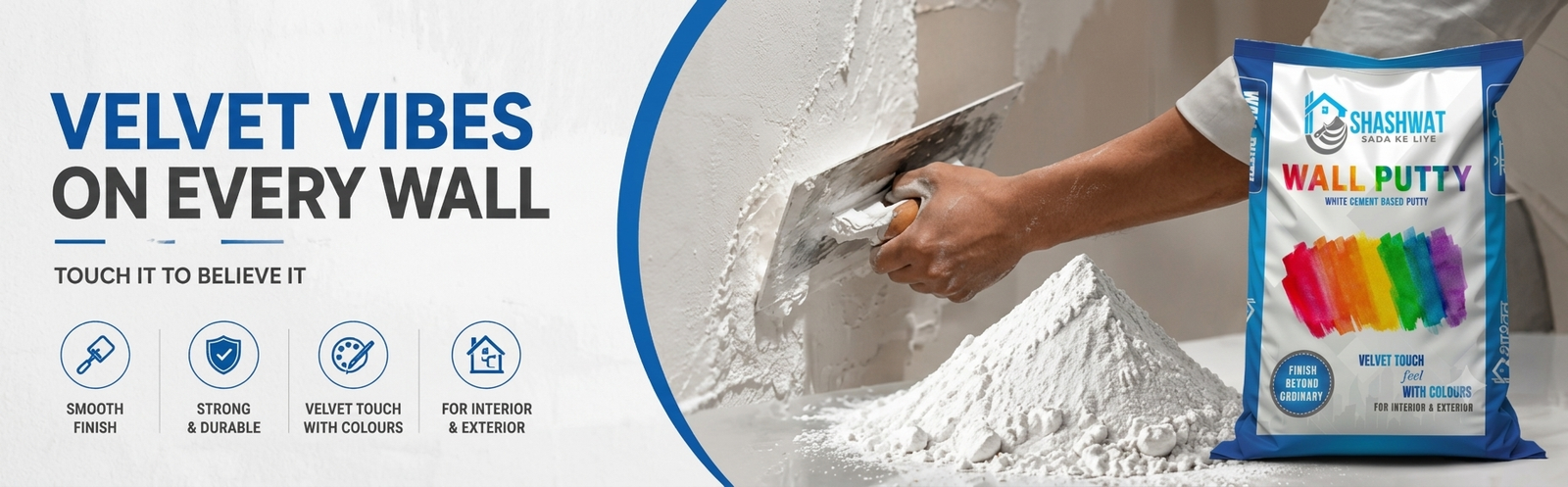
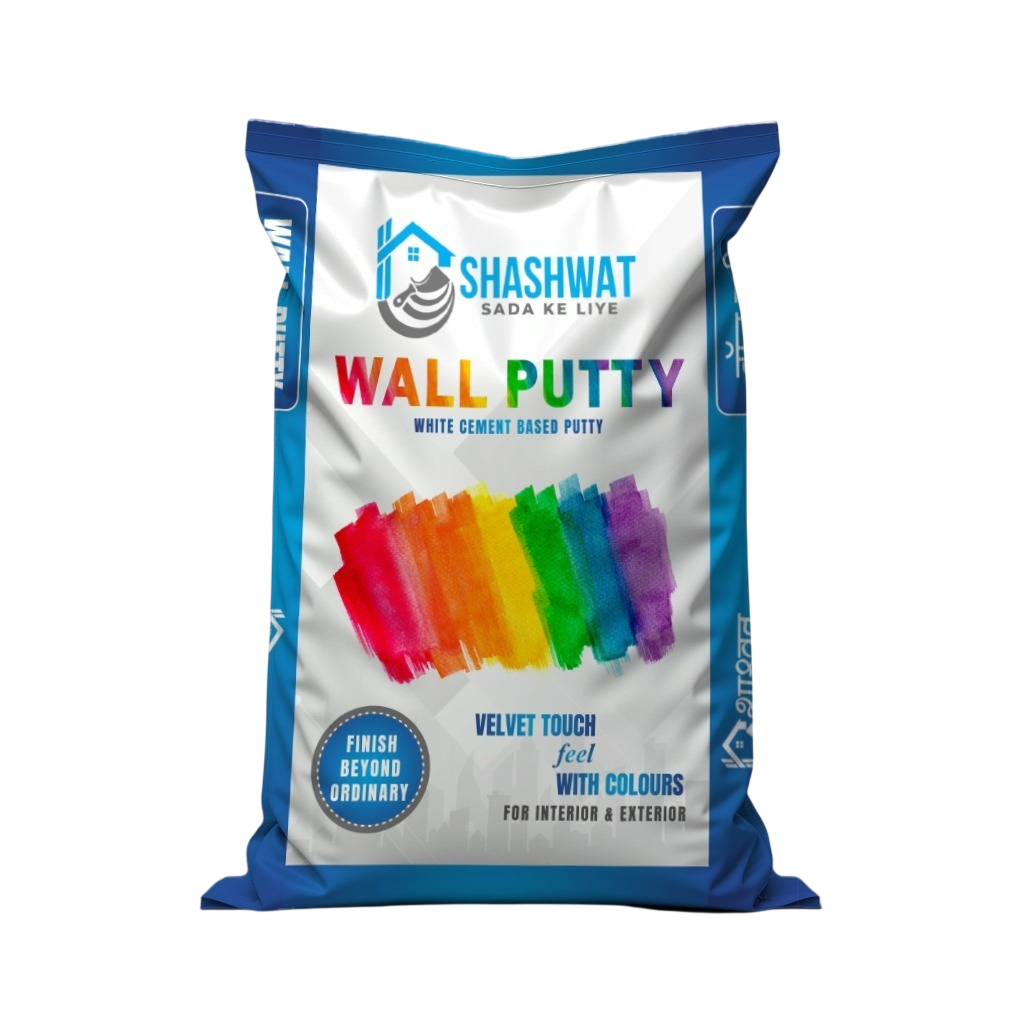
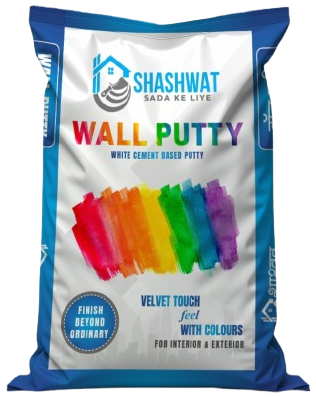
Shashwat Wallcare White Cement Wall Putty Bag

Shashwat Wallcare Wall Putty: The Secret Formula for Beautiful, Strong, and Shiny Walls

Building your dream home is a very big milestone for everyone. We spend hours choosing the perfect paint colors for our walls. But do we ever think about the base under that paint?

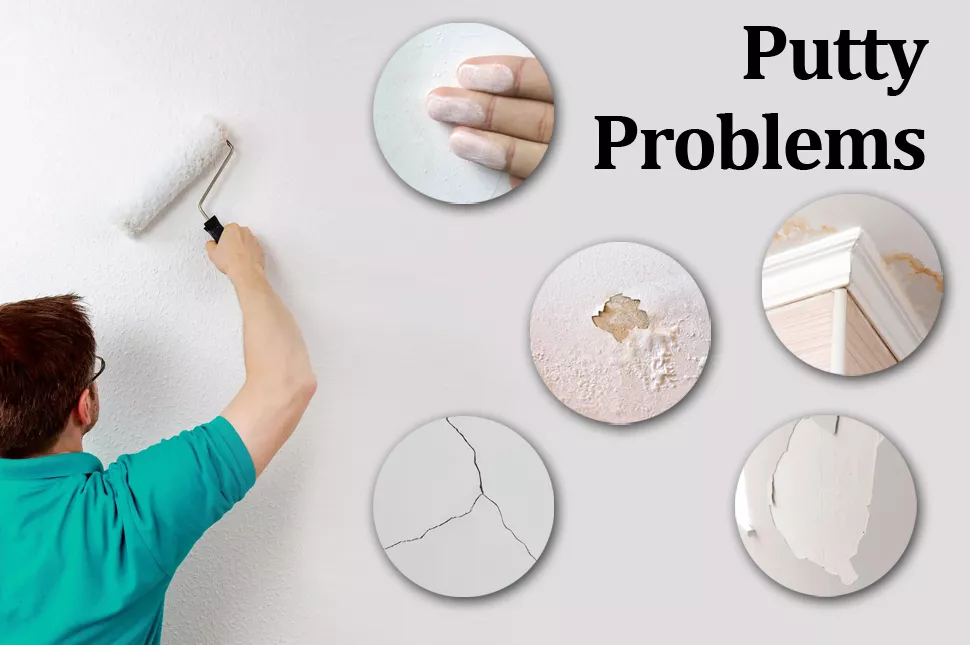
If the base of your walls is not correct, even the most expensive and premium paint will start peeling off in just a few months. This is exactly where high-quality wall putty (wall putty) comes in. A good wall putty gives your walls a smooth, silky finish and makes your paint last twice as long.
Let us understand how wall putty can transform your walls and why Shashwat Wallcare wall putty is the best wall putty (best wall putty) for your sweet home.

Key Features & Benefits

Extra-smooth
finish

Superior
Whiteness

Crack-Resistant
Formula

Moisture & Damp
Resistance

Prevents Paint
Peeling

Reduces Paint
Consumption

What is Wall Putty?

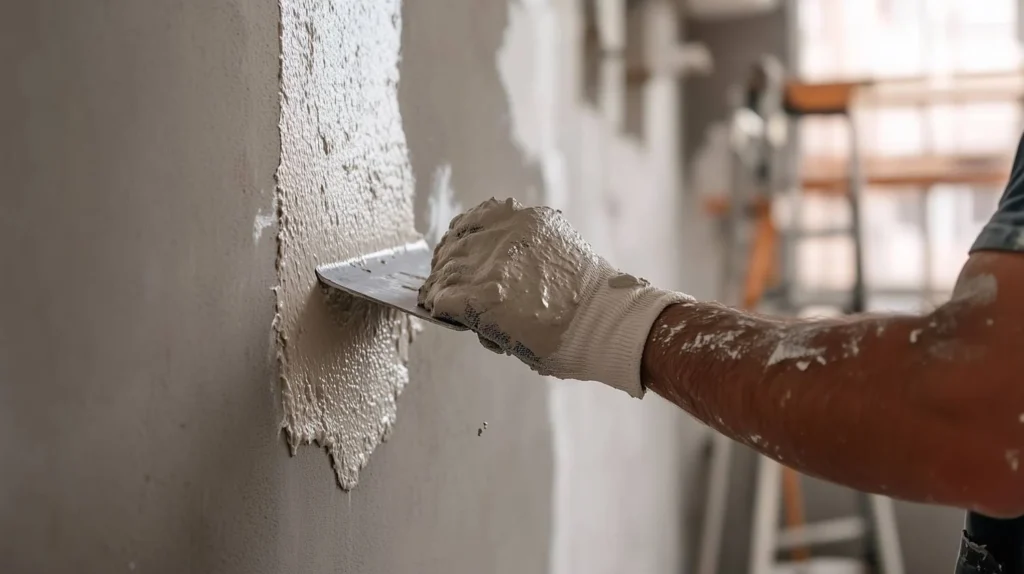
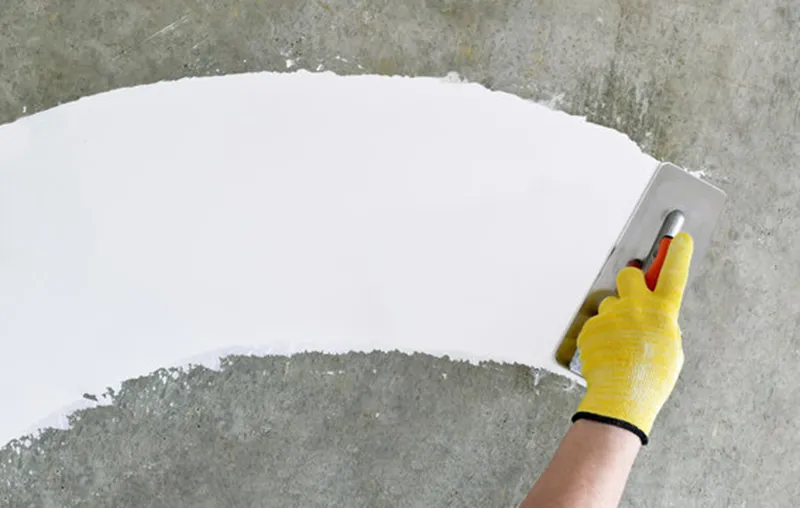
Wall putty (wall putty) is a fine white powder made from white cement, special polymers, and essential minerals. When you mix this wall putty powder (wall putty powder) with the right amount of clean water, it turns into a smooth, thick paste. You can easily apply this paste to your walls.

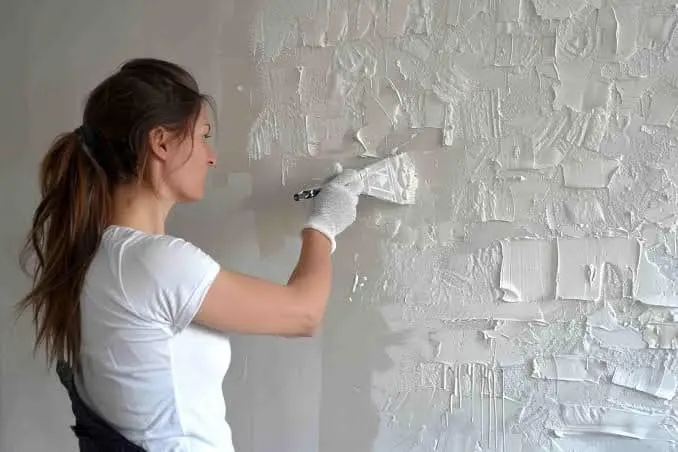
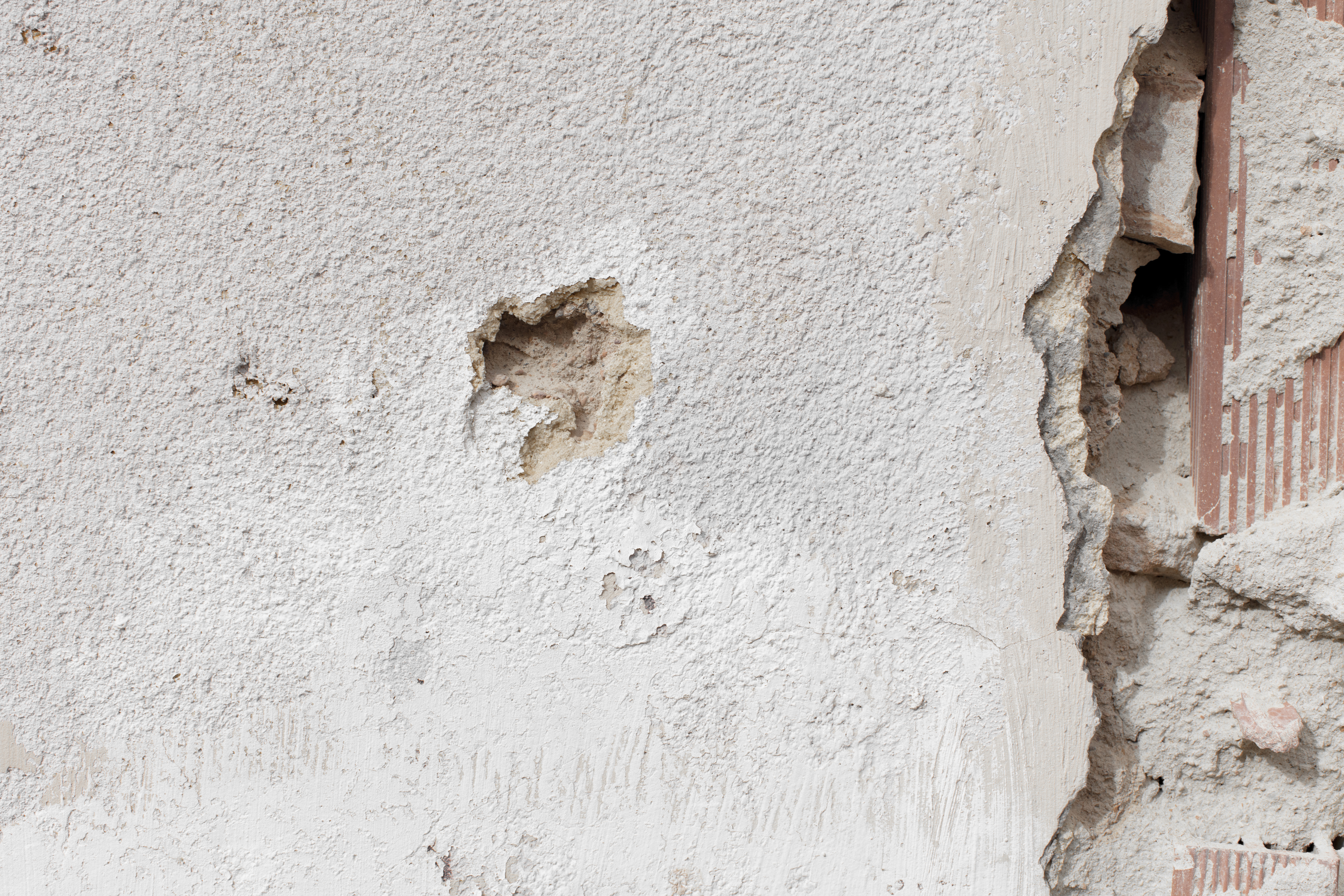
The main job of wall putty is to fill small holes (pores), hairline cracks (cracks), and uneven areas (undulations) on your plaster. When you apply it correctly, it creates an even and ultra-smooth base (smooth substrate). When you paint over this smooth base, the real shine and true colors of your paint stand out beautifully.

Because it protects and cares for your walls, people also call it wall care putty (wall care putty). It does not just make your walls look beautiful; it also gives them strength from the inside.
Shashwat Wallcare White Cement Wall Putty Bag

Key Uses of Wall Putty

Whether you are building a new house or repainting your old home, wall putty is highly useful in many ways:

  1. Surface Smoothing: Newly plastered cement walls are very rough. Applying wall putty work makes the walls as smooth as silk.
  2. Filling Cracks: It acts as an excellent wall crack putty or wall filler putty to seal small cracks and stop them from spreading.
  3. Better Paint Grip (Adhesion): Putty creates a strong bond between the wall and the paint. This helps the paint stick tightly so it does not peel off.
  4. Moisture Protection: Waterproof wall putty is very popular today. It blocks the small pores in the wall so light dampness or moisture cannot damage your paint.
  5. Exterior Wall Protection: To protect the outside plaster of your home from sun, dust, and rain, painters use a special exterior wall putty.
key uses of wall putty

Different Types of Wall Putty

You can find two main types of wall putty in the market. However, there are also some other modern options available depending on your wall’s needs:

This is the most popular and trusted putty in India. It is also called cement based wall putty (cement based wall putty) or white cement based wall putty (white cement based wall putty). It comes in dry powder bags.

  • Composition: It is made of premium white cement, polymers, and special dry additives.

  • Where to Use: You can use it on both inside (interior) and outside (exterior) walls.

  • Benefits: It has very strong bonding power, stops water absorption, and protects walls from dampness.

This putty comes as a pre-mixed wet paste in tubs or buckets. It is known as acrylic wall putty (acrylic wall putty) or wall putty paste (wall putty paste).

  • Composition: It is made of acrylic emulsion, premium pigments, and high-quality minerals.

  • Where to Use: You should use this putty only on inside walls (interior walls).

  • Benefits: It gives an incredibly smooth and silky finish. Since it is ready to use, it is also called readymade wall putty (readymade wall putty). You do not need to mix water in it.

If your walls have gypsum plaster instead of regular cement plaster, you should use gypsum wall putty
(gypsum wall putty). It levels the surface quickly and makes it ready for paint.

This is a new technology in the painting market. Liquid wall putty (liquid wall putty) is very easy to apply
and creates a thin, even layer over the wall without much effort.

Sometimes, contractors put putty over POP (Plaster of Paris) or mix them together, which people call
POP wall putty (pop wall putty). However, for long-lasting strength, you should always use pure white
cement-based putty.

Amazing Benefits of Using Wall Putty

If you think you can save money by applying paint directly to plastered walls, please look at these key benefits first:

Saves Big Money on Paint

Putty seals wall pores so surfaces absorb far less paint — reducing your paint consumption by about 30%.

Super Bright & Shiny Walls

Gives walls a brilliant, clean white base so paint colors look their absolute best.

No More Peeling Paint

Putty bonds paint tightly to the plaster — your walls will never flake or peel off.

Water & Damp Protection

Water resistant formula protects your walls from rain and moisture, keeping the structure safe.

Safe & Eco-Friendly

No harsh chemicals or bad smells — completely safe for your family and the environment.

Cement Wall Putty

  • Form & Base Fine white powder mixed with water. Made from white cement and polymers.
  • Area of Use Suitable for both interior and exterior walls.
  • Water Resistance Excellent waterproof performance.
  • Drying Time 6–8 hours.
  • Finish Quality Strong and smooth matte finish.
  • Durability Highly durable and crack resistant.
✓ Best for: Indoor & Outdoor Use

Acrylic Wall Putty

  • Form & Base Ready-to-use paste made from acrylic emulsion.
  • Area of Use Interior walls only.
  • Water Resistance Moderate resistance to moisture.
  • Drying Time 3–4 hours.
  • Finish Quality Smooth, silky, premium finish.
  • Durability Good durability for indoor applications.
✓ Best for: Premium Interior Walls

Wall Putty Colors and Shades

1

Putty Color Options

Mix light liquid toners into white putty to create soft pastel shades.

2

Color Chart

Use a wall putty color chart to choose the right shade for your room.

3

Color Combinations

Create attractive color combinations without expensive wallpapers.

Wall Putty Designs and Textures

1

Texture Finish

Create textured walls using rollers, stencils, or sponges.

2

3D Designs

Add raised patterns and shapes for a stylish appearance.

3

Putty Designs for Homes

Enhance bedrooms and TV walls with decorative putty designs.

4

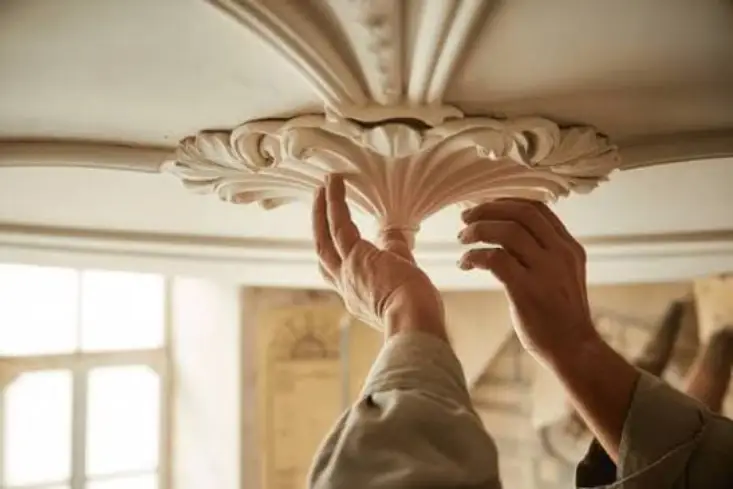
Ceiling Designs

Give ceilings a premium look with creative putty finishes.

5

Rustic Look

Create an earthy, stone-like texture for a vintage appearance.

Professional Guidelines for Application

To get a flawless, silky finish on your walls, please follow these 5 important guidelines recommended by painting experts:

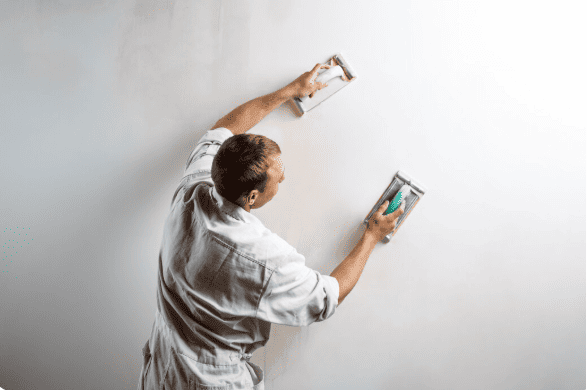
  • Rule: Before applying the first coat of putty, rub the plastered wall thoroughly with a good sandpaper (regmaal).

  • Purpose: This removes loose cement, sand particles, and dust. It helps the putty stick tightly to the wall.
  • Rule: When mixing powder putty, always follow the company’s instructions. Usually, you need to mix 35% to 40% clean water by weight.

  • Caution: Adding too much water makes the paste weak. When it dries, the putty might crack or peel off.
  • Rule: Never apply wall putty on a wet wall or a wall with active water leakage.

  • Solution: First, fix the source of the leakage (like broken pipes or roof cracks). Let the wall dry completely before applying putty.
  • Rule: Always apply two thin and even coats of putty. Each coat should be between 0.8 mm and 1.5 mm thick.

  • Risk: Putting a single thick layer traps air bubbles inside. This causes the putty to crack as it dries.
  • Rule: Use only clean, fresh, and sweet drinking water to mix your putty.

  • Risk: Using salty, dirty, or hard water breaks the chemical bond of the putty. This reduces its lifespan and can turn your white walls yellow.

Why Use Wall Putty?

Applying wall putty is not an extra expense; it is a long-term investment. Paint is the most expensive part of home renovation. If you do not use putty, the rough plaster will absorb too much paint. You will need to apply 3 to 4 coats of paint, and the walls will still look uneven.

By using wall putty:

  • Paint Savings: You use much less paint.

  • Uniform Finish: Your walls get a uniform look, meaning there are no shadows or dark spots when light hits the wall.

  • Higher Property Value: The market value of your home increases because your walls look premium and brand new.

How to Apply Wall Putty (Step-by-Step)

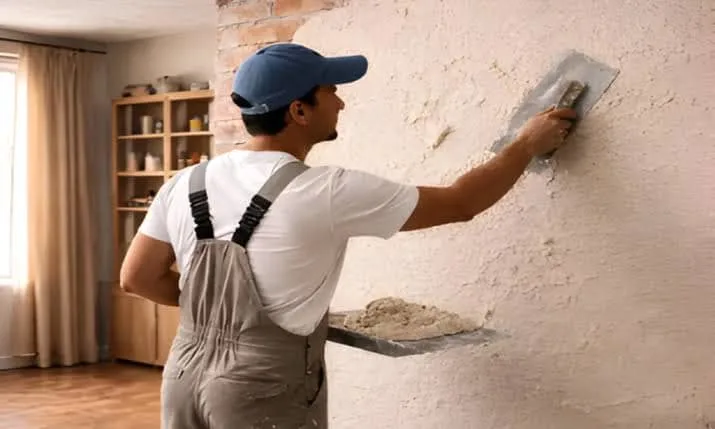
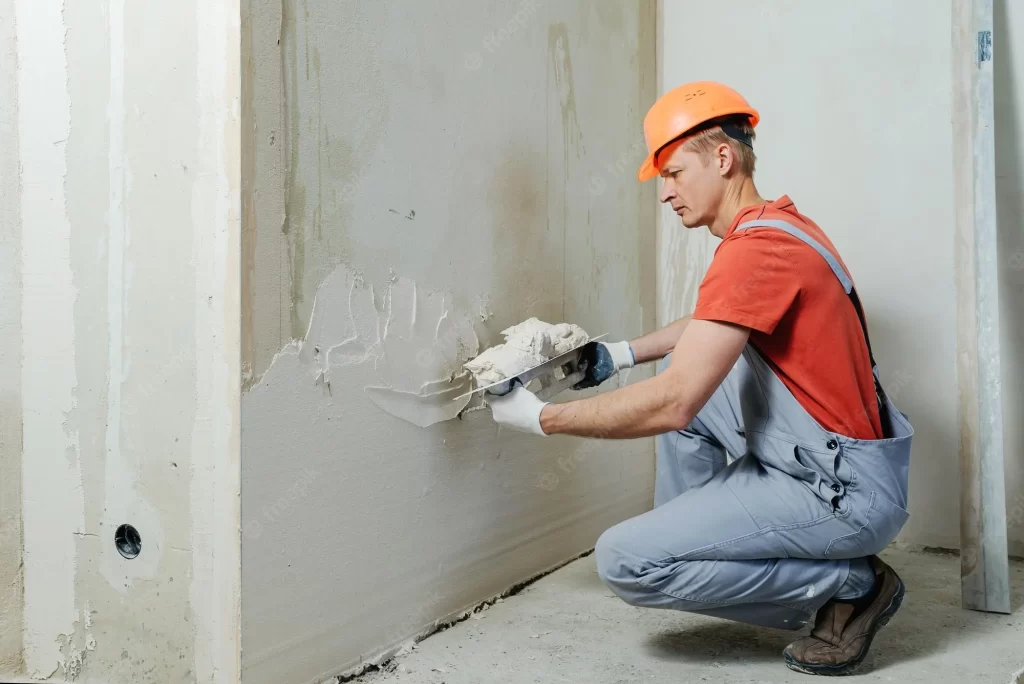
Applying putty is an art. Whether you are doing it yourself or hiring a painter, make sure to follow these simple steps:

1

Cleaning the Surface

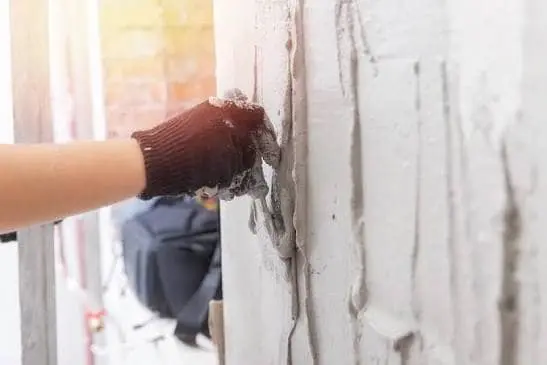
Use a wire brush or sandpaper to clean dust, dirt, loose plaster, and old paint from the wall. If there is grease or oil on the wall, wash it off and let it dry.

2

Wetting the Wall

Sprinkle some clean water on the wall before applying cement-based putty. This prevents the dry wall from absorbing water from the putty and creates a stronger bond.

3

Mixing the Putty

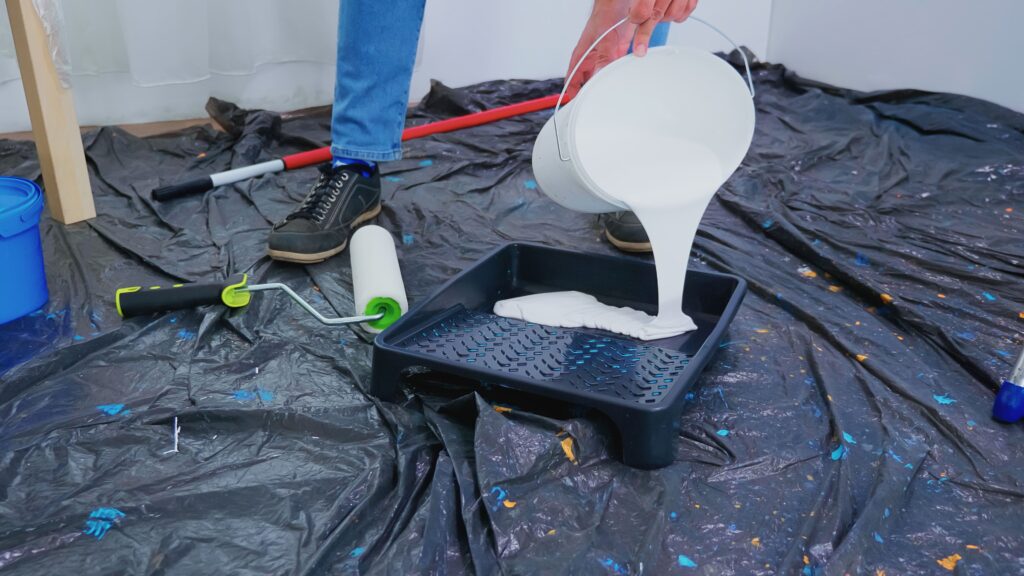
Take clean water in a plastic bucket and slowly add wall putty paste or powder. Mix thoroughly until smooth and lump-free. Let it rest for 5 minutes, mix again, and use within 2–3 hours.

4

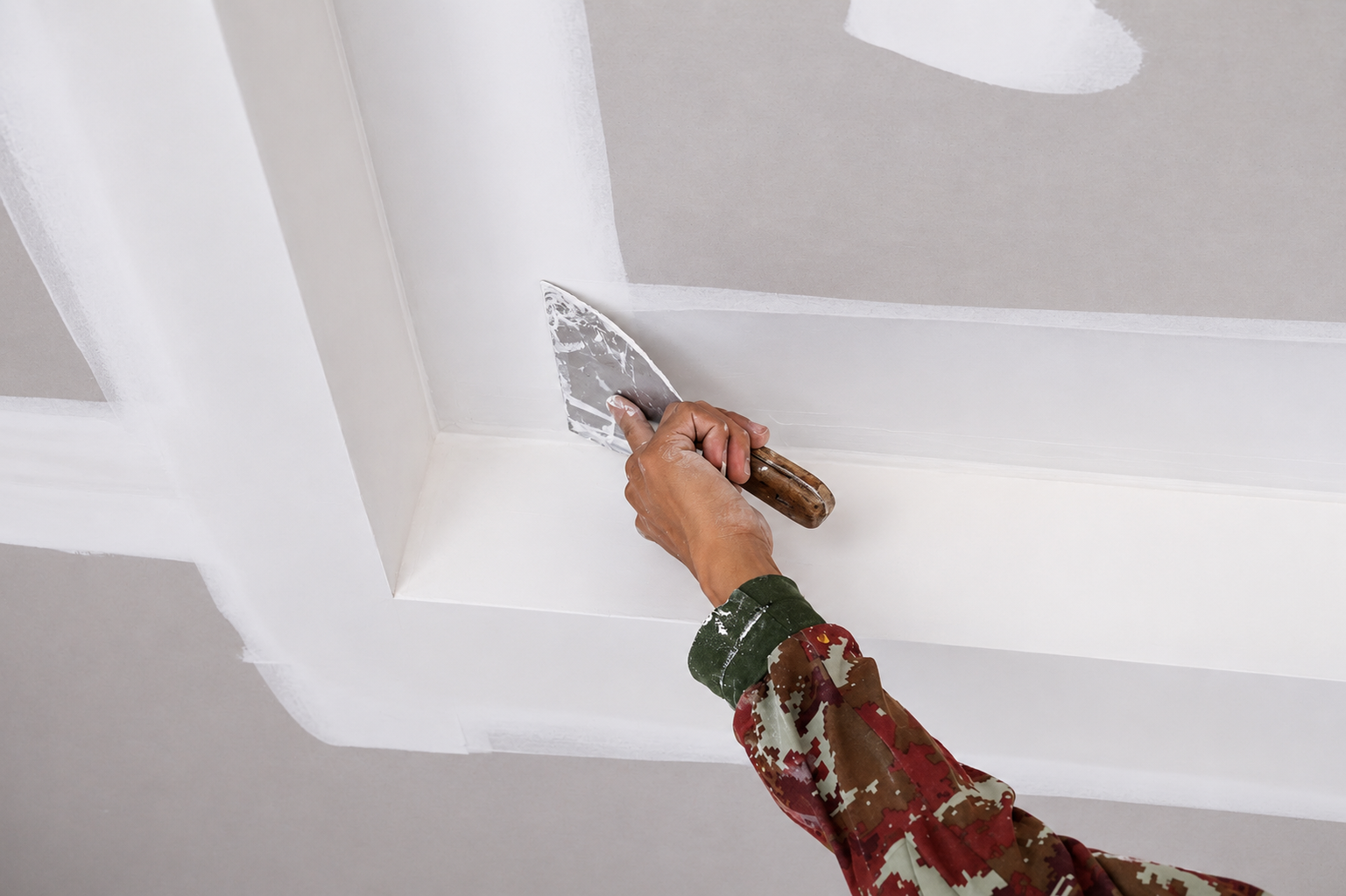
First Coat Application

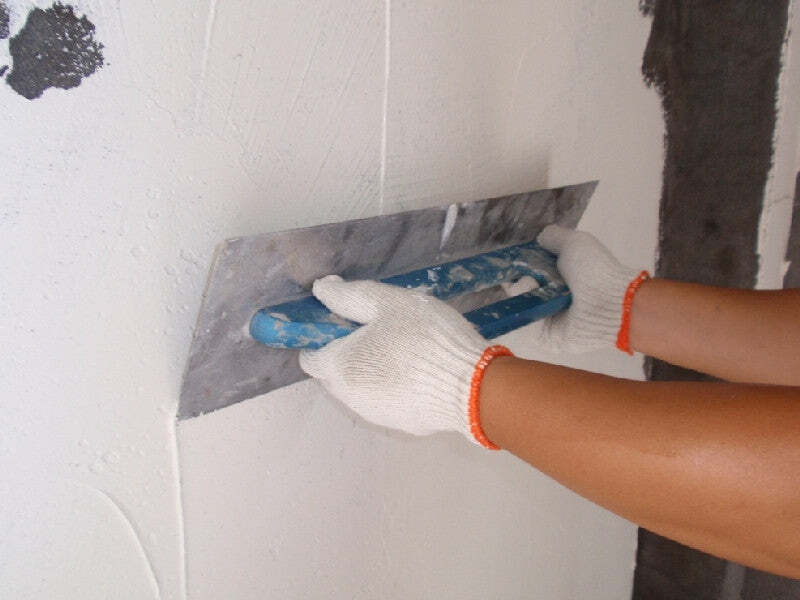
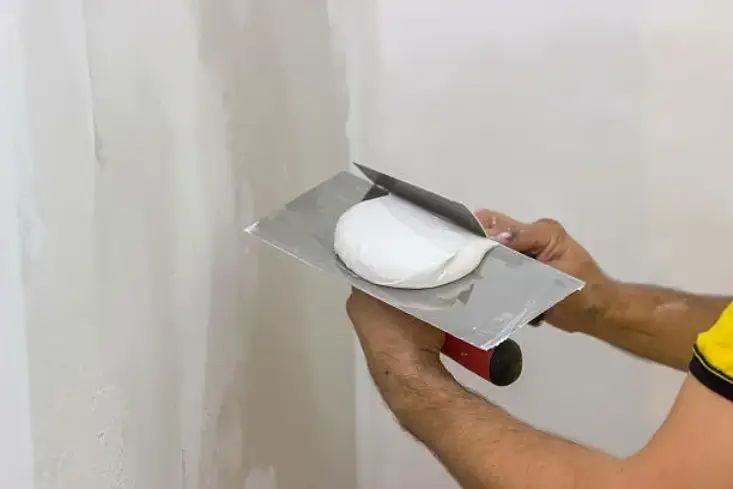
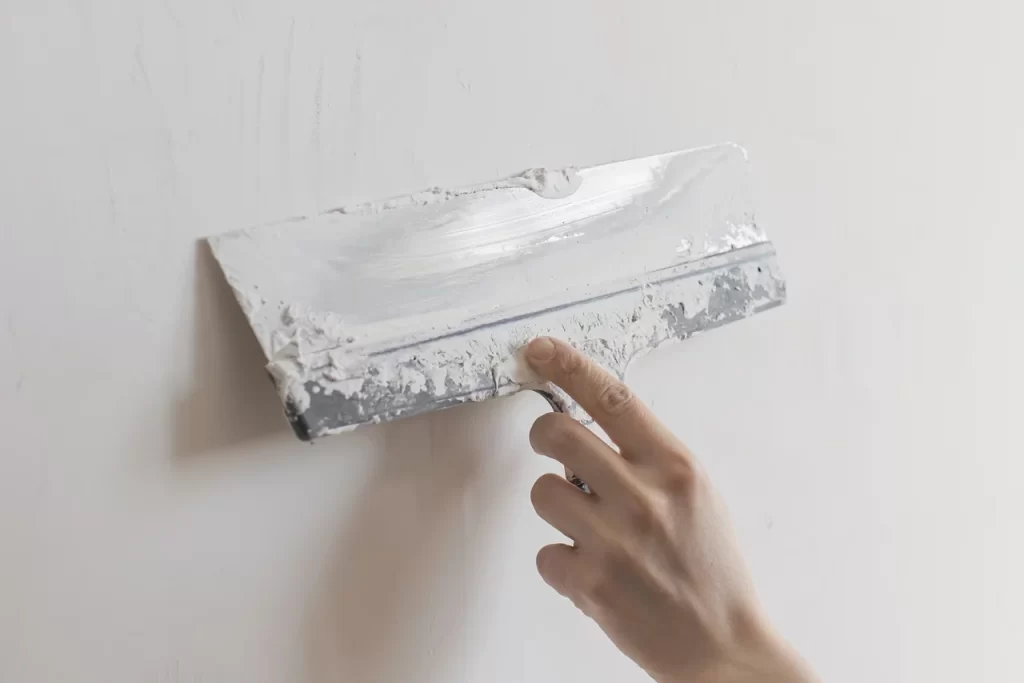
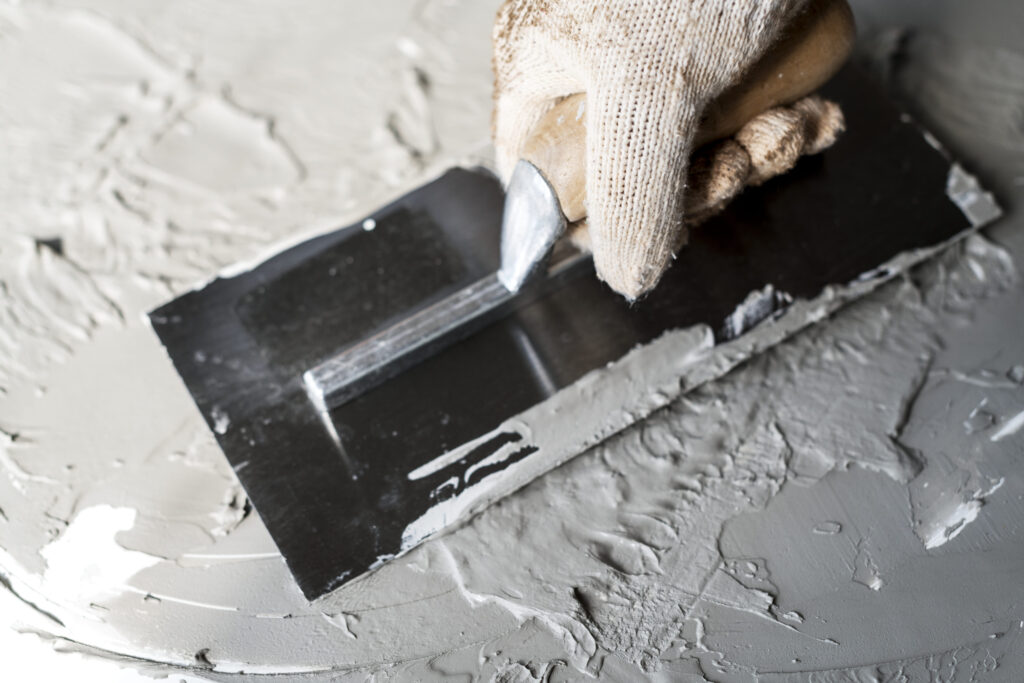
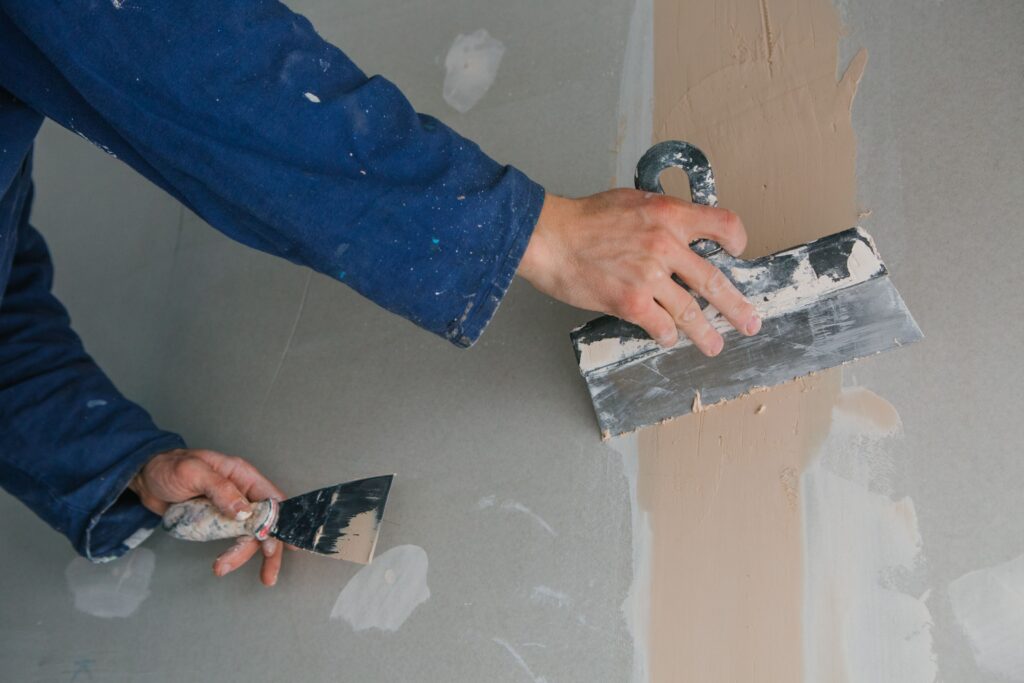
Apply the putty using a flat putty blade or trowel in an upward direction. Keep the coat thin (less than 1 mm) and allow it to dry for 4–6 hours.

5

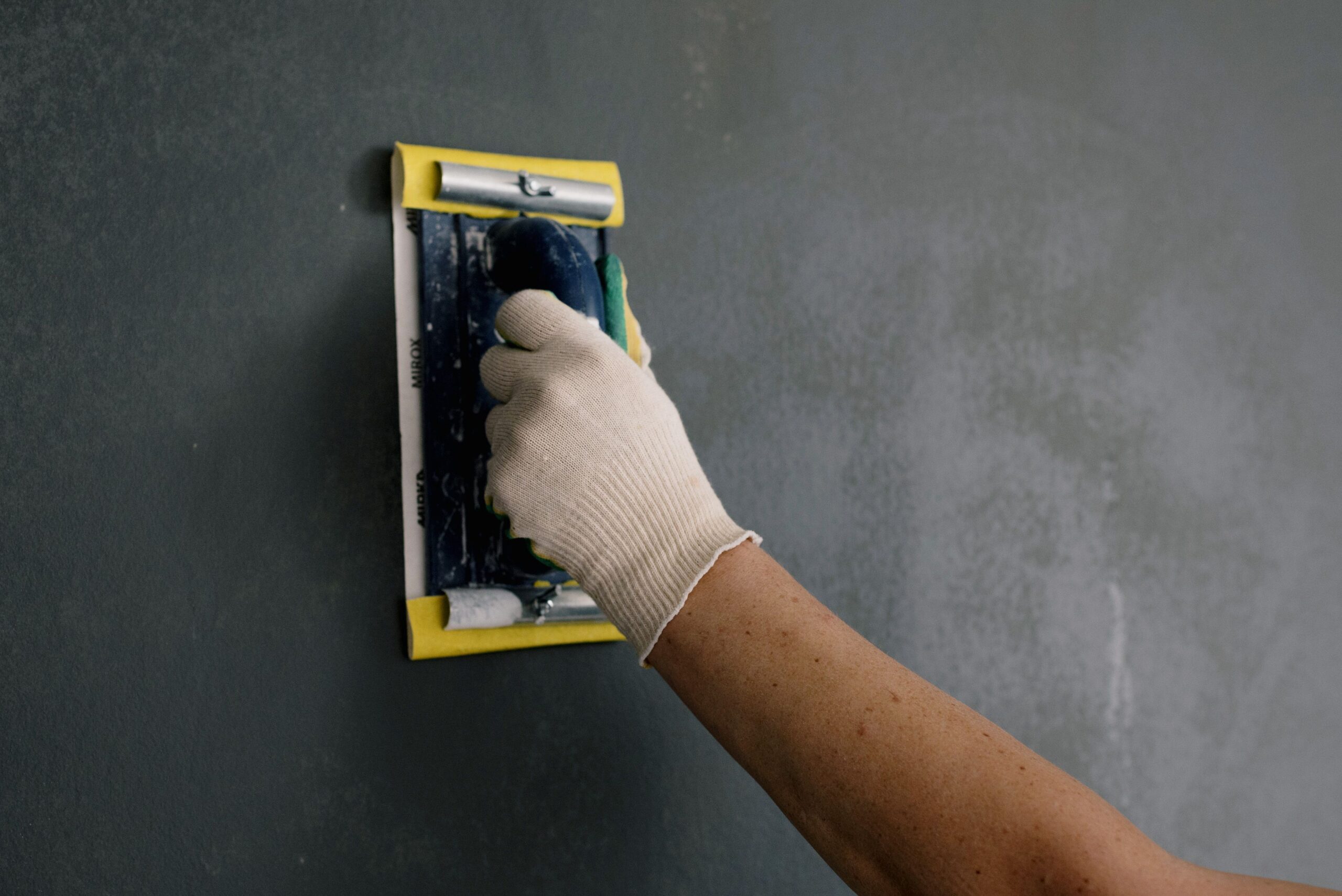
Sanding and Second Coat

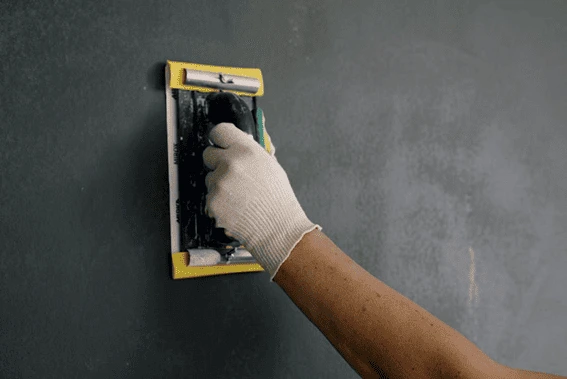
Sand the first coat gently using 180-grit sandpaper. Apply a second thin coat and let it dry for 12–15 hours. Sand again for a smooth finish. The wall is now ready for primer and paint.

Shashwat Wallcare White Cement Wall Putty Bag

Why Choose Shashwat Wallcare Wall Putty?

If you want the best results for your home, Shashwat Wallcare Wall Putty is the perfect choice.
  • Advanced Polymer Technology: We use high-quality imported polymers that give your walls excellent strength and a powerful grip.
  • 85-90% Whiteness: Our superior whiteness acts as a perfect canvas, making your premium paint colors look exactly like they do in the shade card.
  • Great Coverage Area: It covers 14 to 18 square feet per kilogram (for 2 coats). This is much higher than other brands, which reduces your overall wall putty cost.
  • Lab-Certified Quality: With a very low water absorption rate (0.7 ml/hr), it acts as a reliable water-resistant wall putty to protect your plaster.

Selecting the right wall putty is very important to keep your dream home’s walls spotless, attractive, and safe in every season. Shashwat Wallcare Wall Putty helps provide excellent smoothness, superior whiteness, and better moisture protection to your walls, which improves both the finish and durability of the paint.

If you are looking for reliable Wall Putty Manufacturers in India, then Shashwat Wallcare can be a trustworthy choice for you.

Today, learn about the premium wall putty products of Shashwat Wallcare and give your walls long-lasting strength, beauty, and an excellent finish.

Recent Blogs

People Also Ask

What is wall putty used for?

Wall putty is used to fill small cracks, pores, and uneven spots on plastered walls. It creates a smooth, flat, and white base so that your paint sticks well and lasts for many years.

  • Generally, a 40 kg bag of high-quality wall putty costs between ₹700 and ₹1100 in India. This wall putty bag price (wall putty bag price) can vary slightly depending on your location and the brand. Shashwat Wallcare offers premium quality at highly affordable rates.

If you want to do a small repair job at home, you can easily buy a 1 kg packet of putty powder in the market for ₹30 to ₹50.

For preparing walls before painting, wall putty is always much better than white cement. White cement does not have polymers, so it can crack easily and lacks a smooth finish. Putty is flexible, sticks better, and gives a paper-smooth surface.

Frequently Asked Questions (FAQ)

1. In India, which is the best wall putty?

Because of India’s changing weather (heavy rain, hot summers, and cold winters), you need a strong putty. Shashwat Wallcare is one of the leading wall putty manufacturers (wall putty manufacturers) in India. Our putty is made with advanced technology to resist cracks and protect against moisture.

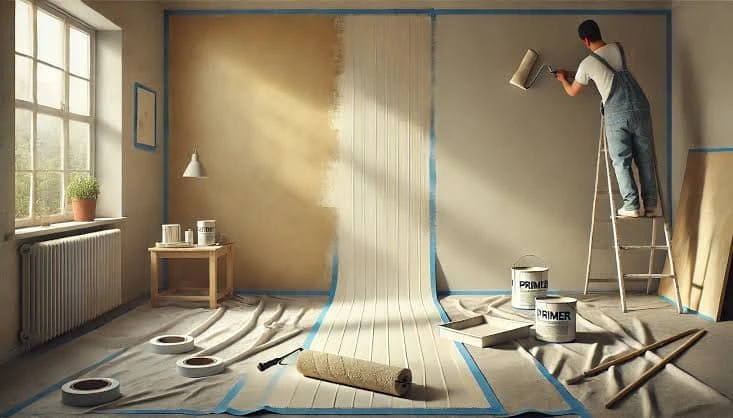
  • Yes, you should always apply one coat of primer after your wall putty is dry. The primer seals the putty surface, helps the paint stick better, and ensures the paint color stays bright for a long time.

For a perfect and professional finish, you should always apply 2 coats of wall putty. The total thickness of both coats should not be more than 1.5 mm.

Yes, you can apply putty on old painted walls. However, you must first scrape off any loose paint, dust, or peeling flakes using sandpaper or a wire brush so that the new putty can stick properly.

No, you should never apply putty directly on wet or leaking walls. First, repair the leakage source (like plumbing leaks or roof cracks), let the wall dry completely, and then use waterproof putty or dampproofing coatings.

After applying the second coat of putty, you should wait for at least 24 hours to let it dry and cure completely. Once dry, sand the wall and then start your priming and painting.

Yes, absolutely! Wall putty stops paint from coming into direct contact with rough plaster chemicals (alkalis). This keeps your paint bright and increases its lifespan by 2 to 3 years.

Under GST and tax laws, the HSN code for wall putty (wall putty hsn code) is 3214.

If you include both material and labor costs, the wall putty cost per square foot (wall putty cost per square foot) in India is usually between ₹6 and ₹12 per sq. ft. This can vary depending on your city and local labor charges.

© 2026 SHASHWAT “Sada Ke Liye” | Disclaimer | Privacy Policy | Marketing by IGLOBALIZER