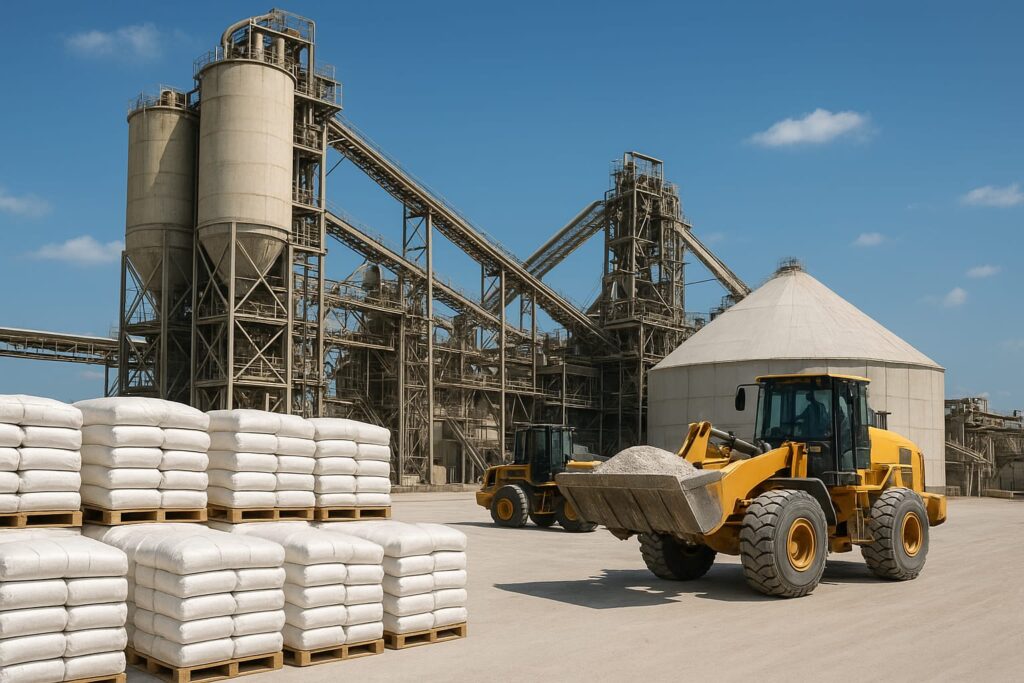
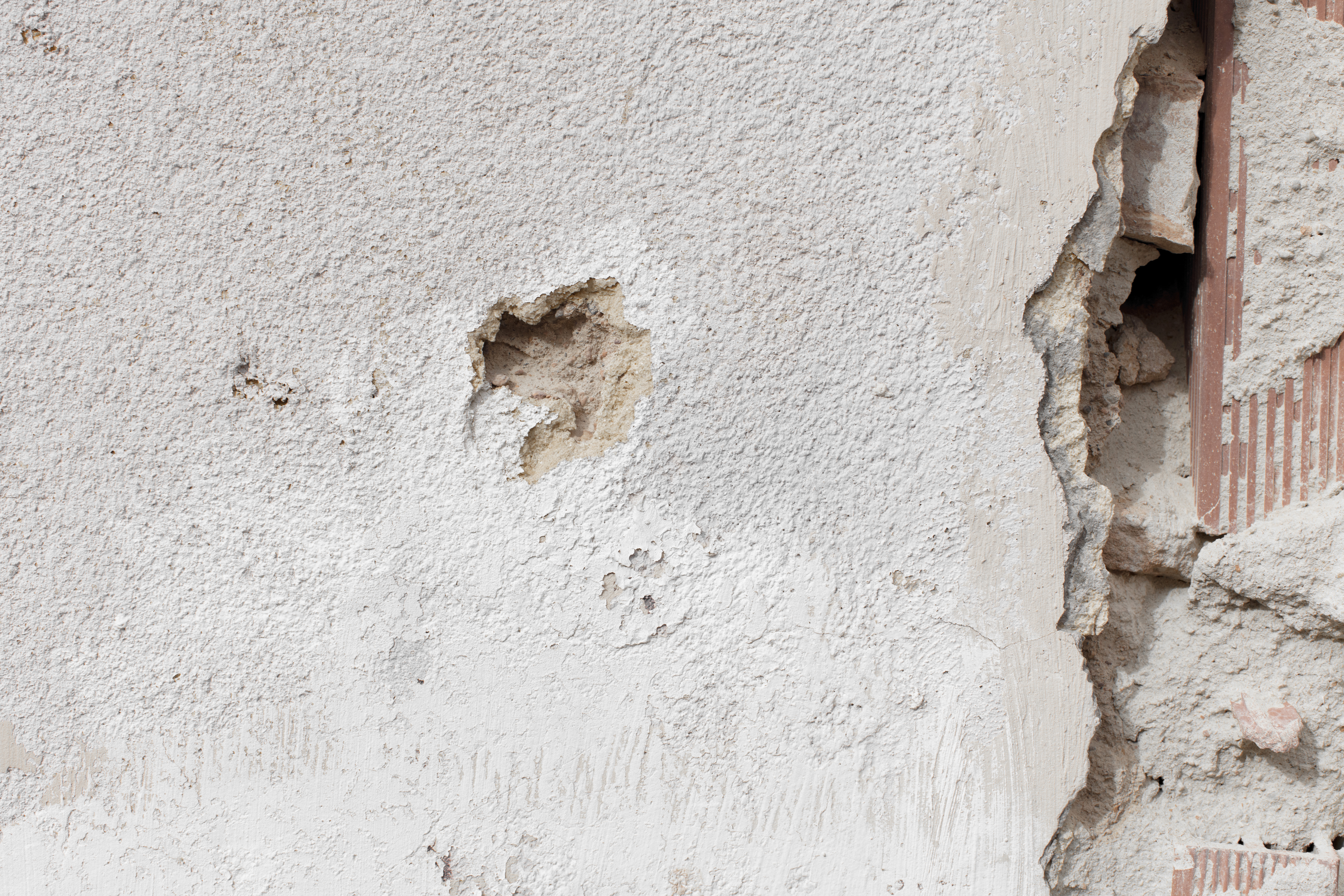
Among the best wall putty techniques is wall putty which can be used to form a super-smooth, uniformly covered surface that is ready for painting your walls. The application of the right wall putty makes the paint brighter, lasts longer, and also assists in concealing minor flaws. The premium wall putty has the potential to provide a surface that is resistant to cracks, moisture, and heat that will let your paint finish glow.
Nevertheless, the greatest wall putty will turn out to be a failure if not proper preparation, mixing and application are done. In this post, we will talk about the most common wall putty problems and defects, how mistakes can result in the issues like wall putty peeling or wall putty coming out, and give wall putty tips and solutions that you can use for your own walls.
One of the most significant wall putty tips is to prepare the wall surface before the application of wall putty. Poor or no preparation at all is the cause of most wall putty problems.- Skipping wall cleansing
Applying wall putty on a dusty, oily, or weak surface is one of the major mistakes made while using wall putty. Dust and loose particles prevent the putty from sticking properly to the wall. This usually results in cracks, peeling, or even the putty coming loose after it has dried. Always clean the wall surface meticulously using a brush or sandpaper to get rid of all loose material.
- Wrong water to putty mix
Incorrect mixing is one of the most common wall putty problems. Excess water makes the putty very thin and weak, while less water makes it lumpy and difficult to spread. Always follow the manufacturer’s instructions for the correct ratio and mix to a creamy, even consistency.
- Not treating old paint or finishes
Old paint or polished coatings can be too smooth or dusty sometimes. If the putty is applied directly, it will not bond properly, which may later cause wall putty defects. In such situations, roughen the surface or use a primer/sealer before applying putty.
- Ignoring humidity and temperature
Putty should not be applied during high humidity or extreme weather conditions such as heavy rain or direct sunshine. These conditions can either trap moisture or dry the putty too quickly leading to defects like cracking and peeling of wall putty.
Mistakes to avoid in wall putty application
- Applying too thick a coat
In an attempt to save time, a lot of homeowners apply wall putty too thick in one go. However, drying of thick layers becomes very difficult leading to cracks in the wall putty that can be later spotted as peeling or popping of putty off the wall surface. The better way out is to apply thin, even coats and let them dry completely in between each coat.
- Uneven application
Due to the uneven application of putty, some spots become thicker while others remain thin. This not only results in a patchy finish but also wall putty defects after paint application. The layer of putty should be kept even and smooth with the help of a straight edge or putty blade.
- Not letting layers dry properly
Moisture gets trapped within the wall putty when the second coat is applied before the first one has fully dried. This moisture is responsible for bubbles, peeling, cracking, and areas of wall putty loss after drying. Always respect the drying time recommended between coats.
- Applying putty on damp or wet surfaces
Applying to damp surfaces results in the failure of adhesion, moisture problems, and later on, peeling. Do not apply putty in rainy conditions or when the surfaces are still wet due to cleaning.
- Mixing over time
Prepare the wall putty only when you are ready to use it. Wall putty that has been prepared but left to stand for too long starts to dry up in the bucket and thus, loses its strength which in turn causes poor spreading and wall putty defects on the wall.
Wall putty finishing mistakes to avoid
Once the putty is applied on the wall, the quality of the finishing determines how the wall appears under paint. Even slight mistakes at this stage can impact the final outcome.
- Poor sanding
Sanding too hard or too early can cause damage to the smooth putty surface, making the base wall visible or creating scratches that will be noticeable after painting. To prevent this wall putty mistake, use fine-grit sandpaper and sand lightly in circular motions.
- Skipping primer
Even though quality putty provides a smooth base, primer is still advisable, more so when uneven or porous surfaces are involved. Skipping primer frequently results in weak paint adhesion and thus, early wall putty peeling.
- Ignoring weather conditions during finishing
Painting or sealing putty while it is still under the influence of humidity or heat results in blistering, cracking, or flaking, which are the main wall putty defects. It is advisable to wait for the right time and conditions for the finishing coats.
Wall putty key solutions
Having identified the wall putty issues and errors, it is time to consider wall putty tips and smart solutions that yield durable, professional results.
- Proper surface treatment
Surface cleaning is essential. Before the application, dust and loose material should be removed with a brush, sandpaper, or light washing. Proper cleaning facilitates the putty to bond at a deep level thus making issues like wall putty peeling or putty coming out less likely.
- Use high-quality putty
Good quality wall putty should be chosen, which is capable of minimizing cracks, being moisture resistant, and also strengthening the wall surfaces. By using quality putty a number of early wall putty defects can be avoided.
- Mix correctly and use fresh batches
Adhere to the correct water‑to‑putty ratio and mix until smooth. Improper mixing results in weak adhesion and surface flaws. Mixing and using fresh putty within a short time also prevents drying problems in the bucket.
- Apply in thin, even layers
With a straight trowel or putty knife spread putty in thin, uniform layers. This prevents the formation of thick patches that are more likely to crack or peel off later. Drying times recommended between layers should be respected.
- Sand and finish gently
Subsequent to the drying of the putty, sand lightly with fine-grit sandpaper and remove dust with a cloth before applying primer and paint. This does not allow wall putty defects to ruin your finish.
- Plan application conditions
Do not apply putty in conditions of high humidity, direct sunlight, or heavy rain. Perfect conditions will enable putty to cure and hence reduce such risks as wall putty peeling and cracking.
Tips for wall putty finishing:
- complete your wall putty work prior to painting—do not hurry to paint.
- Stay away from moisture in areas where putty has just been applied.
- Monitor and quickly fix little cracks with new putty before they start to grow.
- Keep the unused putty tightly sealed and in a dry place, so it doesn’t get hard and waste.
By using the correct wall putty ideas, avoiding common mistakes, and applying these wall putty tips, you will obtain a flawless, durable wall finish that will last for years. If you follow all the steps of preparation, application, and finishing with proper care, you can successfully eliminate the major wall putty issues such as cracks, peeling, or putty coming off. Hence, you would always get nice walls.