Home / Products / Gypsum Board
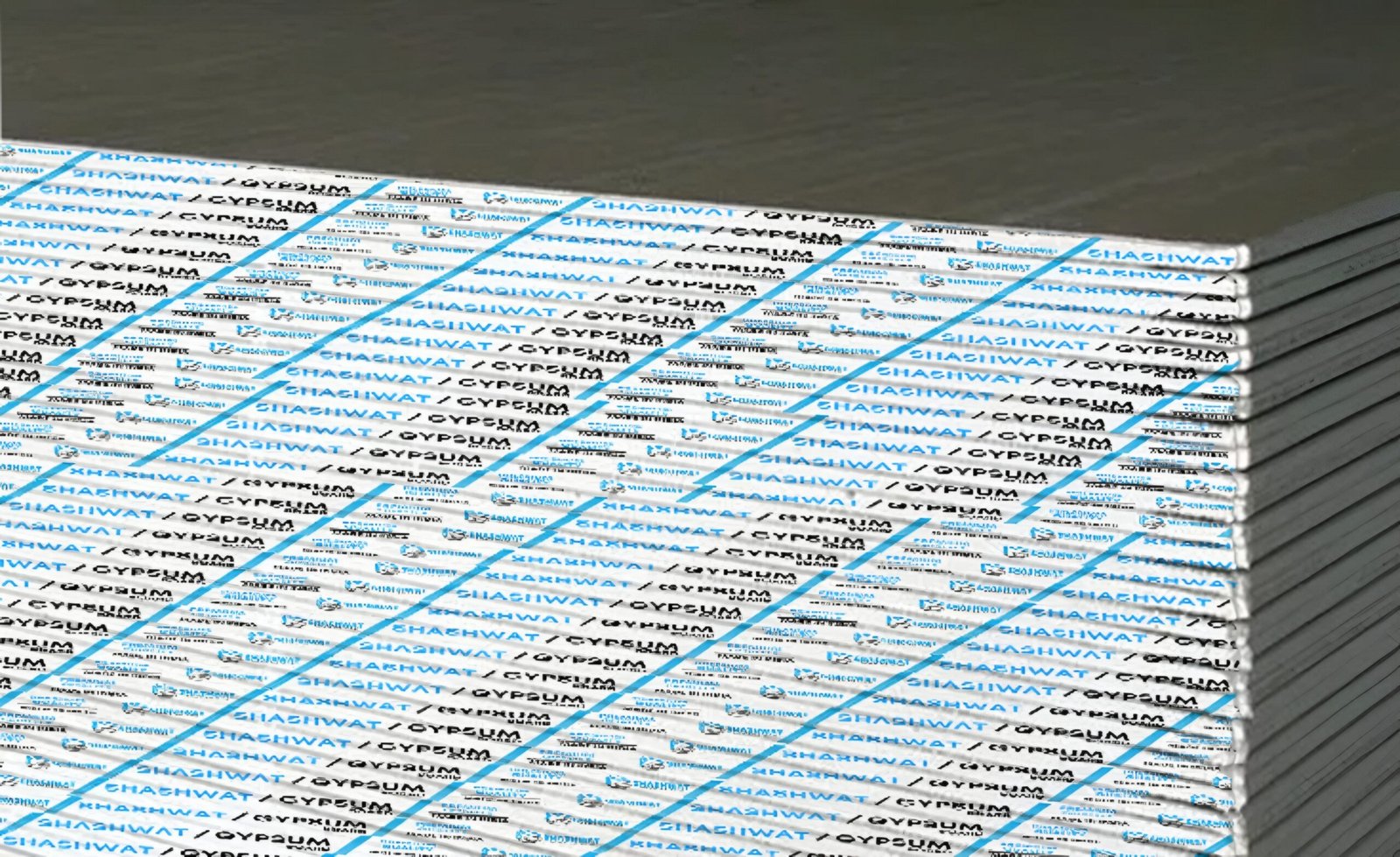
fire resistant gypsum board panel

Fire Resistant Gypsum Board

Shashwat Wallcare Gypsum Boards are high-performance, fire-resistant, lightweight boards used for interior gypsum ceiling board, gypsum partition board, and wall lining systems. Their smooth finish, stability, and easy installation make them the preferred choice for modern construction.

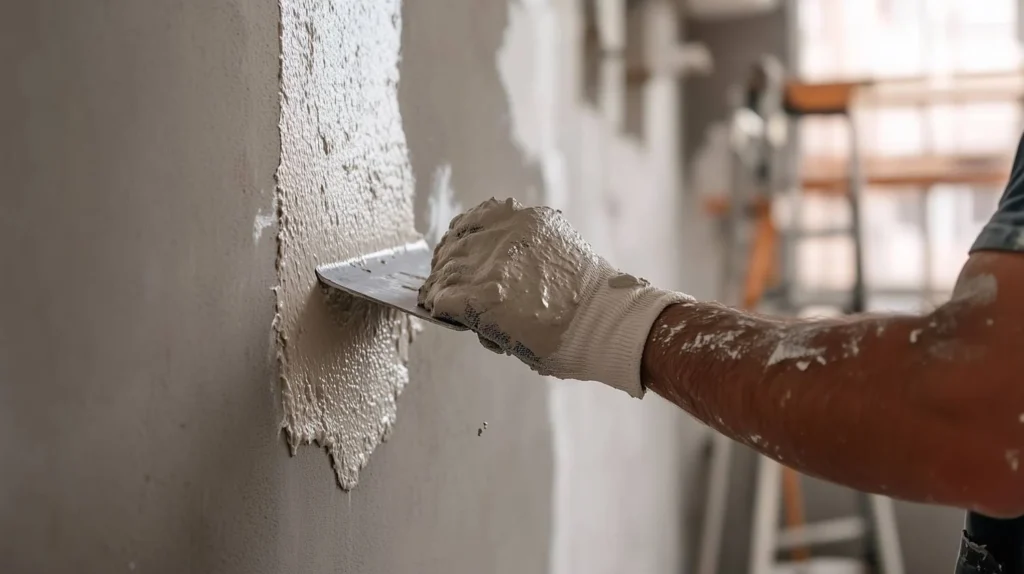
Gypsum Plasterboards is a high-quality, ready-to-use plastering material made from naturally occurring gypsum. It offers a smooth, durable, and superior finish for interior walls and ceilings. With excellent bonding strength and fast application, Gypsum Plasterboards has become the modern alternative to traditional cement-sand plaster board.

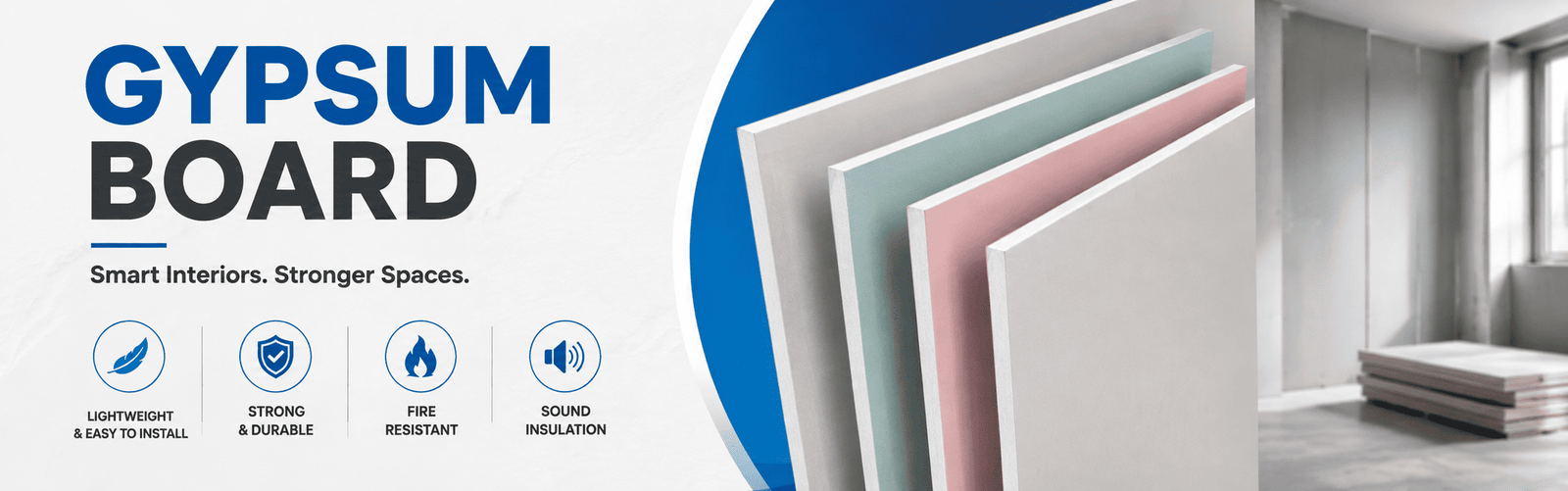
Key Features & Benefits

Lightweight & Easy
Installation

Fire-Resistant
Core

Sound & Thermal Insulation

Crack-Resistant &
Warp-Free

Smooth, Paint
Ready Surface

Eco-Friendly
Material

Why Choose Our Gypsum Board?

  • – Modern, lightweight construction
  • – Faster installation with clean results
  • – Durable, stable & long-lasting
  • – Ideal for residential and commercial interiors
  • – Provides superior acoustics and thermal comfort
  • – Allows precise finishing for premium interior aesthetics
  • – Easy to cut, shape, and install for customized designs
  • – Minimizes cracking and warping for a flawless appearance
  • – Compatible with all types of paints and decorative f- nishes
  • – Low maintenance and eco-friendly material choice
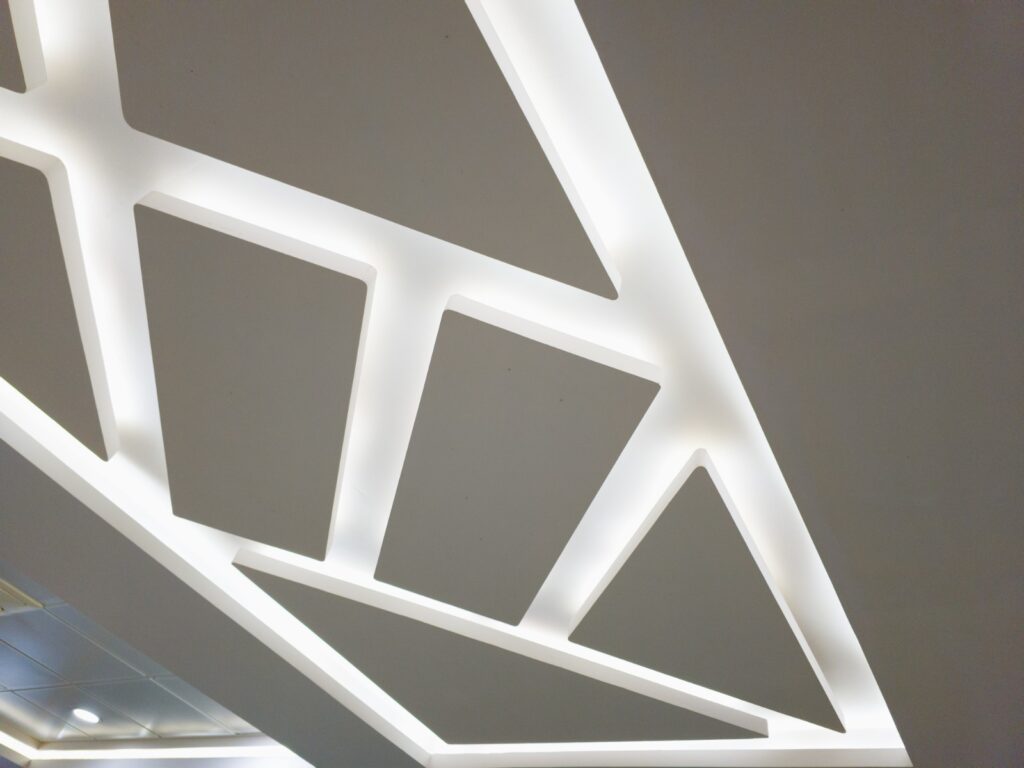
gypsum board for false ceiling installation

What is Gypsum Board

Gypsum Board is one of the most commonly used materials in the building industry today and it is used primarily for interior walls and ceilings. Its other name is gypsum plasterboard or drywall board manufacturer. The process to manufacture gypsum board involves compressing a natural mineral, called gypsum, into a flat core that is then coated on both sides with strong layers of paper. The moisture resistant gypsum board product is a board that is light, smooth, and strong, thus easy to be installed and handled too.

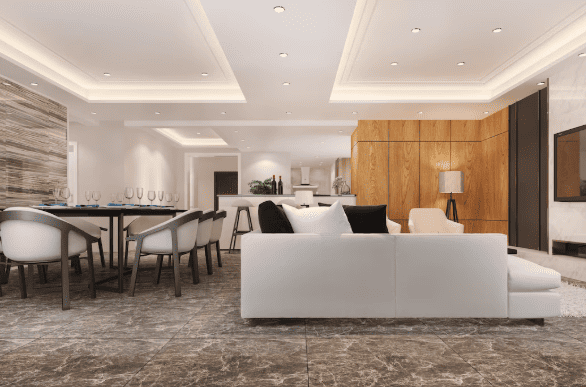
Since Gypsum Board is an indoor material, it has the quality to give a neat and clean finish. The surface after installation is smooth and can be painted, wallpapered, or decorated with other finishes. This gives a modern, neat, and well-finished appearance to the rooms. Gypsum board manufacturer find their places in houses, apartments, offices, schools, hospitals, hotels, malls, and commercial buildings.

One of the major factors that have made gypsum board a popular choice is its multifunctional nature. It is all the time; light, fireproof, soundproof, and installation easy. The construction process is fast, and the result is a comfortable, safe, and good-looking indoor environment.

What is a Gypsum Board?

Gypsum board is also called drywall or plasterboard. It is a ready-made sheet. People use it to make false ceilings and partition walls in homes and offices. When it comes to quality and trust, Shashwat Wallcare makes the lightest, strongest, and most durable gypsum boards for its customers. Their premium boards have such great quality and finish that smart homeowners choose them without a second thought.

What is Gypsum Board Made of

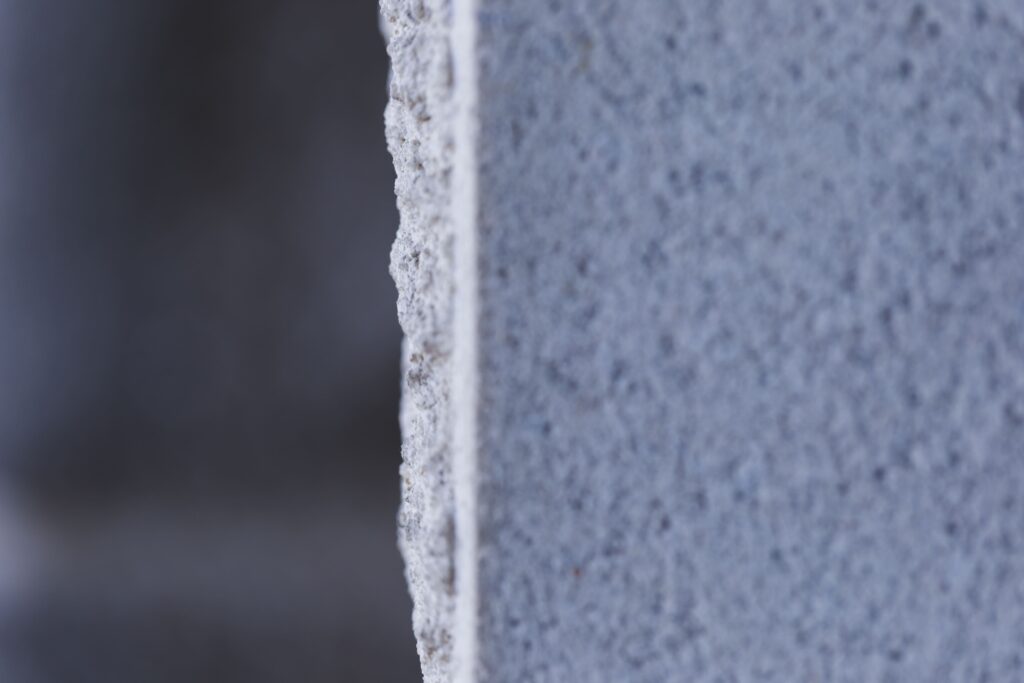
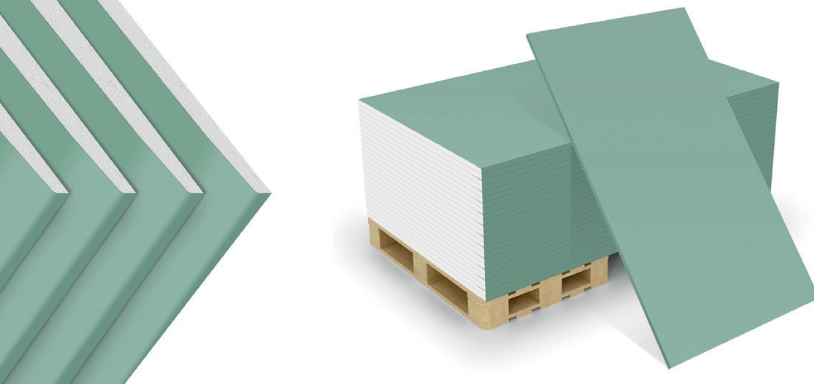
Gypsum board is mainly made of a natural mineral called gypsum. This mineral is found underground and is completely safe. During manufacturing, dry gypsum plaster is mixed with water. Then, this mix is pressed between two thick and strong layers of paper. This is why it is flat on the outside and very strong on the inside.

Applications and Uses of Gypsum Board

Modern construction uses gypsum board in many places. Here are the main uses:

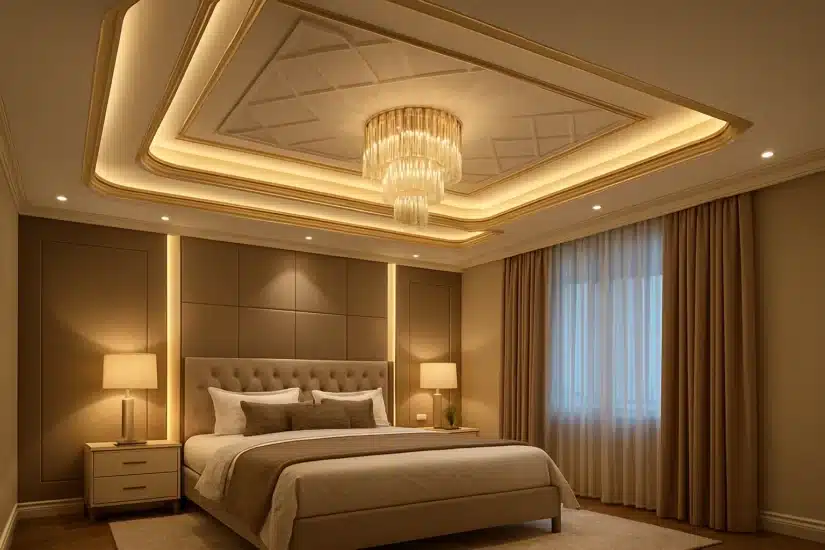
  • False Ceilings: It is widely used to give ceilings a beautiful and new design.
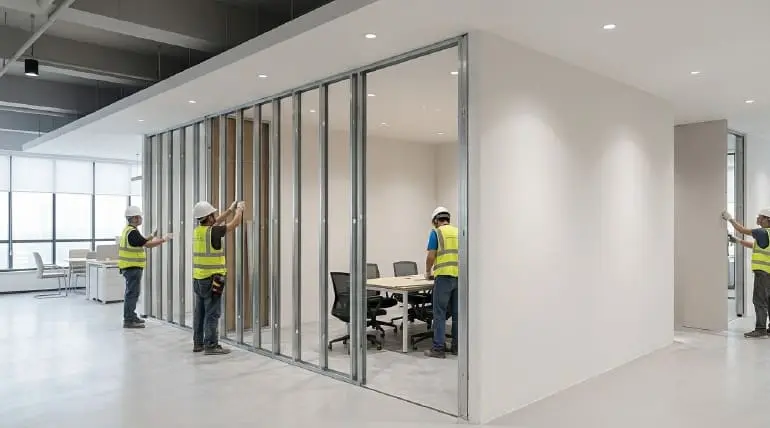
  • Temporary Walls: You can easily set up a partition wall to divide a large room into two parts.
  • Wall Paneling: It covers old or damaged brick walls to give them a clean and smooth look.
  • Decorative Shapes: It is easy to curve, so you can make beautiful arches and pillars.

Gypsum Board Types

Every room has different needs. That is why there are different types of boards:

  1. Standard White Board

This is the most common board. It is used for regular bedroom and living room walls and ceilings.

  1. Fire-Rated Board

For safety against fire, a fire resistant gypsum board is the best choice. It contains special glass fibers that keep the board from breaking during a fire.

  • In commercial buildings and hospitals, using a type x gypsum board is a must. This special board can stop fire from spreading for at least one hour.
  1. Moisture-Resistant Board

For wet areas, you should use a gypsum moisture resistant board. It has water-blocking chemicals in its core. You can easily use it in bathrooms and kitchens.

  1. Mold-Resistant Board

To stop mold from growing due to dampness, a gypsum board mold resistant sheet is the best option. Its special formula keeps mold away.

  1. Exterior Gypsum Board

For outdoor ceilings or balconies, people use an exterior gypsum board. This special board can easily handle sun, rain, and bad weather.

Benefits of Using Gypsum Boards

Why choose gypsum board instead of cement plaster? Here are the main benefits:

  • Saves time and water: It installs very quickly. Also, you do not need to spray water on it to cure it.
  • Fire and sound safety: It stops fire from spreading and blocks unwanted noise from entering your room.
  • Eco-friendly: It is made of natural materials, so it does not harm nature.

Gypsum Board Features

Gypsum board has some special features:

  • Lightweight: It is very light, making it easy to carry and install.
  • Smooth surface: The surface is perfectly flat. You can paint it or apply wallpaper directly without using wall putty.
  • Flexible: You can easily bend thin boards to create beautiful curved designs.

Gypsum Board Areas of Applications

Here are the most common places where people use gypsum board:

  • Homes and Apartments: In bedrooms, living rooms, kitchens, and bathrooms.
  • Offices: To make quick cabins and partition walls.
  • Theaters and Auditoriums: To block echo and control sound.
  • Hotels and Malls: To create stunning ceiling designs with modern lights.

How to Cut Gypsum Board? (How to Cut Gypsum Board)

Cutting gypsum board is very easy. You do not need any heavy machines. Just follow these simple steps:

  1. Measure: Mark a straight line on the board using a pencil and a scale.
  2. Score: Use a sharp utility knife to cut through the top paper layer along your line.
  3. Snap: Fold the board backward along the cut line and press gently. The gypsum core will snap instantly.
  4. Cut: Finally, cut the paper on the back side with your knife. Your board is cut clean and straight.

Frame and Installation Guide

Choosing the size: The most common size is a gypsum board 4 x 8 feet sheet.

Choosing the thickness:

 – For curves and arches, use a 1/4 inch gypsum board.

 – For ceiling repairs, a 3/8 gypsum board is lightweight and works best.

 – For regular walls, a gypsum board 1/2 inch is the strongest and most popular choice.

 – For office cabins and soundproofing, use a 5 8 gypsum board.

Using adhesive: To hold the board tightly, apply a gypsum board adhesive on the metal frame.

Expansion joints: To prevent cracks due to temperature changes, use a gypsum board expansion joint every 30 feet in long walls.

Finish levels: To get the best look, you can choose from different gypsum board finish levels (Level 0 to 5). Level 4 or 5 gives the smoothest finish for homes.

How to Apply Gypsum Board?

  • Installing gypsum board is a neat and step-by-step process. Here are the five main steps:

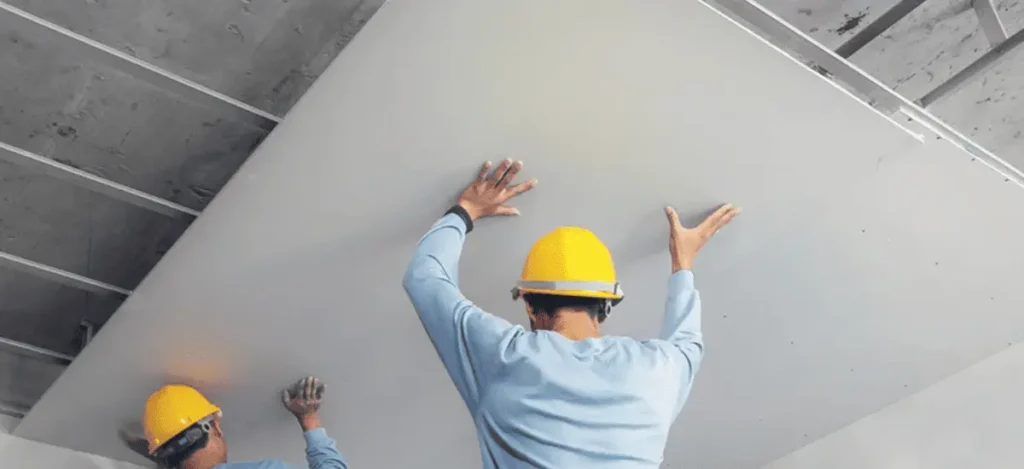
    1. Prepare the frame: First, fix lightweight metal channels (GI frames) on the walls or ceiling using screws.
    2. Measure and cut: Measure the space and cut the gypsum board to the right size with a utility knife.
    3. Screw the boards: Place the board on the metal frame. Fix it using special drywall screws. Keep the screws at a proper distance.
    4. Tape the joints: Place fiberglass mesh tape over the joints where two boards meet to hold them together.
    5. Apply compound: Apply joint compound over the tape. Once it dries, sand it smooth. Now, your wall is ready for paint.

How to Repair Gypsum Board?

  • If a heavy object hits the wall and makes a small hole, you can fix it easily:

    1. Clean: Remove any loose paper around the damaged area using a knife.
    2. Patch: Stick a self-adhesive mesh gypsum board patch over the hole.
    3. Compound: Apply a thin layer of joint compound over the patch and let it dry.
    4. Sand: Sand the dry area smooth with sandpaper and paint over it. Your wall will look brand new again.

Color-Coded Gypsum Board Types

  • To help workers at the construction site, companies use different colored papers on the boards. Let us understand them:

    • White Board (Standard): This is the main board for dry rooms. It is used on walls and ceilings in bedrooms and living rooms.
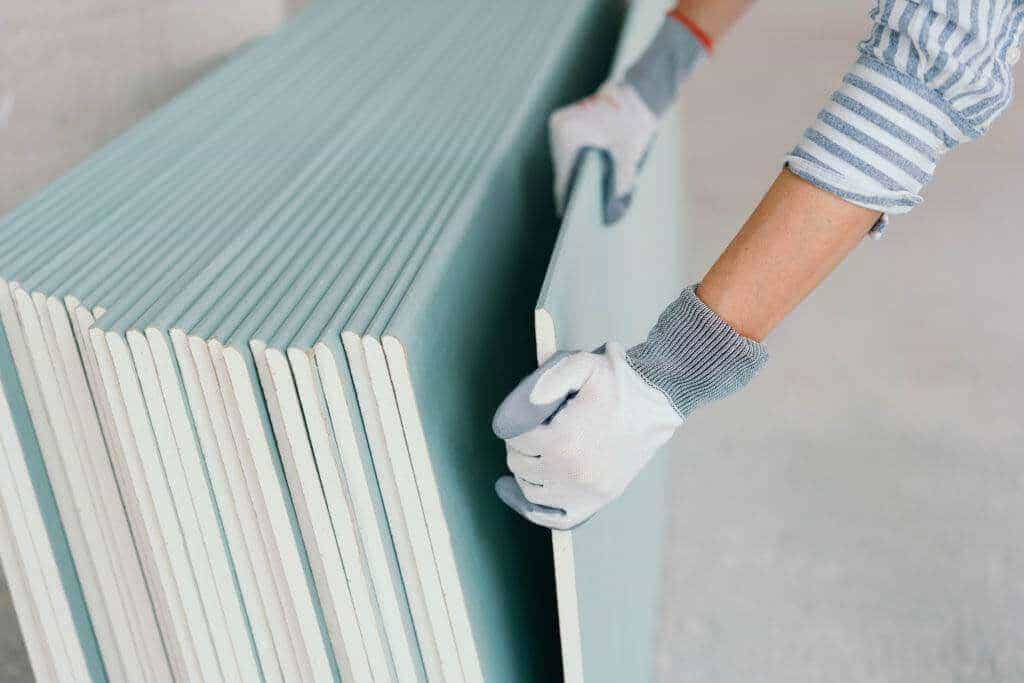
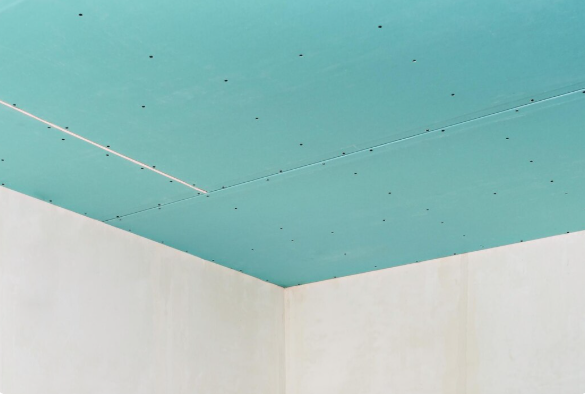
    • Green Board (Moisture-Resistant): The cover paper of this board is green. It is used in bathrooms and kitchens to stop moisture and mold.
    • Red Board (Fire-Rated): This board has a red cover paper. It is used in places that need high fire protection, like kitchens or commercial offices.
    • Blue Board (Acoustic): This board has a blue cover paper. It is used to block sound from traveling through walls.

Common Mistakes to Avoid When Using Gypsum Board

  • Avoid these small mistakes to keep your walls and ceilings strong for years:

    • Skipping expansion joints: Gypsum boards expand and shrink slightly with temperature. If you do not leave a gypsum board expansion joint in long walls, the boards might crack later.
    • Using the wrong screws: Normal nails or thin screws can make the board loose. Always use special drywall screws.
    • Using regular boards in wet areas: Never use standard white boards in bathrooms. Always use a gypsum moisture resistant board for damp areas.
    • Over-screwing: Do not sink the screws too deep into the paper. If the paper tears, the screw will lose its grip on the board.

Gypsum Board vs Other Materials

Here is how gypsum board compares to other traditional materials to help you make the right choice:

Gypsum Board vs POP

Both gypsum board and Plaster of Paris (POP) are used for ceilings, but they are very different:

  • Gypsum board comes in ready-made sheets, which makes the work clean, neat, and very fast.
  • POP must be mixed with water on-site, which takes days to dry and creates a lot of mess in your home.
  • Gypsum board gives you a perfectly flat surface right away.
  • POP allows for complex handmade designs, but it takes much more time and labor.

Gypsum Board vs Drywall

Gypsum board and drywall are made of the same materials, and there is no big difference between them:

  • Drywall is just another name for gypsum plasterboard, which is very popular in Western countries.
  • Using drywall means you do not have to wait for wet cement plaster to dry.

Gypsum Board vs Plywood

Both are used for cabins and false ceilings, but they have very different properties:

  • Plywood is made of wood, so termites and moisture can easily damage it. It is also quite expensive.
  • Gypsum board is completely termite-proof, fire-resistant, and much cheaper than plywood.

Gypsum Board vs Cement Board

The weight and usage of these two boards are very different:

  • Cement boards are very heavy and hard, mostly used for exterior walls.
  • Gypsum board is lightweight, easy to cut, and gives the best finish for indoor ceilings.

Gypsum Board vs POP False Ceiling

Both make your ceilings look beautiful, but their finish level is different:

  • Gypsum board ceilings are perfectly flat and smooth because they are machine-made.
  • POP ceilings depend entirely on the worker’s skill, so the surface can sometimes look uneven.

Gypsum Board vs PVC Board

There is a big difference between plastic and natural minerals:

  • PVC boards are made of plastic. If a fire breaks out, they melt easily and release toxic smoke.
  • Gypsum boards are made of natural minerals, making them safe and highly fire-resistant.

Gypsum Board vs PVC Ceiling

Their look and paint choices are very different:

  • PVC ceilings look like plastic, and you cannot paint over them easily.
  • On a gypsum ceiling, you can apply any premium paint or texture to give your home a luxury look.

Gypsum Board vs Calcium Silicate Board 

Based on cost and usage, these two boards differ in these ways:

  • Calcium silicate boards are highly water-resistant but are very expensive and hard to install.
  • Gypsum board is budget-friendly, easy to cut, and perfect for regular home needs.

Today, there is no better choice for a beautiful, strong, and safe home than a gypsum board. It saves your time, water, and money.

People Also Ask

  1. What is gypsum board used for?

Gypsum board is mainly used to make beautiful false ceilings and lightweight partition walls in homes and offices. It also covers rough concrete walls to give them a perfectly flat and smooth look.

  1. Which is better, PVC or gypsum?

Gypsum is much better than PVC in terms of beauty, finish, and safety. You can paint or apply wallpaper on gypsum boards. Also, gypsum is fire-safe, whereas PVC is plastic and can melt during a fire.

  1. Is gypsum board waterproof?

Standard gypsum boards are not waterproof. However, for wet areas, you can use a specially designed gypsum moisture resistant board which contains water-blocking silicone in its core.

  1. What are the disadvantages of gypsum board?

Some common disadvantages are: Standard boards can get damaged by heavy water leaks or continuous dampness. Also, they are not as hard as concrete, so you cannot hang very heavy items directly on them. However, if a board gets a dent, you can fix it easily with a gypsum board patch.

  1. What is the price of gypsum board per sheet?

The price of a gypsum board sheet depends on its size, thickness, and type. Standard boards are very affordable. Since they save the double cost of cement plaster and putty, they are highly budget-friendly. Shashwat Wallcare offers premium sheets at great prices.

  1. What is the price of 12mm gypsum board?

A 12mm board is the most common thickness for ceilings and walls. The price varies by location and brand. Shashwat Wallcare’s gypsum board 1/2 inch (around 12.7mm) gives great strength at a very reasonable price.

  1. What is the price of a 4×8 gypsum board?

A 4×8 feet sheet is the most popular size. The price of a gypsum board 4 x 8 sheet depends on whether you buy a standard board or a gypsum moisture resistant board. This size is perfect for quick wall coverage.

  1. What is the price of 50kg gypsum powder today?

The price of a 50kg bag of gypsum powder depends on market demand and the brand. In board manufacturing, only high-purity gypsum is used to give the sheets excellent strength and durability.

  1. What is Type X gypsum board?

A type x gypsum board is a special fire-resistant sheet. Its core has non-combustible glass fibers that help it withstand fire much longer than standard boards, meeting strict safety codes.

Recent Blogs

Frequently Asked Questions

What is gypsum board?

Gypsum board (also called drywall) is a ready-made sheet made by pressing a wet gypsum core between two thick layers of recycled paper. It is used to finish interiors quickly.

Yes, gypsum board is the best choice for ceilings. It gives a perfectly flat surface, makes it easy to install modern LED lights, and helps keep your rooms cooler by blocking heat.

The most common standard size is a gypsum board 4 x 8 feet sheet. You can also get different thicknesses like a 1/4 inch gypsum board, a 3/8 gypsum board, or a 5 8 gypsum board based on your project needs.

No, regular gypsum boards are not waterproof. But for bathrooms and kitchens, you should use a gypsum moisture resistant board which resists dampness and humidity.

Yes, you can. The surface of a gypsum board is already very smooth and flat. You can apply a primer and paint or hang wallpaper directly on it.

Yes, you can use it in bathrooms. However, you must always use a moisture-resistant green board like a gypsum moisture resistant board and a mold-safe sheet like a gypsum board mold resistant board instead of standard white ones.

After drying, the average free moisture level in a gypsum board is less than 0.5%. However, about 21% of water molecules are chemically bound inside the board. When there is a fire, this water turns into steam, which escapes and helps block the fire from spreading.

© 2026 SHASHWAT “Sada Ke Liye” | Disclaimer | Privacy Policy | Marketing by IGLOBALIZER