Beta-Hemihydrate Gypsum Plaster
Home / Products / Beta-Hemihydrate Gypsum Plaster

Beta-Hemihydrate Gypsum Plaster

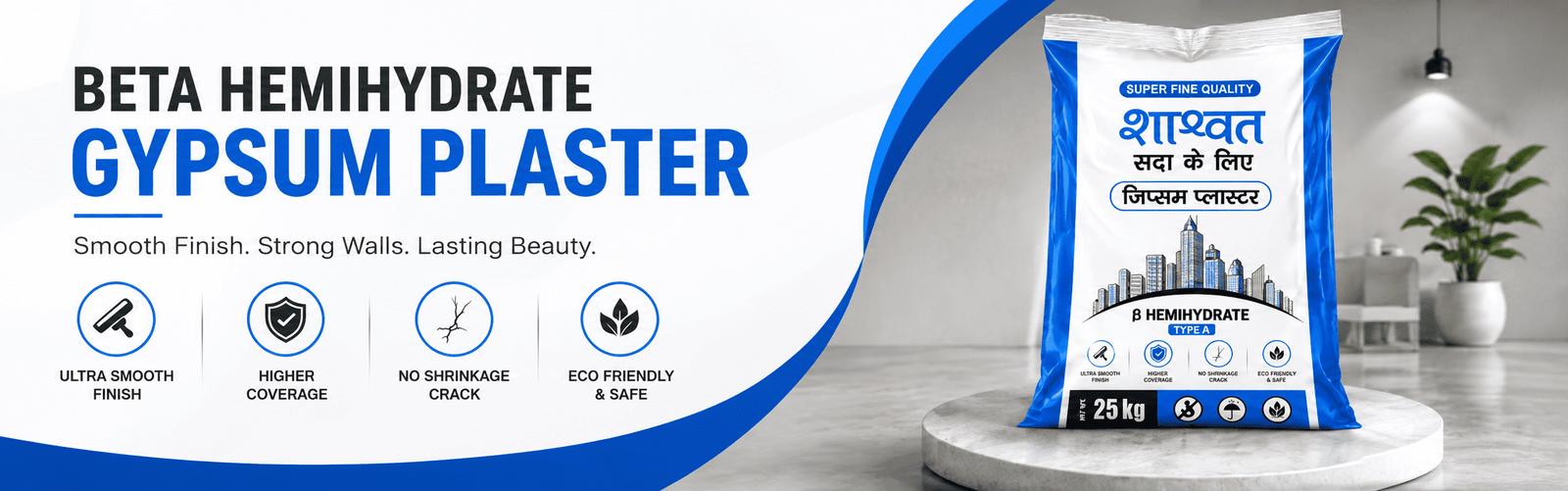
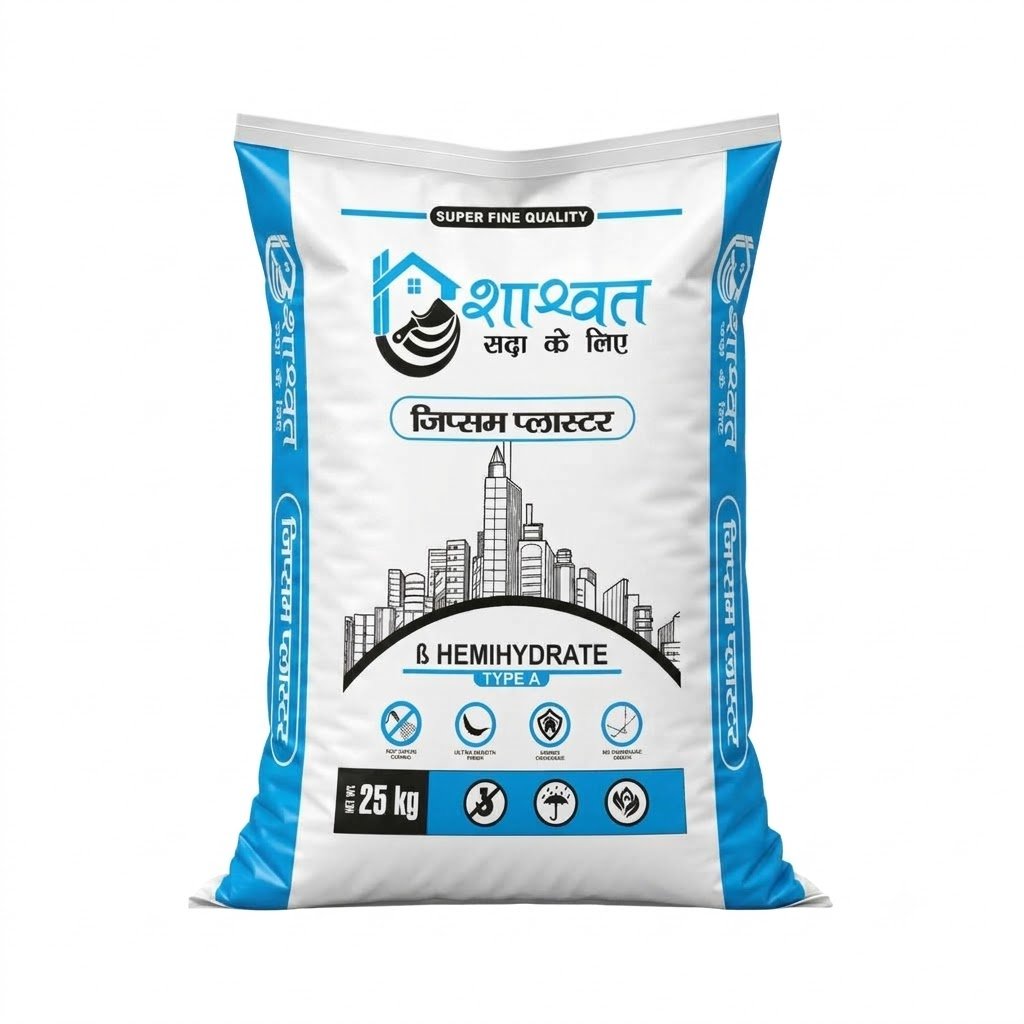
Shashwat Wallcare Beta-Hemihydrate Gypsum Plaster is a high-strength, high-purity interior plaster designed to deliver superior wall and ceiling finishes. Manufactured using carefully processed natural gypsum and advanced formulation techniques, it ensures excellent bonding, fast application, and a smooth, uniform surface.

This premium plaster serves as a modern, efficient alternative to traditional cement plaster, offering faster project completion, improved surface quality, and long-term durability without the need for curing

Key Features & Benefits

High Compressive
Strength

Smooth &
Uniform Finish

Fast Setting
Time

Lightweight
Composition

Crack-Free
Performance

Zero Curing
Required
Why Choose Our Beta-Hemihydrate Plaster?

  • Zero curing saves water and labour
  • Faster project completion
  • Ideal for premium interior finishing
  • Stronger & smoother than cement plaster
  • Excellent workability, ensuring easy application and a flawless finish
  • Provides superior surface hardness and long-lasting durability
  • Reduces shrinkage and cracking compared to traditional cement plaster
  • Enhances paint adhesion, resulting in a smoother and more vibrant final look
  • Lightweight composition helps reduce overall structural load
Beta Hemi

What is Beta-Hemihydrate Gypsum Plaster

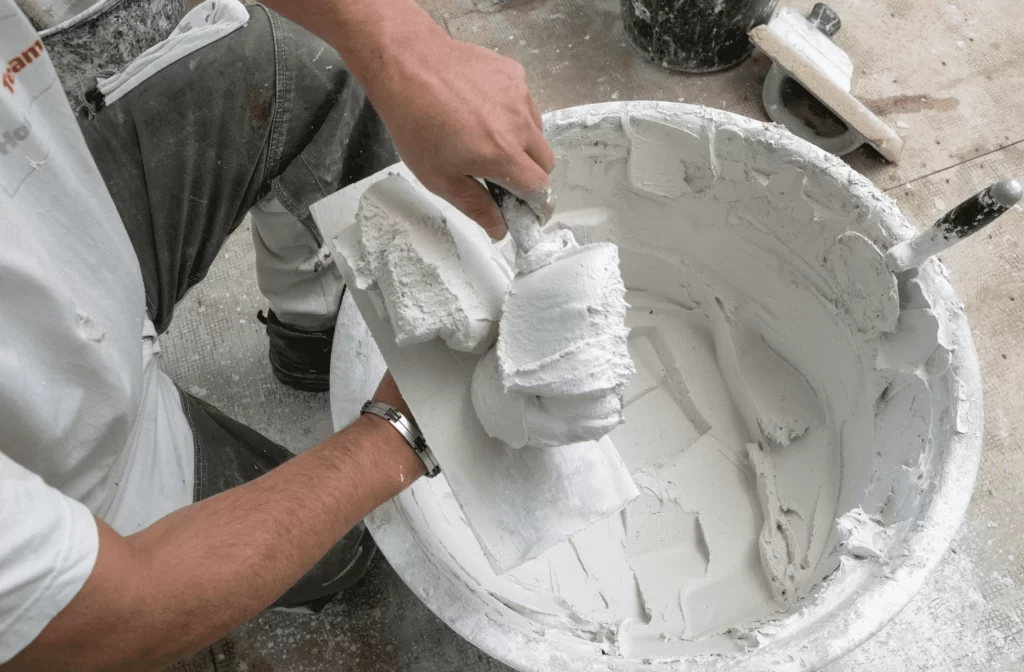
Beta-Hemihydrate Gypsum Plaster is an interior wall finishing material which is widely used and made from natural gypsum. Gypsum is a mineral that occurs naturally. Heating gypsum stone at precise temperatures lets it lose part of the water and thus convert into Beta-Hemihydrate Gypsum Plaster. This plaster is provided in the form of fine powder and water is mixed just before application.

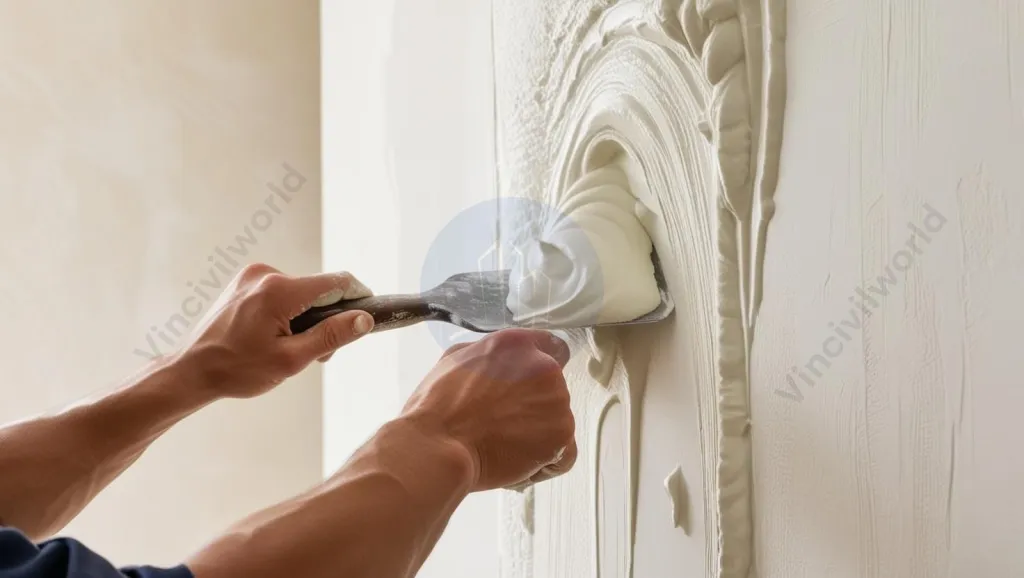
Beta-Hemihydrate Gypsum Plaster after being combined with water turns into a smooth paste that can be easily applied to walls and ceilings. The application of plaster makes it very white and smooth. The surface is suitable for painting and other decorative finishes. Surfaced smoothness and quick setting time are the main features of modern interior construction industry which make them extensively used.

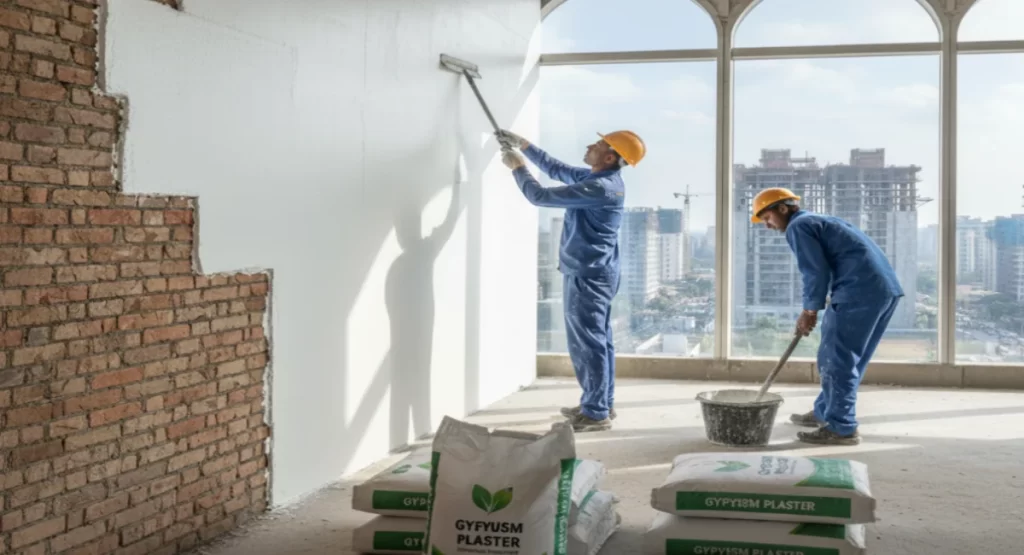
Interior wall finishing is the primary use of Beta-Hemihydrate Gypsum Plaster. Through it, cement plaster has been replaced in many projects. In doing so, a new medium is being in demand which is no longer sand, water and plaster based, thus saving time, labor and water. If not these, it is still preferred in places like homes, offices, commercial buildings, hospitals, hotels, and schools because of less maintenance and quicker turnaround.

Beta-hemihydrate gypsum plaster features

Beta-Hemihydrate Gypsum Plaster has several features that are very useful and these are reasons why it is the most recommended product for finishing interior walls.

Smooth and fine finish

A very smooth and uniform surface is formed upon application of this plaster. The tiny particles are the ones that assist in hiding the small imperfections of the wall and giving a neat base for painting.

Fast setting time

Beta-Hemihydrate Gypsum Plaster is the one that sets quicker than the cement plaster. The walls become ready for painting in a very short time.

Bright white color

The natural white color and that of the room’s brightness are improved and that is why painting of the room many times is avoided.

Easy to apply

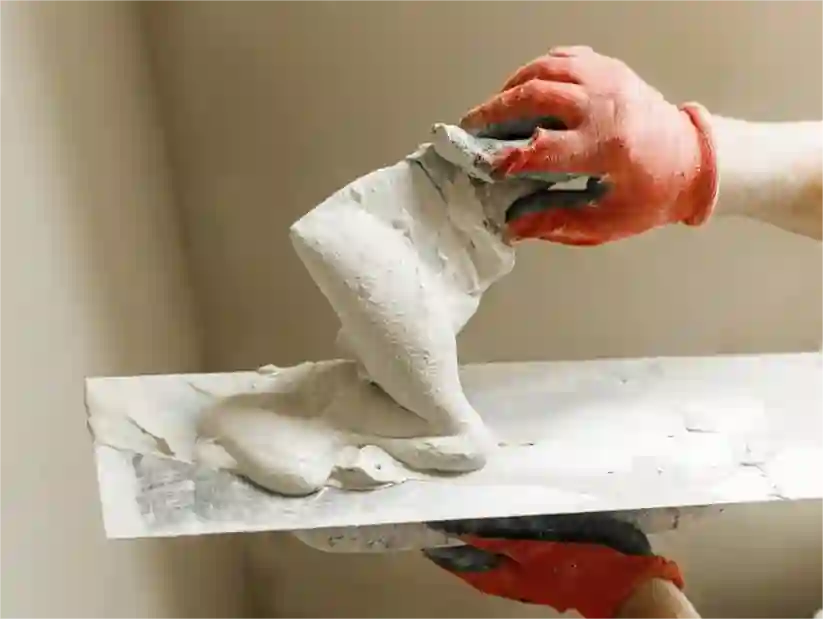
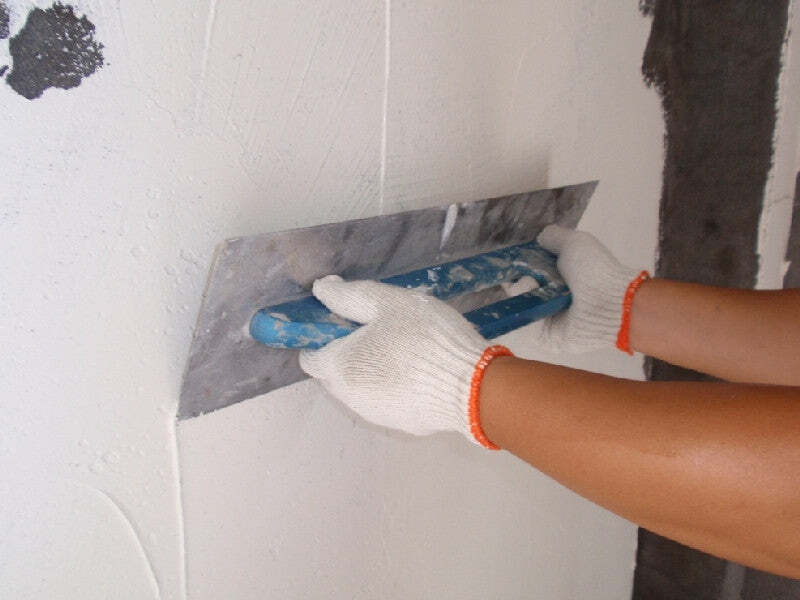
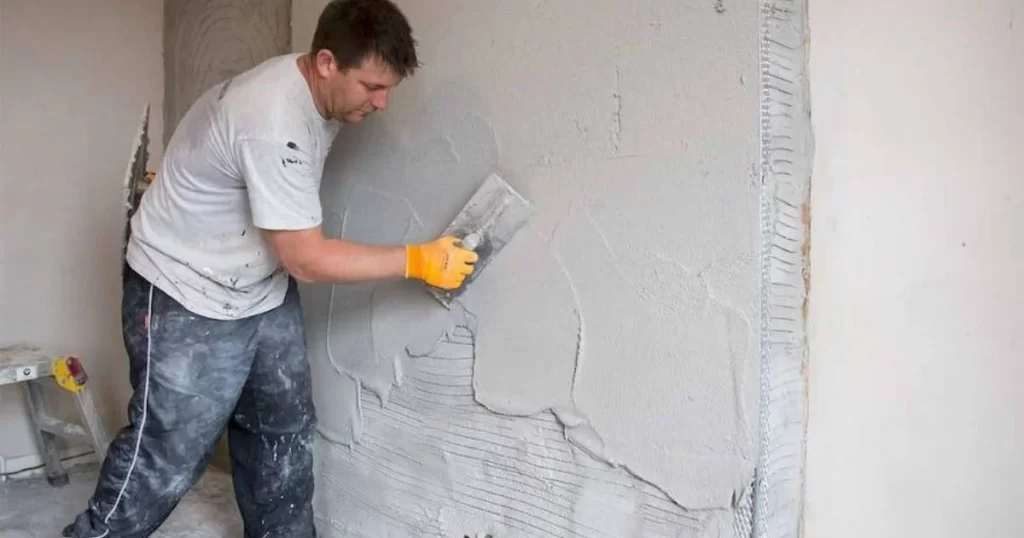
Just mixing with water is all that is required, and application is done with the use of basic tools like trowels.

No water curing required

Application of daily water curing is not needed for this plaster.

Lightweight

Very little load is added to the walls and ceilings which is an advantage for modern constructions.

Fire resistant

Gypsum has fire resistance quality and hence it can help to delay the spread of fire.

Beta-hemihydrate gypsum plaster features

It provides indoor temperature control by minimizing the heat transfer.

Better worksite cleanliness

It generates less dust and mess than cement plastering work.

Beta-Hemihydrate Gypsum Plaster Benefits

The use of Beta-Hemihydrate Gypsum Plaster provides builders, contractors, and homeowners with a myriad of benefits.
  1. Saves Time: Quick set time allows for the rapid finish of interior work.
  2. Saves Water: No curing means water usage is zero.
  3. Reduces Construction Cost: Less labor costs, quicker production, and less paint consumption all lower total costs.
  1. Enhances Interior Look: Delicate, smooth, and premium-looking walls are created.
  1. Improves Safety: The nature of being fire-resistant gives a new layer of protection inside the buildings.
  1. Comfortable Living: It contributes to noise reduction and better temperature control indoors.
  1. Long-Lasting Finish: If applied correctly, it will not develop cracks throughout the years.
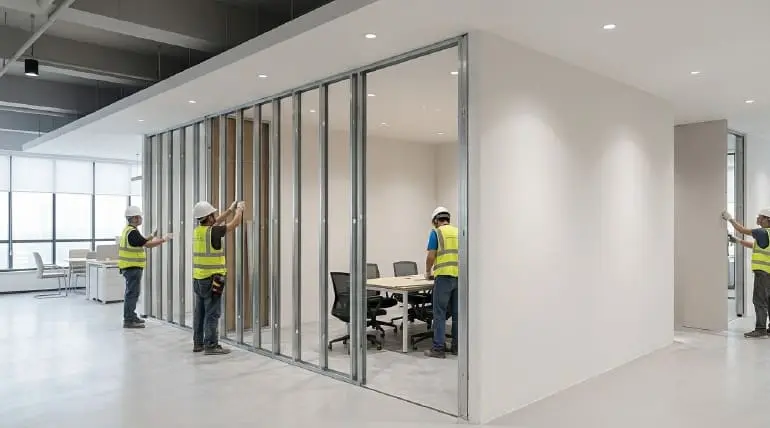
  1. Suitable for Modern Construction: Perfect for the likes of apartments, offices, and commercial interiors.

Beta-Hemihydrate Gypsum Plaster Areas of Applications

Beta-Hemihydrate Gypsum Plaster is primarily intended for interior applications. It can be applied to all places where the need for wall surfaces that are smooth and attractive arises.

Beta-Hemihydrate Gypsum Plaster for Interior Walls

This is the most frequent use. It is common practice to apply this plaster in the following places:

  • Living rooms
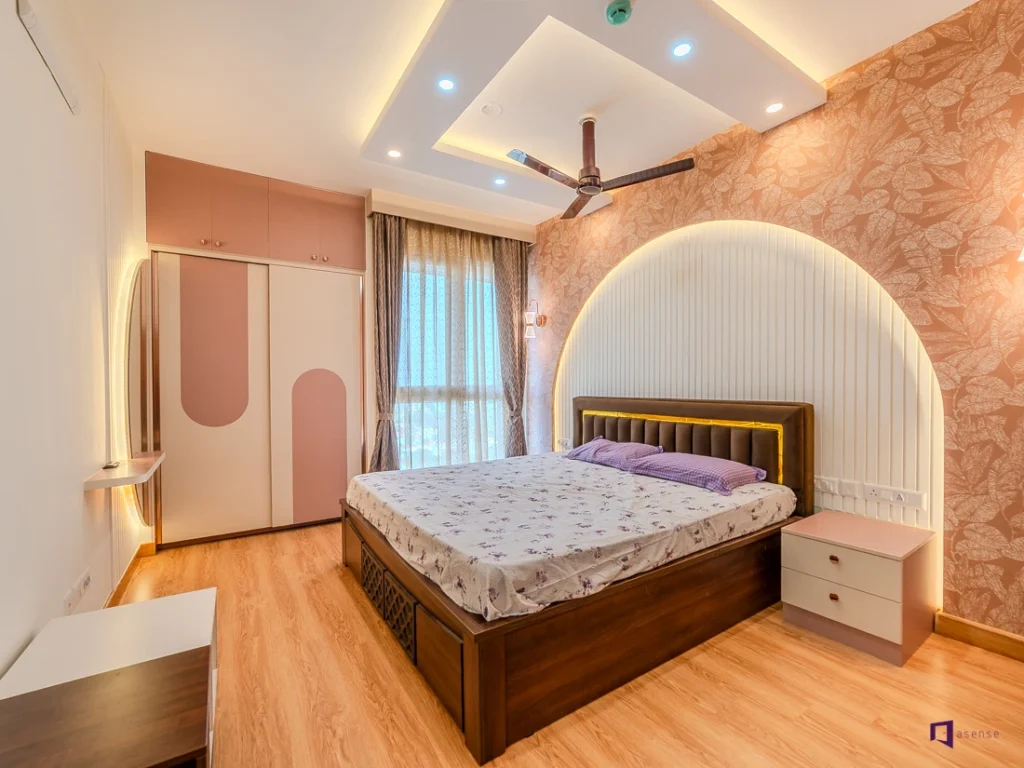
  • Bedrooms
  • Kitchens
  • Offices
  • Schools
  • Hospitals
  • Hotels
  • Commercial areas


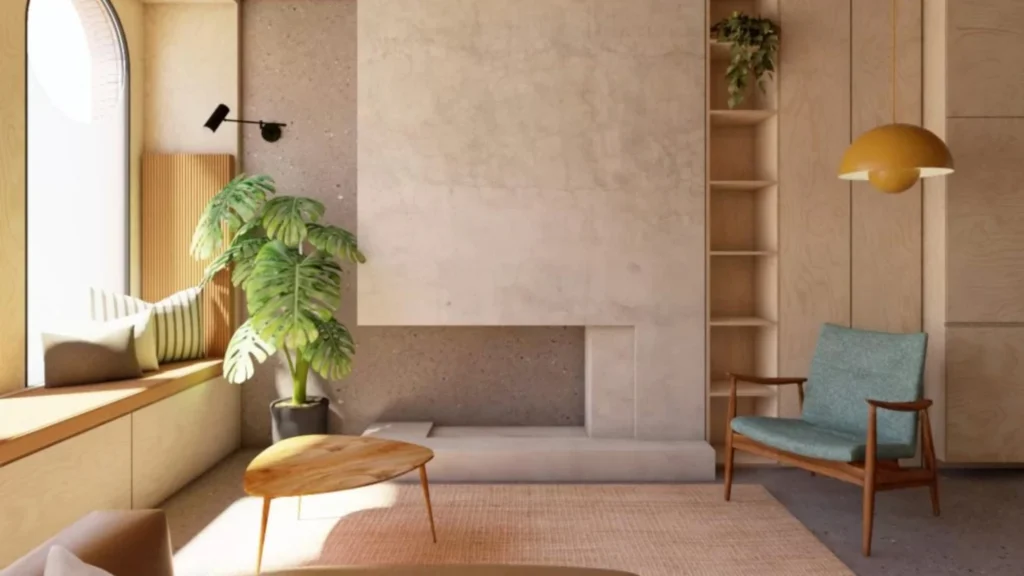
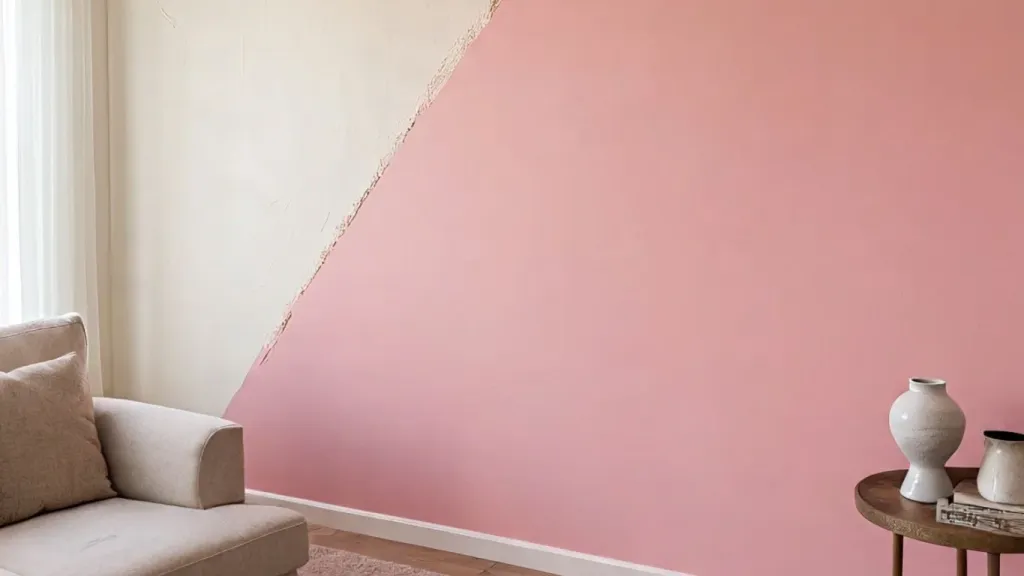
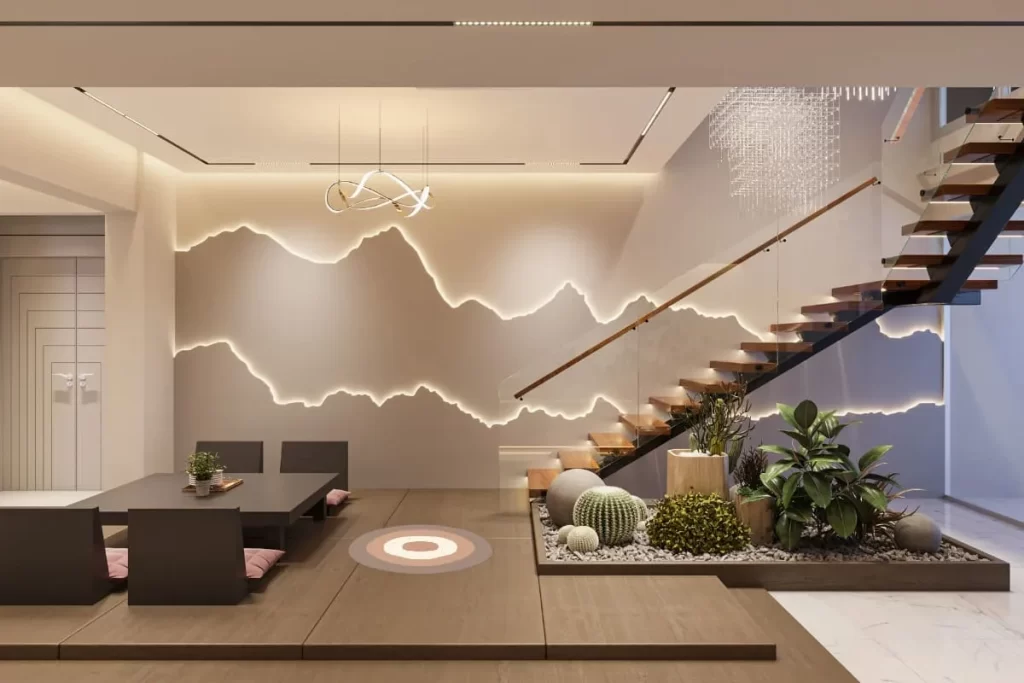
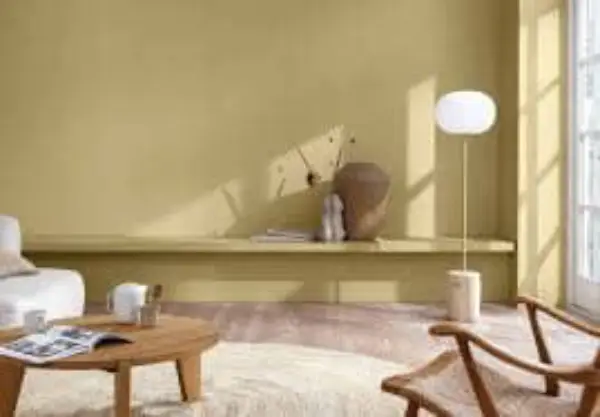
The interior walls treated with this plaster have a very neat, bright, and contemporary look. It acts as a wonderful base for paint, wallpaper, and other decorative finishes.

Beta-Hemihydrate Gypsum Plaster for Outdoor Walls

Beta-Hemihydrate Gypsum Plaster is not suitable for direct application to exterior walls. Rain, moisture, and temperature fluctuations affect outdoor walls. Water can cause gypsum plaster to deteriorate.

On rare occasions, however, it may be permissible to use gypsum plaster on walls that are not exposed to the elements, provided waterproofing, moisture protection, and weather-resistant coatings have been applied. Cement-based plaster is still the most commonly used material for exteriors, even in such a case.

Beta-Hemihydrate Gypsum Plaster for Painting Walls

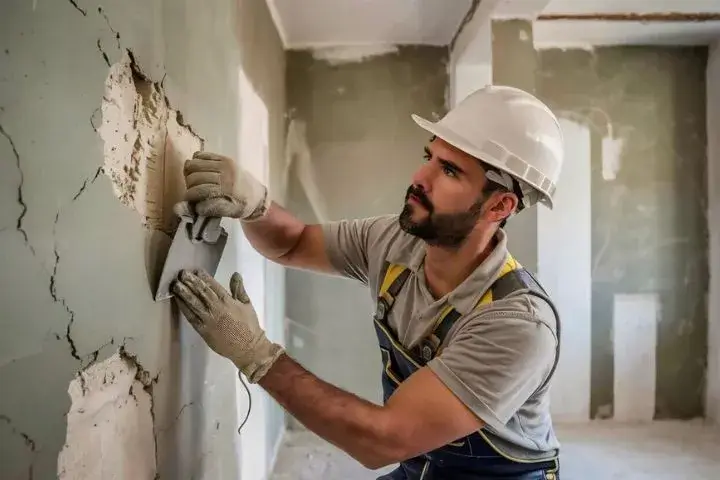
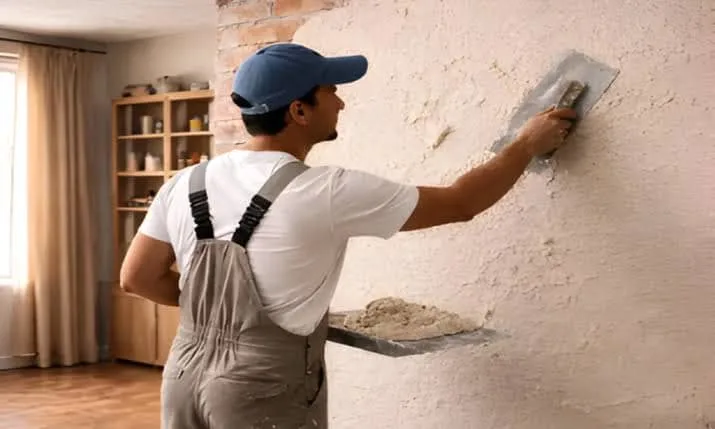
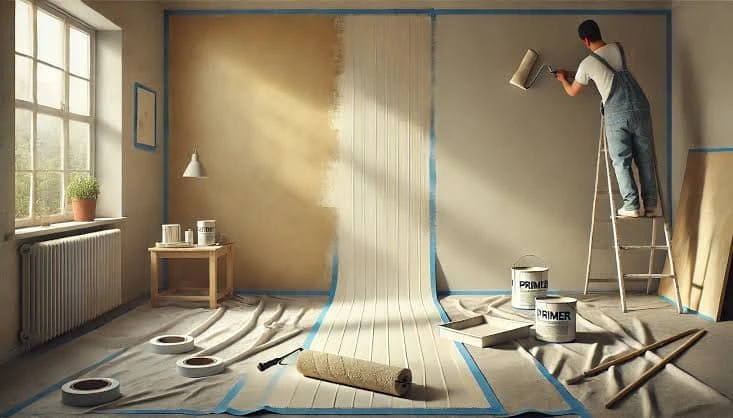
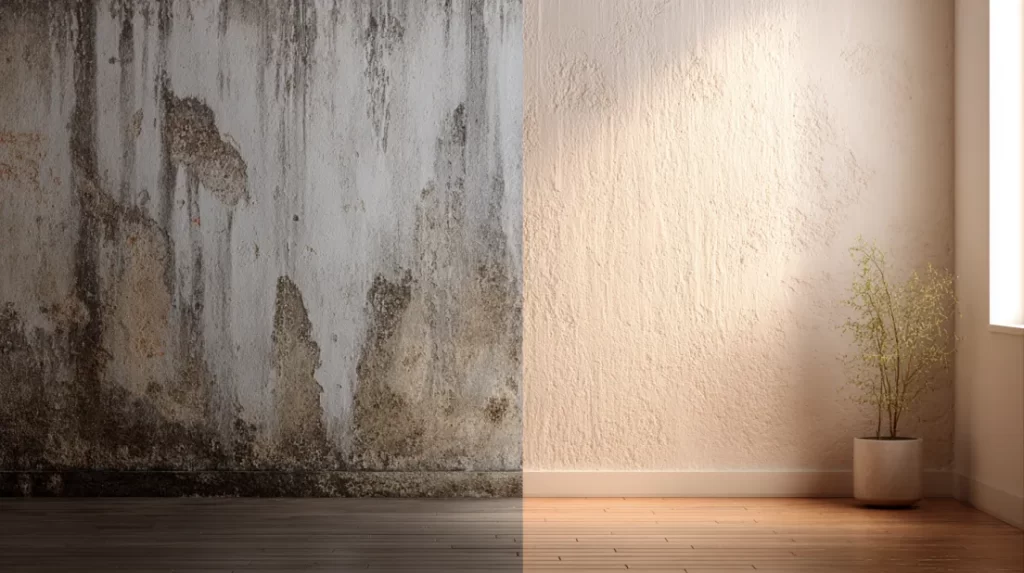
This plaster is an essential product for the modern renovation and repainting projects. The old walls generally have many problems like cracks, unevenness and damaged plaster. The application of Beta-Hemihydrate Gypsum Plaster allows one to carry out these repairs and offers a fresh, smooth surface.

It eliminates the need for heavy construction and quickly changes the look of the old interiors to new ones.

Beta-Hemihydrate Gypsum Plastering for Ceilings

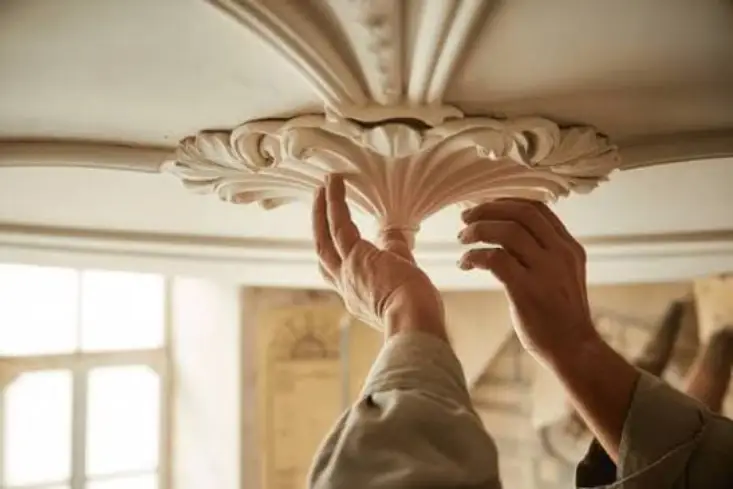
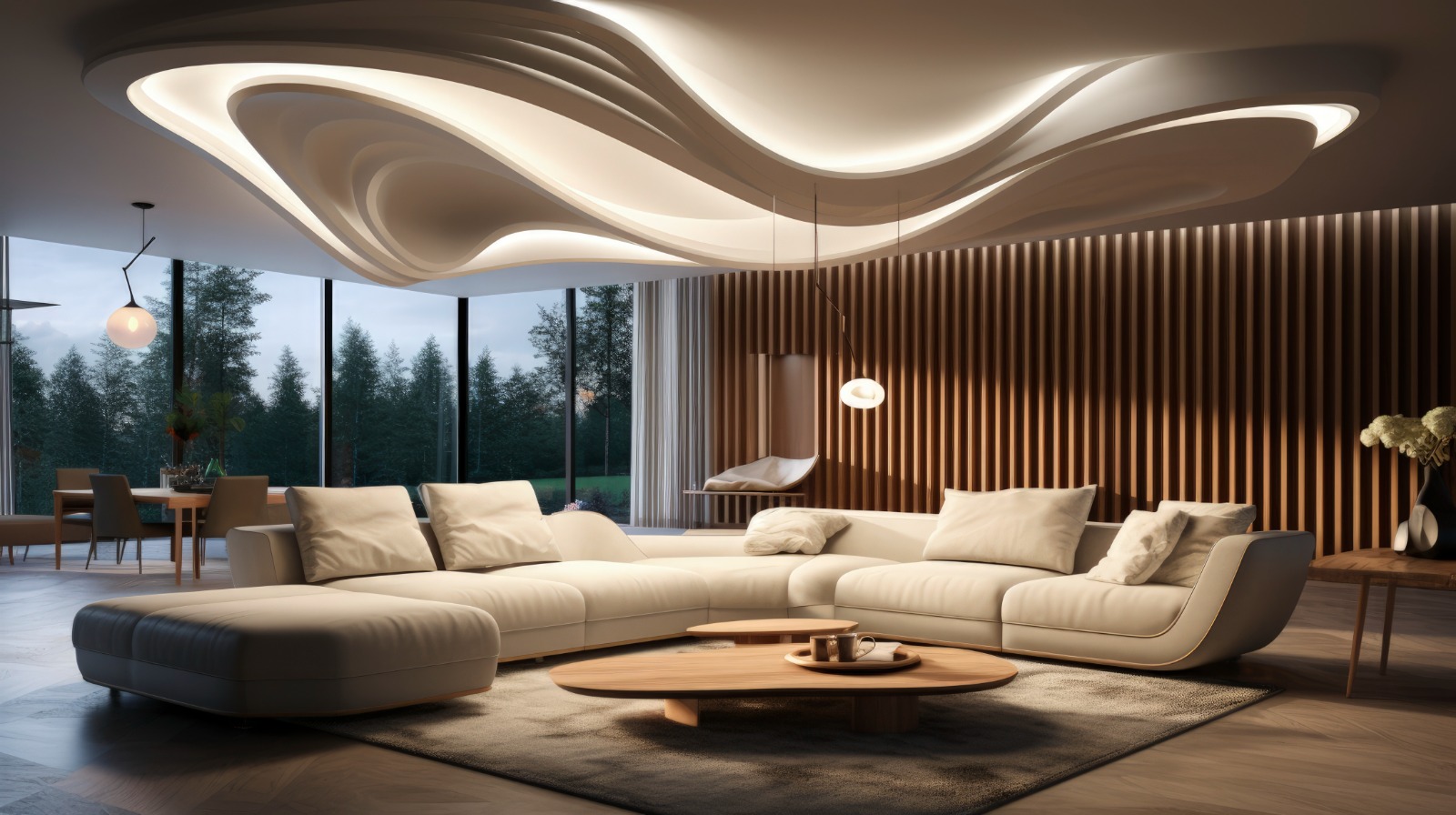
Beta-Hemihydrate Gypsum Plaster finds its use in the areas of ceilings as well. It not only gives a smooth and even finish but also improves light reflection. It is typically found in residential and commercial ceiling finishing where false ceilings are not required.

How to Apply Beta-Hemihydrate Gypsum Plaster: Step-by-Step Guide

Proper application guarantees longevity and a perfect finish.
Step 1: Surface Preparation
The wall should be cleaned very well. Dust, grease, loose plaster, and paint should be removed. Fill deep cracks if there are any.
Step 2: Slight Dampening
Very dry surfaces should be lightly dampened to improve bonding. Do not wet it too much.
Step 3: Mixing the Plaster
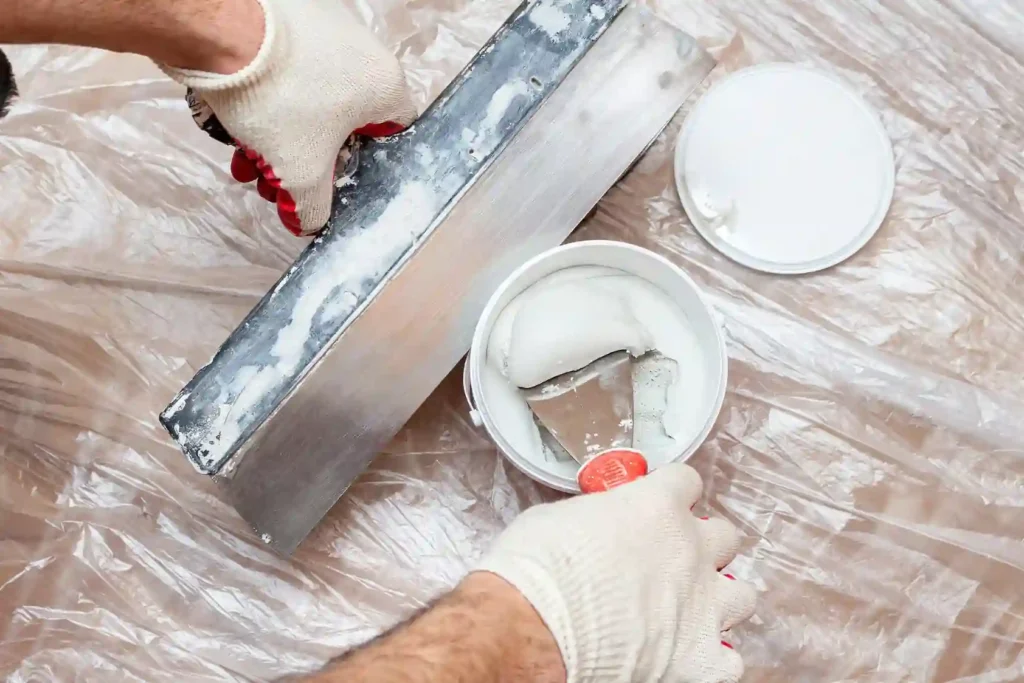
Pour clean water into a clean bucket. Gradually add the plaster powder. Keep mixing until a lump-free smooth paste is formed.
Step 4: First Coat Application
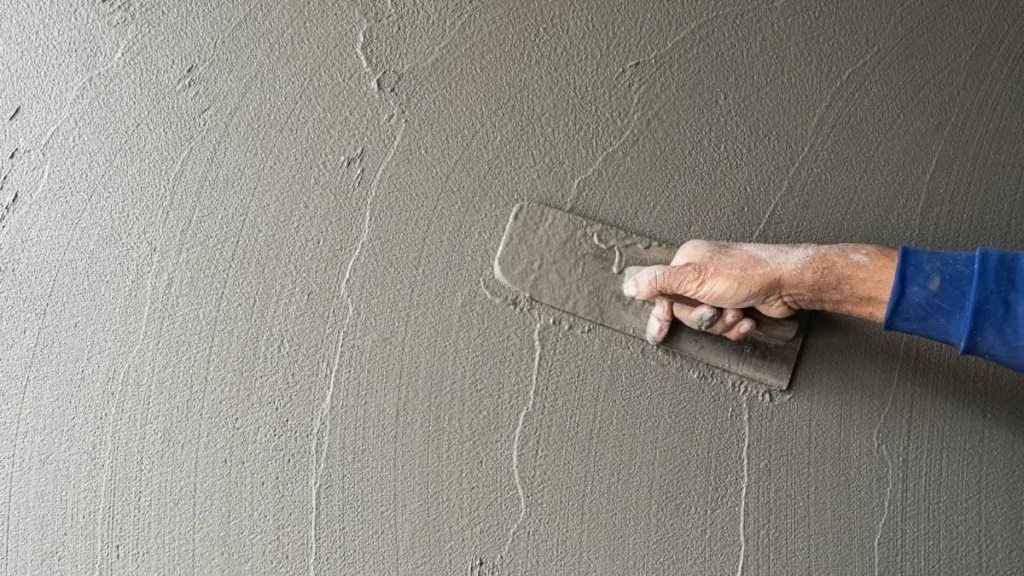
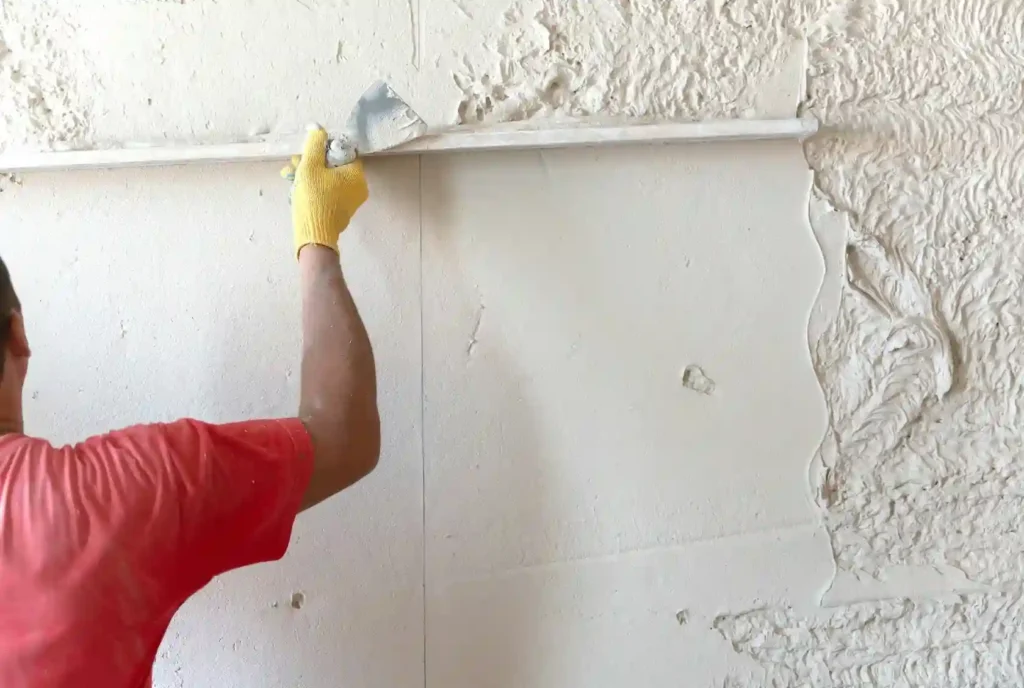
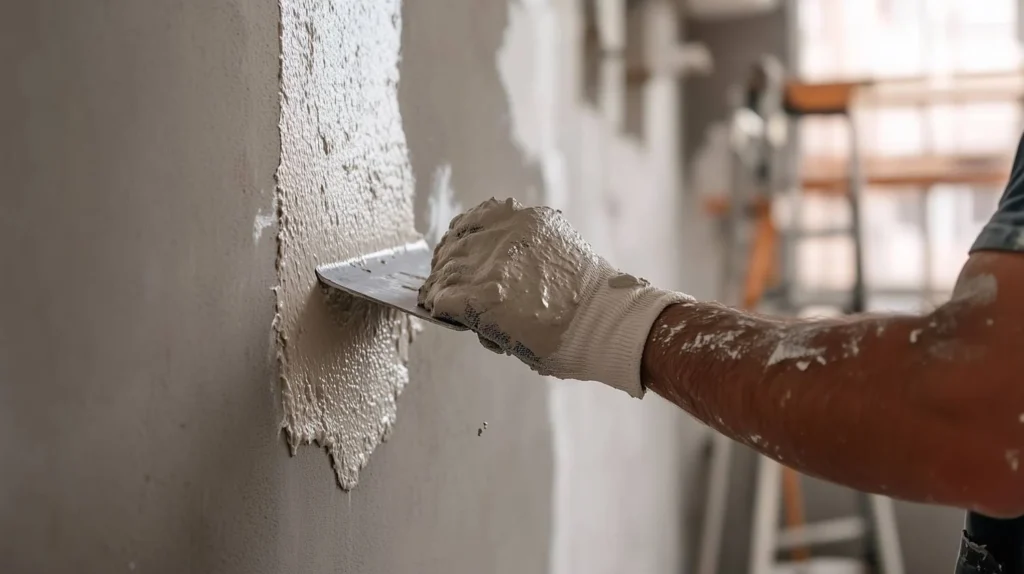
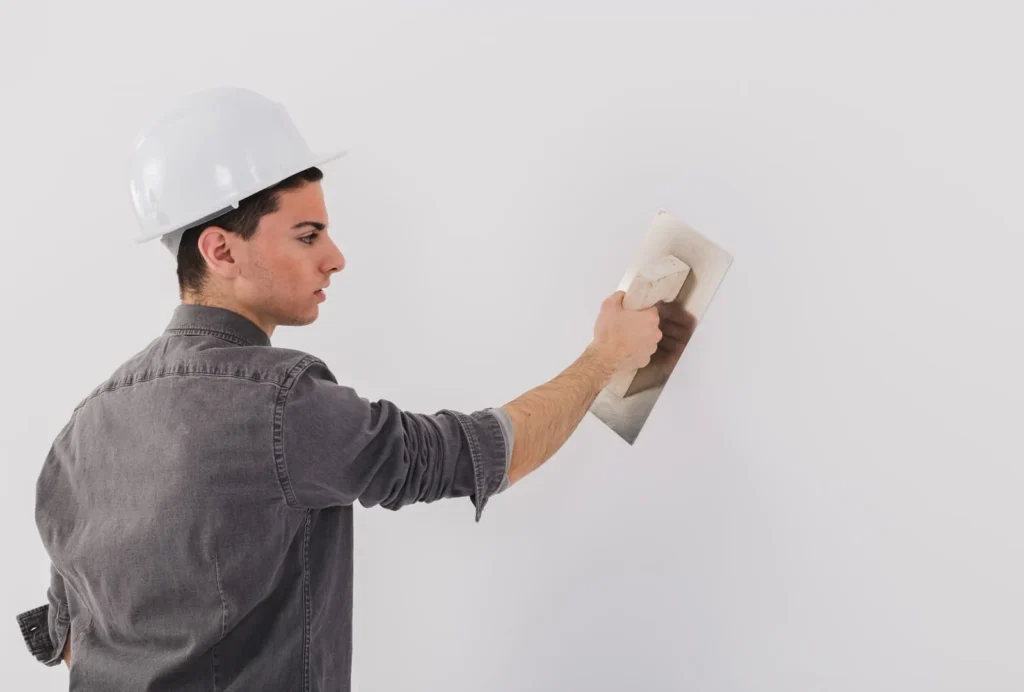
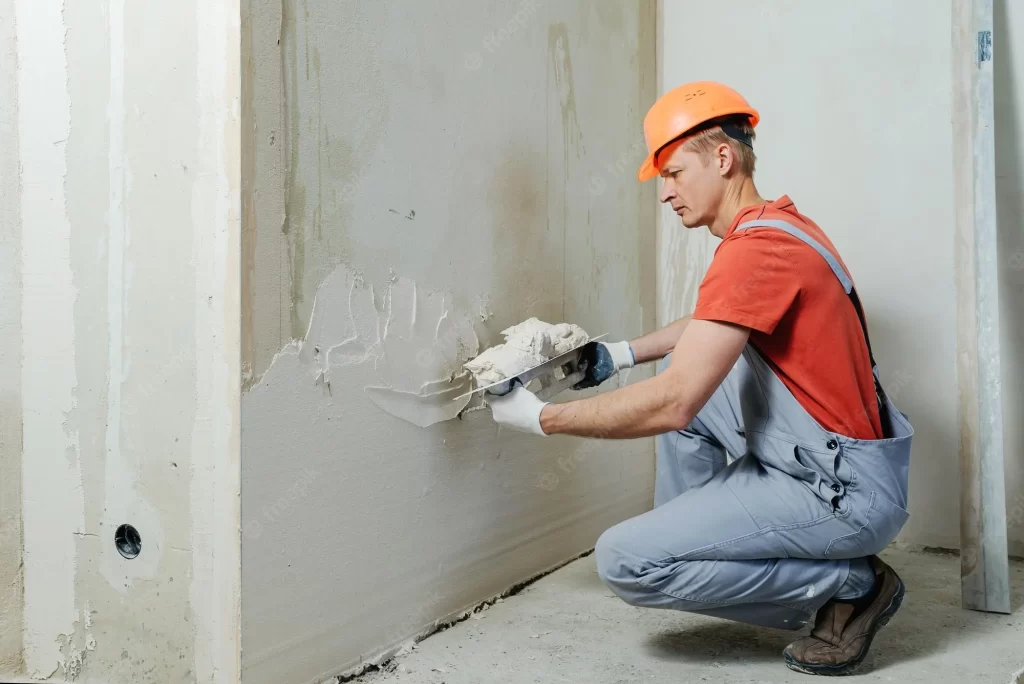
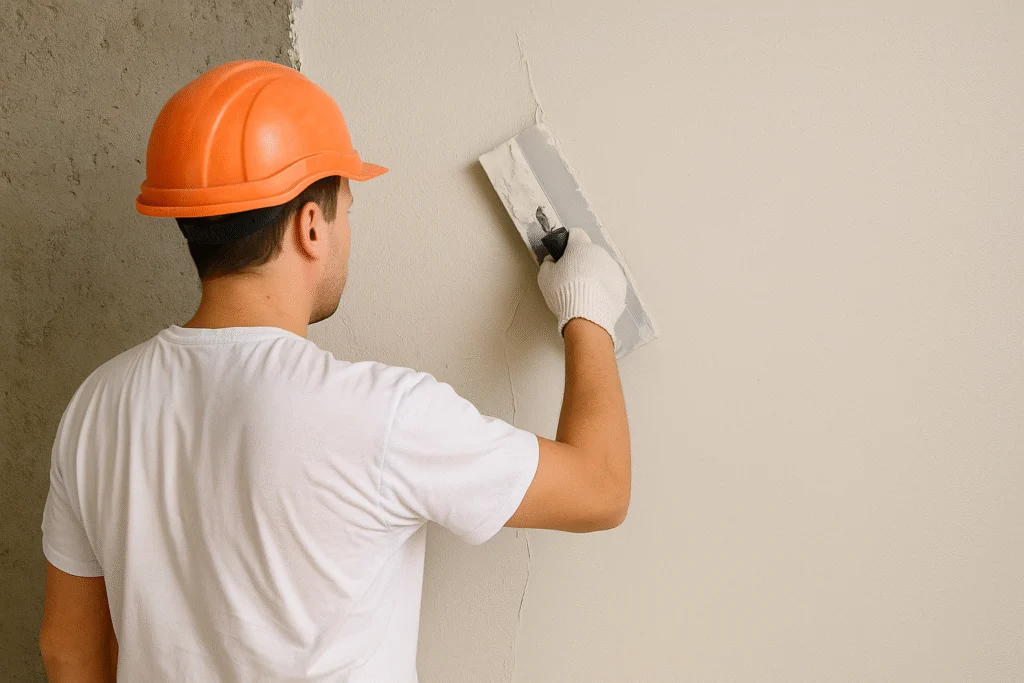
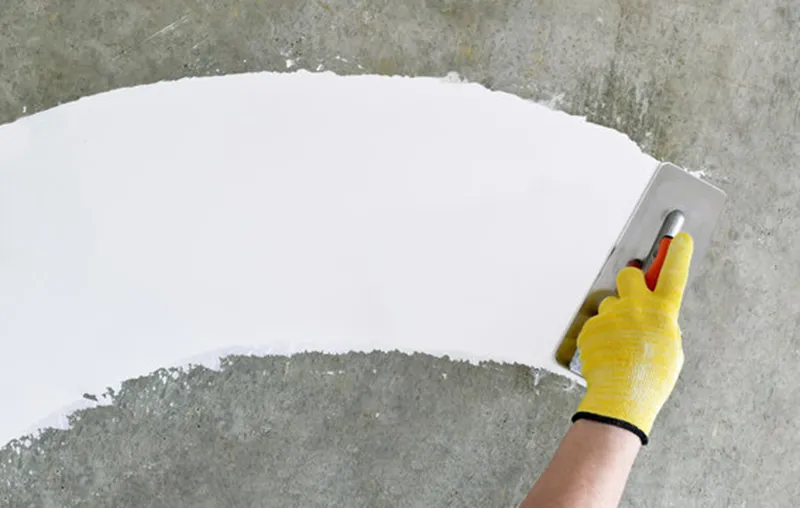
Use a steel trowel to apply the plaster. Begin at the bottom and move upward. Keep thickness even.
Step 5: Levelling
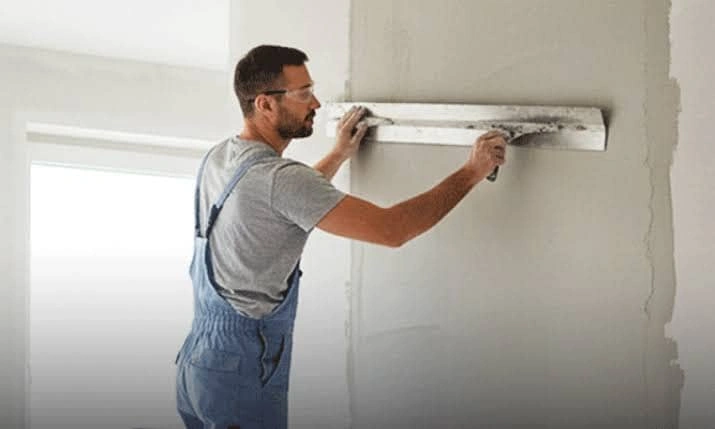
Level the surface properly and discard the excess material.
Step 6: Second Coat (If Required)
After the first coat has set, apply a second thin coat for extra smoothness.
Step 7: Final Smoothing
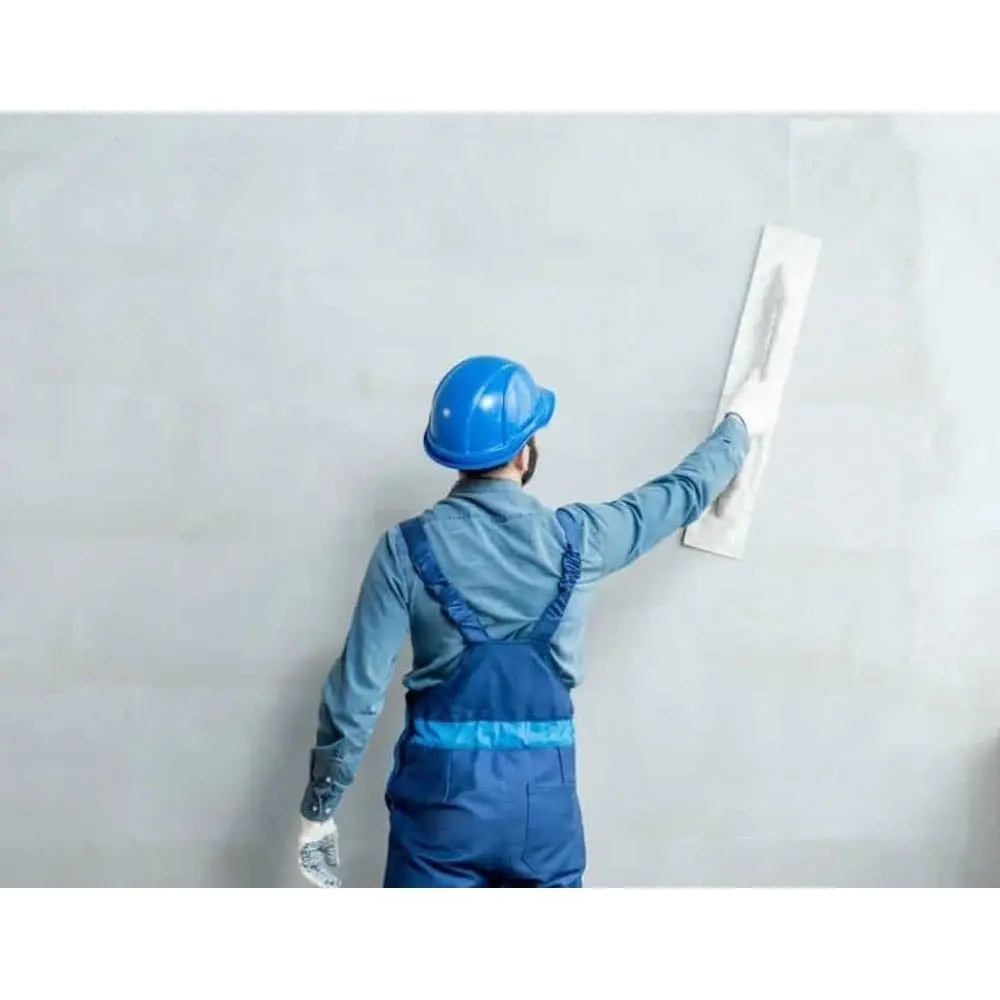
Using long strokes, smooth the surface while the plaster is still setting.
Step 8: Drying
Let the plaster get dry by itself. Do not use water on it.
Step 9: Painting
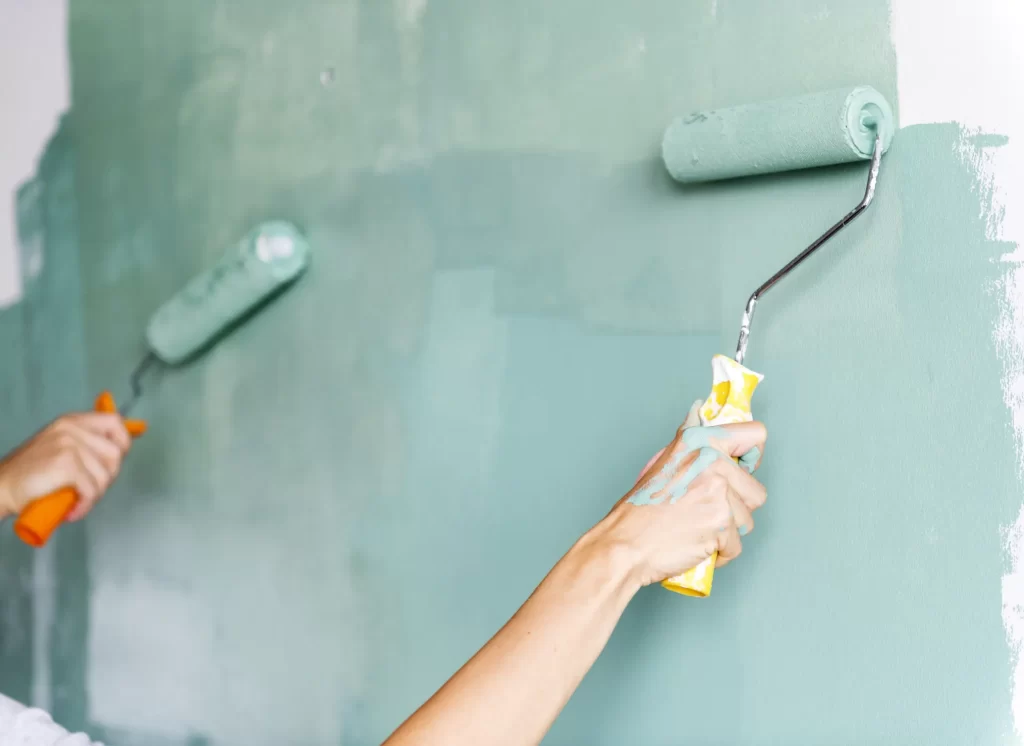
After drying, primer and paint should be applied.

Recent Blogs

Frequently Asked Questions

Why need Beta-Hemihydrate Gypsum Plaster?
With a minimal amount of water, it still produces interior wall finishes that are fast, smooth and economical at the same time.
They are not the same; white cement and gypsum plaster have different compositions, applications, and performances.
Do not use it in wet areas, outdoors, unwaterproofed bathrooms, and areas that constantly have dampness.
Vermiculite plasters are light in weight and provide thermal resistance while conventional plasters are heavy and strong but give less insulation.
Not at all. It is not proof against dampness and should not be applied in areas that have moisture.
Due to less strength, it possesses a higher cost, and limited load-bearing ability.
Generally it is about 6 to 8 mm depending on the condition of the surface.
Vermiculite plasters are primarily applied for insulation and fire resistance rather than decorative finishes.

Conclusion

Beta-Hemihydrate Gypsum Plaster is a modern and efficient solution for interior wall finishing. It provides a smooth texture, quick application, water savings as well as a clean look. It is perfect for walls, ceilings, and renovation of interiors. In places where it is correctly applied and suited, it significantly enhances the beauty, comfort, and safety of indoor spaces.

© 2026 SHASHWAT “Sada Ke Liye” | Disclaimer | Privacy Policy | Marketing by iGlobalizer