One of the extensive decisions that you have to make when building or renovating a place is choosing the finishing of walls and ceilings. Gypsum plaster and cement plaster are two are the most recognized in this aspect. Both are used to prepare wall and ceiling surfaces for painting or decorating by making them smooth. Still, they have so many differences.
The text comparison will be made in a very easy way throughout this blog between gypsum plaster and cement plaster. We will make you familiar with how they work, their differences, and the reasons that make the majority of builders switch to gypsum plaster for contemporary houses. Besides, you will get to know that the gypsum products from reliable manufacturers like Shashwat Wallcare not only help but also enhance interior finishing.
What Is Gypsum Plaster?
Gypsum plaster is an extremely smooth product made out of gypsum that is a mineral found in nature. It is available in the form of powder, which goes through the process of fine plastering, and thus is mixed with water to form the paste. The paste is then applied to the walls and ceilings to give a smooth surface.
Gypsum plaster has a fast-drying feature and gives a clean finish. It is widely used with gypsum plasterboards and wall systems, mainly in modern houses and interiors.
What Is Cement Plaster?
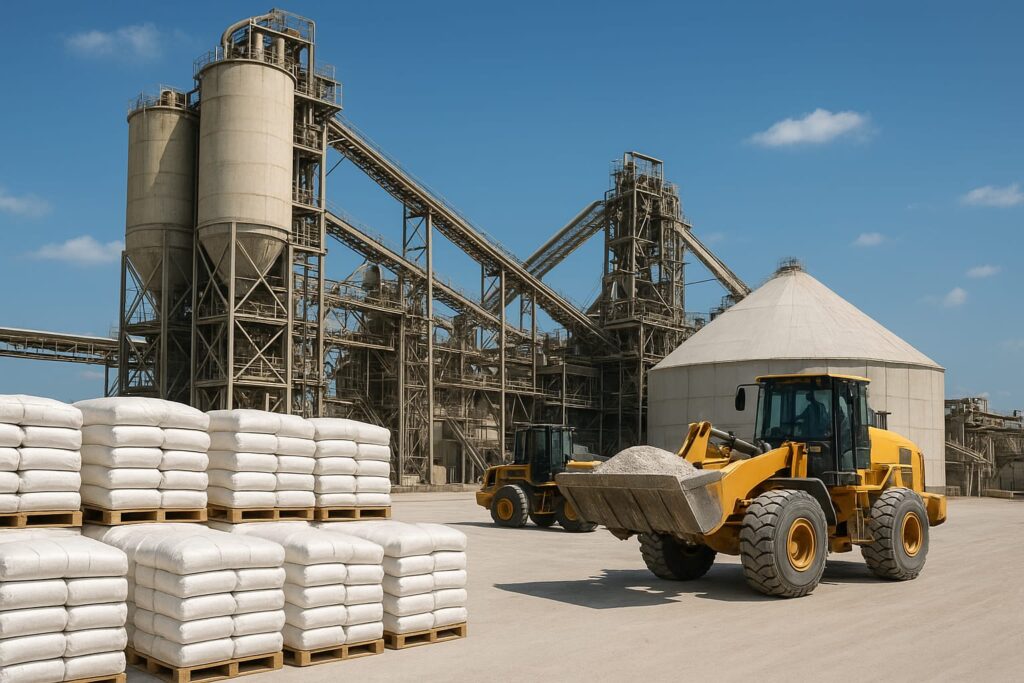
Cement plaster is produced by combining cement, sand, and water. For many years it has used to be the conventional technique of plastering walls and ceilings.
Cement plaster makes the surface hard, though application and finishing require more time and labor.
Gypsum Plaster vs Cement Plaster — Key Differences
1. Speed of Work
- Gypsum plaster is significantly quicker than cement plaster in drying.
- Right after gypsum plastering, painting can get started sooner while cement plastering has to be done first, then waiting for a long time drying before painting.
- Many builders opt for gypsum plaster for speedy construction work.
2. Water Use
- Water curing is not needed for gypsum plaster at all. It is ready for painting as soon as it is dried. A lot of water is thus saved.
- Cement plaster has to be cured with water spraying for several days and has to be checked daily. So, it ends up consuming a lot of time, labor, and water.
3. Smooth Finish
- Gypsum plaster provides a very soft and uniform surface. The necessity of wall putty is minimal and this makes the application of paint easy.
- Cement plaster may require the additional work of finishing before painting to get the smoothness desired.
4. Weight and Structure
- When comparing the two, gypsum plaster is lighter than cement plaster. Less weight on walls and ceilings is the result of this.
- Cement plaster being heavy causes more stress to the building structure.
5. Cracks and Shrinkage
- Gypsum plaster has very little cracking and shrinking during drying.
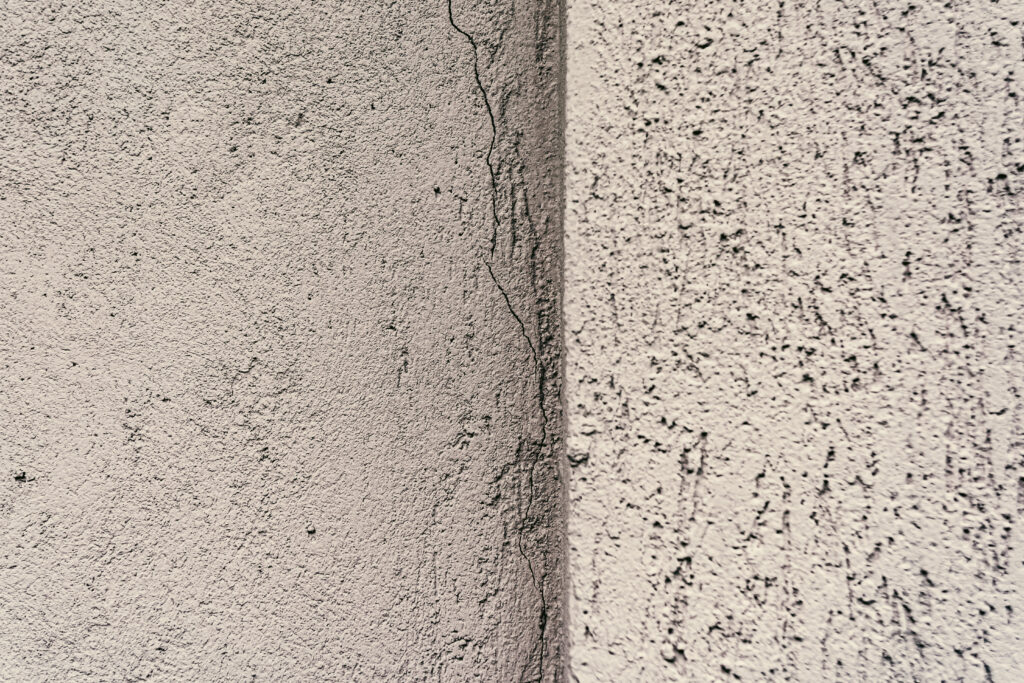
- Cement plaster can shrink and develop cracks after a while.
6. Water Resistance
- Gypsum plaster is okay for interior use only and should not be used outdoors or in wet areas as it will fail.
- On the other hand, gypsum plaster cannot be used in such areas where it might get wet.
7. Eco-Friendliness
The application of gypsum plaster involves less water and produces less on-site waste and dust. The work area becomes clean and the environmental impact is reduced.
The use of gypsum plaster by builders as a means to make construction less messy and less harmful is very common.
Why Gypsum Plaster Is Favored by Builders Today
Modern builders usually opt for gypsum plaster when it comes to interior finishing for the following reasons:
- It is a time saver and allows painting to commence earlier.
- It results in a soft and tidy finishing on walls and ceilings.
- It cuts down on the water used, thus making the construction process less damaging to the environment.
More dust and waste will be created during the work, but the quantity will be less.
A clean, durable and beautiful interior finish would be the outcome when gypsum plaster is used along with Shashwat Wallcare’s gypsum boards and panel systems.
Where Gypsum Plaster Works The Best
Interior walls and ceilings are the most suitable for the gypsum plaster:
- Living rooms, bedrooms, and halls
- Office and commercial interiors
- Areas where smooth finishing is required
It is not advisable to use it in places where walls are often wet or where there is a lot of moisture.
Where Cement Plaster Is Still the Choice
Cement plaster has not lost its ground completely and is still applicable for:
- Outdoor walls
- Places that receive a lot of rain
- Locations that need to be very weatherproof
While gypsum plaster is taking over the interior of houses, cement plaster is still needed where strength and water resistance are the main concerns.
Conclusion
Gypsum plaster and cement plaster, both, have their pros and cons. However, in most cases, gypsum plaster is the winning material by its speed, smoothness, and user-friendliness. The modern builders confirm that they prefer gypsum plaster because it is cleaner, faster, and more modern.
Gypsum plaster having a strong, smooth, and beautiful finish when one uses high-quality products from trustworthy brands such as Shashwat Wallcare. It does not matter whether you are constructing a new house or are refurbishing old rooms, the option of gypsum plaster will yield excellent results with lesser time and labor.
To sum up:
- Gypsum plaster = fast, smooth, clean, ideal for interiors
- Cement plaster = strong, water-resistant, good for exteriors
The selection of the right plaster will not only boost the appearance of your home but also extend its life. If you wish to have neat and modern interiors, then gypsum plaster is an excellent option.