
Home / Products / Wall Putty
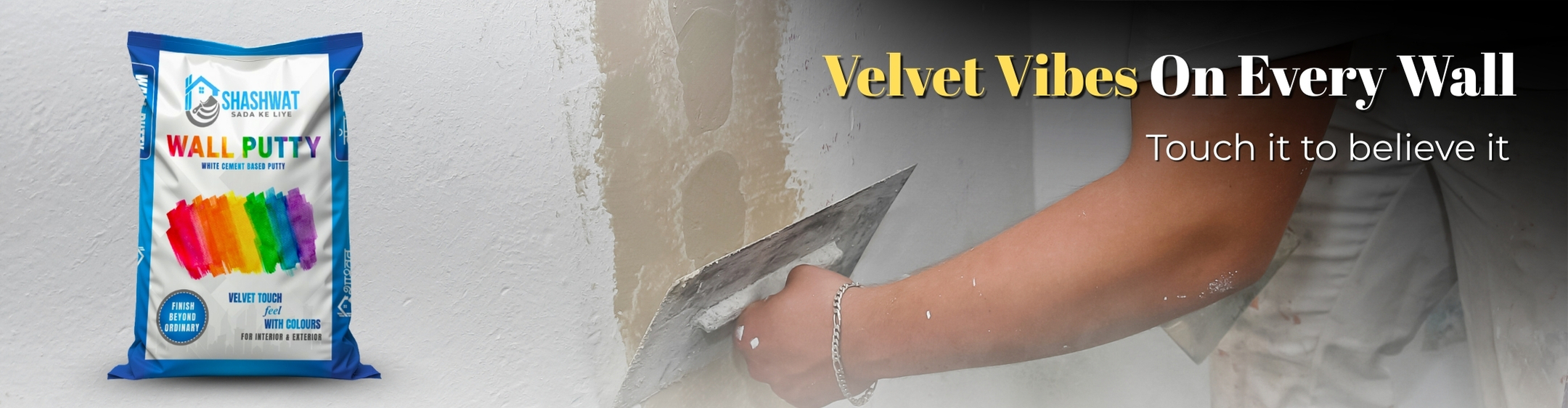
crack resistant wall putty application

Premium White Cement Wall Putty for Smooth & Crack-Free Wall Finish

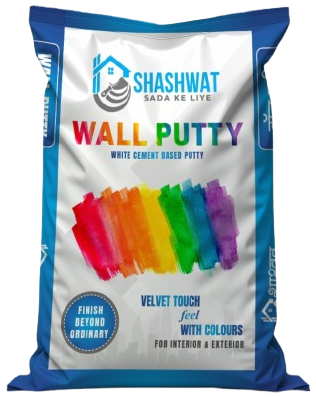
Shashwat Wallcare Wall Putty is a premium, white cement wall putty based smooth wall finishing material engineered to deliver an ultra-smooth, durable, and long-lasting base for all types of paints. Developed with advanced polymers and high-purity minerals, it offers exceptional adhesion, surface strength, and superior whiteness — ensuring a flawless finish on every wall.

Ideal for both interior and exterior applications, Shashwat Wallcare crack resistant wall putty, smoothens undulations, and creates a perfect substrate for wall putty before painting. Its smooth texture and refined formulation significantly enhance paint performance, color richness, and durability.

Key Features & Benefits

Extra-smooth
finish

Superior
Whiteness

Crack-Resistant
Formula

Moisture & Damp
Resistance

Prevents Paint
Peeling

Reduces Paint
Consumption

Why Choose Our Wall Putty Manufacturer?

  • Long-lasting & durable finish
  • Ideal for both interior and exterior walls
  • Enhances beauty & lifespan of paint
  • Provides the perfect base for premium wall finishes
  • Smooth, uniform surface with excellent coverage
  • Prevents paint from peeling, flaking, or cracking
  • Superior bonding strength for a firm, stable finish
  • Moisture-resistant formulation to protect walls from dampness
  • Easy to apply and sand for a professional-level finish
  • Improves paint adhesion and reduces overall paint consumption
  • Suitable for all types of plastered surfaces
white cement wall putty for smooth wall finish

Wall putty is an essential component in the process of getting smooth, long-lasting, and durable walls. The right wall putties not only guarantees a smooth wall finish but also makes the walls more durable and protected. Nowadays, most walks of life, including homeowners and professionals, prefer to buy wall putty online or do a search for “wall putty online near me” for both convenience and quality assurance.

This guide is a complete package explaining wall putty, its characteristics, advantages, uses, and the reasons why Shashwat Wallcare Wall Putty is one of the best wall putty in India.

What is Wall Putty?

Wall putty is the fine powder either from cement, which is mixed with water and used to coat walls before the painting. It will get into the cracks, make the irregular surfaces even and provide a strong base for the adhesion of paint. Quality cement wall putty will protect walls from moisture and wear while prolonging the life of the paint.

Wall Putty Features

High-quality wall putty has the following characteristics:

  • Very smooth and fine texture
  • Superb bond on concrete and plastered surfaces
  • Great tensile strength
  • Resistance to moisture
  • Ability to fill cracks
  • Lifetime of paint finish
  • Applicable for both inside and outside walls

Shashwat Wallcare supplies top-grade wall putty cement products made up of the latest technology to maintain the same quality throughout the process.

Wall Putty Benefits

There are a few benefits of using wall putty:

  • Extends the life of paint and the aesthetic effect of it
  • Paint usage is lowered
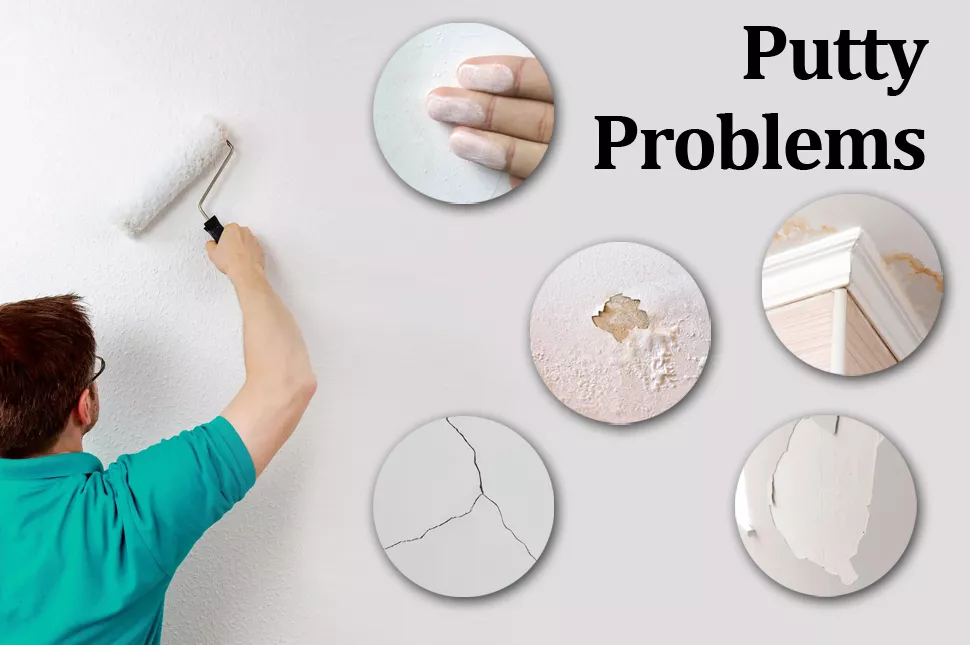
  • No more walls with peeling or chipping paint
  • Wall protection from dampness and even minor seepage
  • Increasing wall strength and walls being smooth

Concrete wall putty used on RCC surfaces is like doing nothing at all but working efficiently.

Picking the top wall putty in India will lead to long-term savings and the best quality wall protection.

Parameter Specification
Product Name Wall Putty
Water Demand 35–40%
Whiteness 85–90%
Compressive Strength 5–7 N/mm² (30 Days)
Tensile Adhesion Strength 0.75–1 N/mm² (15 Days)
Water Absorption 0.7 ml/hr
Coating Thickness 1–1.5 mm
Coverage 14–18 sq. ft. per kg (2 coats)
Pot Life 2–3 Hours
Shelf Life 6 Months
From the date of manufacturing, when stored is dry conditions. (-All tested results are under lab condition)

Wall Putty Areas of Applications

Wall putty is a white cement-based or acrylic material applied to walls before painting to create a smooth and even surface. It improves paint adhesion, enhances durability, and increases the overall finish quality.

Interior Walls Surfaces

Wall putty provides a flawless finish and makes the wall putty for interior walls of the building bright and beautiful with its smooth walls, increased brightness, and improved aesthetics.

  • Provides a smooth and even finish
  • Enhances paint brightness and coverage
  • Improves paint adhesion and durability
  • Reduces paint consumption
  • Increases resistance to minor moisture and surface cracking

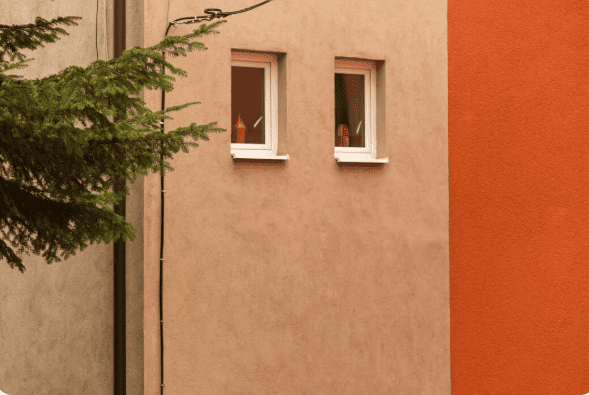
Exterior Walls Surfaces

Wall putties for the outside of a building has to endure a lot of the weather. The use of wall putty for exterior walls of good quality offers maximum protection against moisture, changes in temperature, and dirt.

  • Strong resistance to moisture and humidity
  • Withstands temperature variations
  • Prevents flaking and peeling of paint
  • Improves paint adhesion and durability
  • Waterproof wall putty enhances overall exterior finish

Repainting Walls

In repainting projects, wall putty does the job of hiding old cracks and surface flaws; hence, it is suitable for renovation and color changes.

  • Better paint durability
  • Reduced paint consumption
  • Improved brightness and smoothness
  • Long-lasting and professional finish

Cement-Based Plaster / Coarse Plaster

Wall putty is widely used on cement-based plaster and coarse plaster surfaces to create a smooth, paint-ready finish. Since cement plaster often has a rough and porous texture, wall putty helps level the surface and improve overall appearance. For rough and uneven surfaces such as cement plaster or coarse plaster, the application of wall putty is necessary for leveling, and it will also reinforce the surface which is to be painted.

  • Improves paint adhesion
  • Enhances smoothness and brightness
  • Reduces paint consumption
  • Increases durability of the paint system
  • Provides a professional, long-lasting finish

Wall Putty Step-by-Step Guide

Step 1: Surface Preparation
  • Ensure the wall surface is clean, dry, and free from dust, grease, loose particles, or old flaking paint.
  • Remove any loose material with sandpaper or a wire brush.
  • Repair major cracks or damages before applying putty.
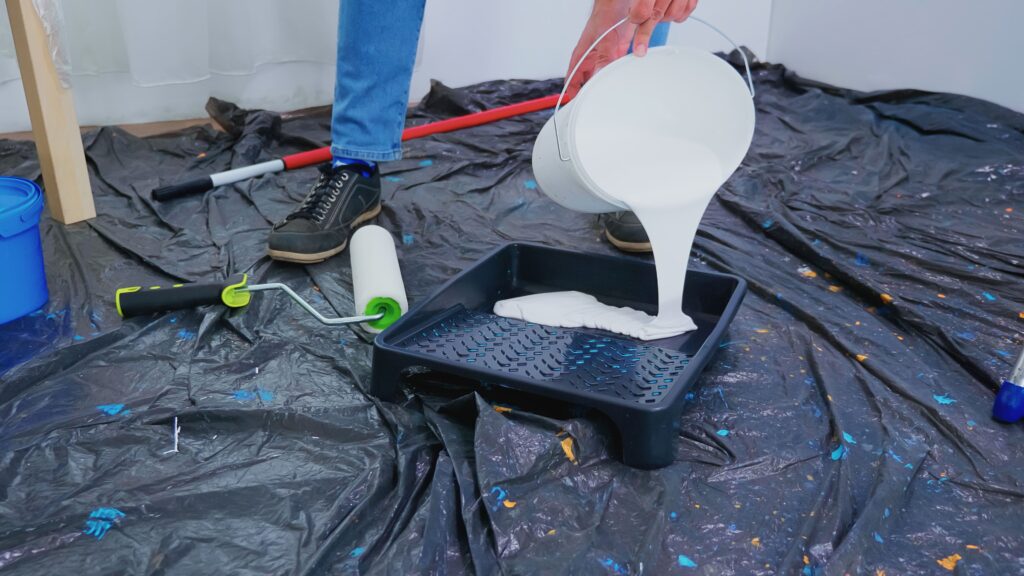
Step 2: Mixing the Putty
  • Take the required quantity of wall putty powder.
  • Gradually add clean water (as per manufacturer’s recommendation).
  • Mix thoroughly until a smooth, lump-free paste is formed.
  • Let the mixture stand for 5–10 minutes, then remix before use.
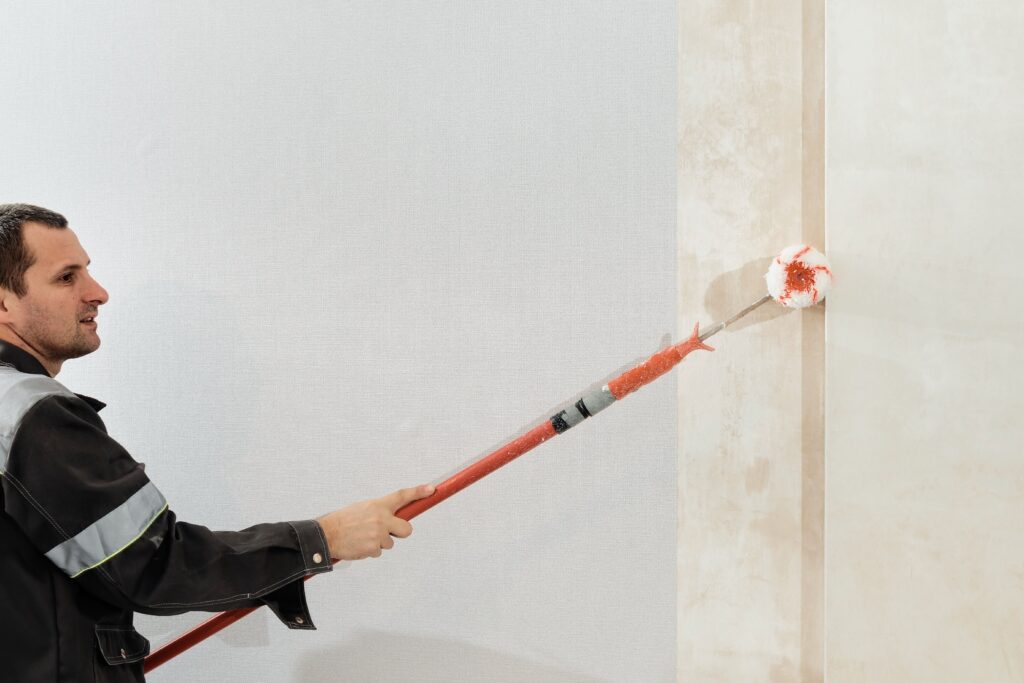
Step 3: First Coat Application
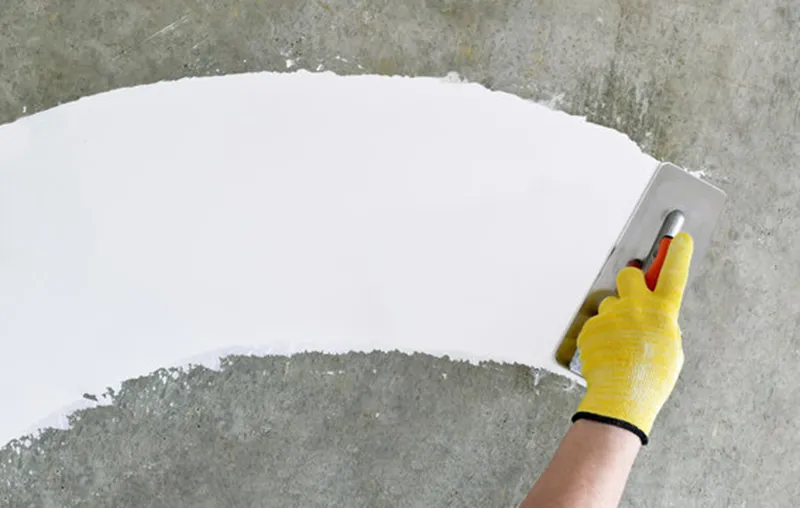
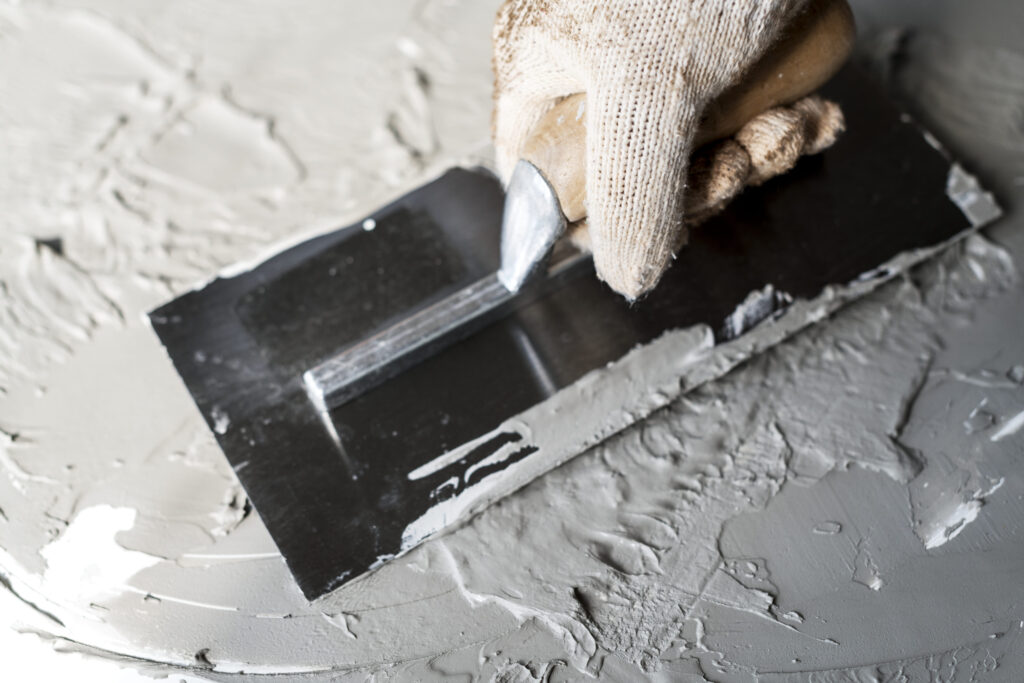
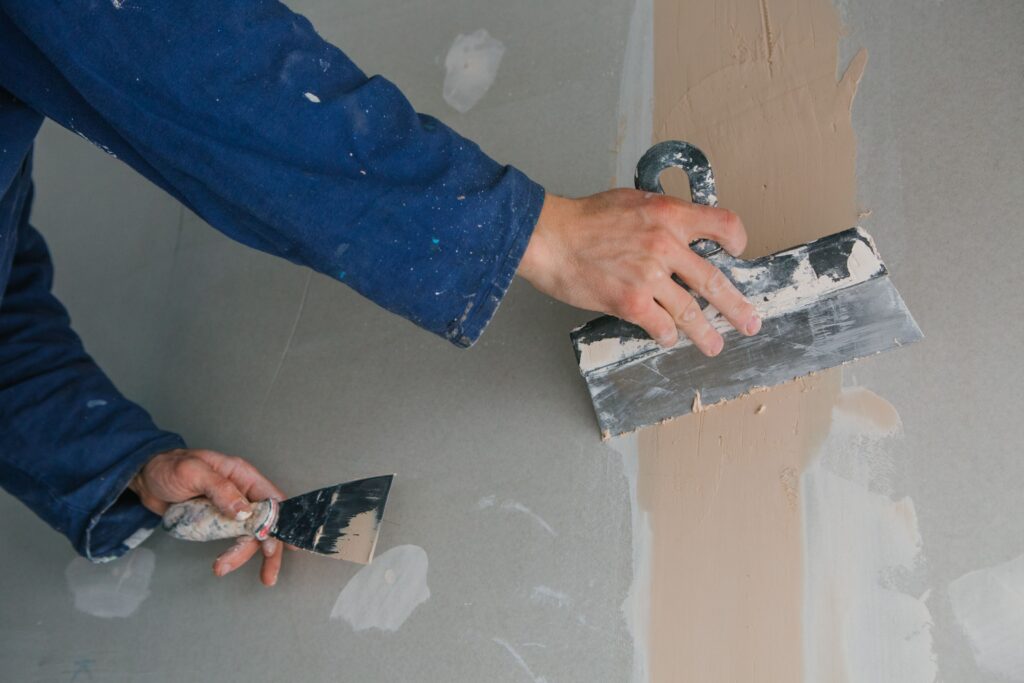
  • Apply the first coat using a putty blade or steel trowel.
  • Spread a thin and even layer over the surface.
  • Allow it to dry completely (usually 4–6 hours, depending on weather conditions).
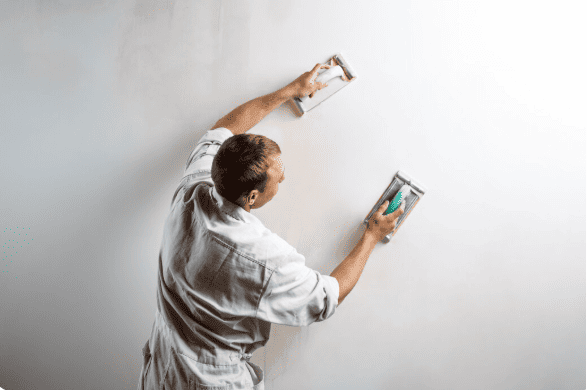
Step 4: Sanding
  • Once dry, gently rub the surface with fine sandpaper to remove marks and achieve smoothness.
  • Clean the surface to remove sanding dust.
Step 5: Second Coat Application
  • Apply a second thin coat to achieve a smoother and more uniform finish.
  • Allow it to dry completely.
Step 6: Final Sanding
  • Lightly sand the surface again for a smooth, paint-ready finish.
  • Wipe off dust before applying primer and paint.
Important Tips
  • Do not mix excessive material at once.
  • Always use clean water for mixing.
  • Avoid applying putty on damp or wet surfaces.
  • Follow manufacturer’s instructions for best performance.

Proper application of wall putty improves paint adhesion, enhances finish quality, and ensures long-lasting results.

Wall Putty vs White Cement

Feature Wall Putty White Cement
Purpose Surface smoothing & paint base Construction & decorative works
Finish Ultra-smooth Comparatively rough
Adhesion High Moderate
Paint Compatibility Excellent Limited
Crack Resistance Better Less
Wall putty is specifically designed for painting applications, unlike white cement.

Recent Blogs

Frequently Asked Questions

Can wall putty be used outside the house?

Yes, wall putty can be used outside the house — but only if it is specially formulated for exterior use.

Exterior wall putty is designed to withstand harsh weather conditions such as:

  • Rain and moisture
  • Sunlight and UV exposure
  • Temperature changes
  • Humidity

It is usually cement-

  • Interior walls
  • Exterior walls (with exterior-grade putty)
  • Cement plaster surfaces
  • Concrete walls
  • Renovation and repainting projects

No, wall putty is not the same as white cement, although white cement is one of the main ingredients in many types of wall putty.

Key Differences

1. Composition

  • White Cement is a basic cement product made from limestone and clay with very low iron content.
  • Wall Putty is a ready-to-use finishing material made from white cement, polymers, minerals, and special additives.

2. Purpose

  • White Cement is mainly used for tile grouting, decorative works, and small repair jobs.
  • Wall Putty is specifically designed to smooth wall surfaces and prepare them for painting.

3. Application

  • White cement is not formulated to provide the smooth finishing quality required before painting.
  • Wall putty spreads easily, fills minor cracks, and creates a smooth, paint-ready surface.

4. Performance

  • Wall putty offers better adhesion, flexibility, and resistance to minor cracking compared to plain white cement.

The best putty is the one, which is a high quality cement wall putty from well-known brands like Shashwat Wallcare.

Yes, wall putty can help reduce dampness, but its effectiveness depends on the type of putty and the extent of the moisture problem.

How Wall Putty Helps Against Dampness

1. Exterior-Grade Putty

  • Specially formulated exterior wall putty is water-resistant and can protect walls from light to moderate moisture.
  • It seals small pores and cracks, preventing water from easily penetrating the surface.

2. Interior Walls

  • Standard interior putty is not fully waterproof, so it cannot prevent severe dampness or water seepage.

Limitations

  • Wall putty is not a substitute for proper damp-proofing.
  • For walls exposed to heavy rain, rising damp, or leaks, you need additional solutions like waterproof coatings, damp-proof membranes, or masonry treatments.

Yes, putty improves the paint finish and also reduces the amount of paint used.

Usually, 6 to 8 hours for each coat, but it depends on the temperature and humidity.

1. Window Glazing Putty (Linseed Oil–Based)

Surface dry: 3–7 days
Fully cured: 2–4 weeks (sometimes longer)

  • Stays soft for several days.
  • Can usually be painted after about 7–14 days, depending on temperature and humidity.
  • Colder weather = slower drying.

2. Wall Putty (Interior Wall / Painter’s Putty)

Touch dry: 30 minutes to 2 hours
Ready for sanding/next coat: 4–6 hours
Fully dry before painting: 24 hours

  • Drying time depends on thickness.
  • Good ventilation helps speed things up.

3. Automotive Body Filler (Often Called Putty)

Initial set: 5–10 minutes
Sandable: 20–30 minutes
Fully cured: About 24 hours

  • Hardens fast once mixed with hardener.
  • Work quickly after mixing.


© 2026 SHASHWAT “Sada Ke Liye” | Disclaimer | Privacy Policy | Marketing by iGlobalizer