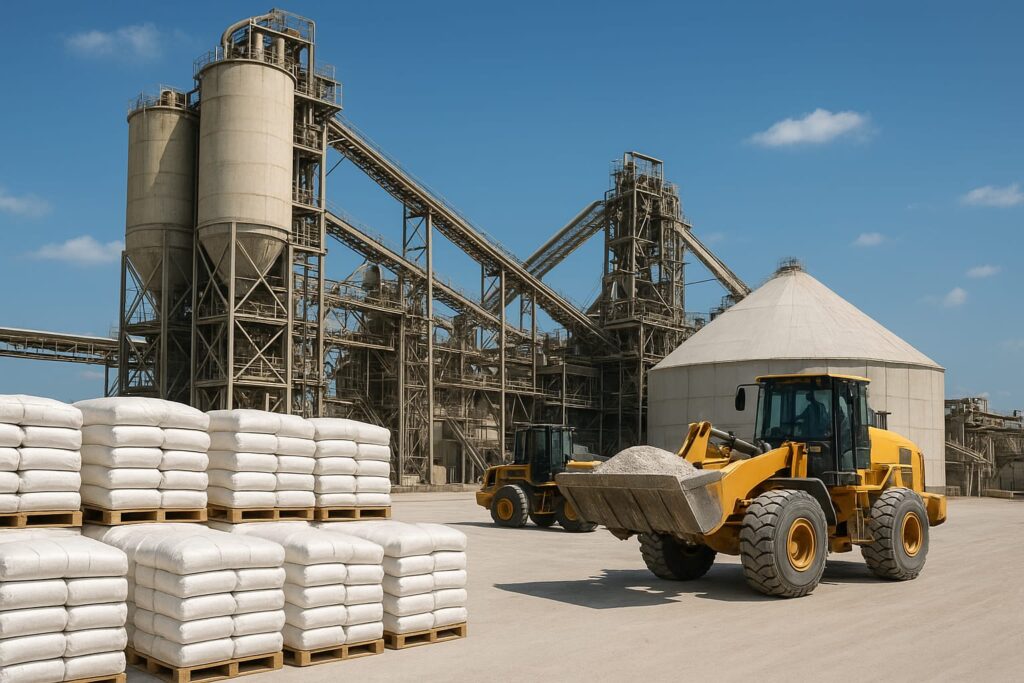

Wall putty can be termed as the material that is used in skimming walls before painting. It is basically a smooth paste that serves to cover not only rough but also uneven areas. Upon its application, putty goes on filling in all the tiny cracks, holes, and imperfect areas. As a result, a smooth and an even base is created for the paint. Using wall putty improves the quality of the paint used, its adhesion is also prolonged and, on top of that, it is not going to crack or peel.
Moreover, wall putty also acts as a barrier against dust, moisture and slight damages. The majority of wall putties contain white cement, polymers and minerals as their constituent materials. These components impart strength, smoothness, and durability to the walls. Wall putty is advantageous concerning both interior and exterior walls. The interior wall gets an immaculate and polished look, while the exterior wall gains an additional layer of protection against rain, sunlight, and humidity.
A wall without putty is more likely to display uneven surfaces, marks or problems related to the old plaster. Painting directly on such walls can result in uneven color, peeling or early damage. Wall putty eliminates these issues and offers a robust and even surface for the paint. It also improves the aesthetics of the wall and extends the life of the paint.
Uses & Application of Wall Putty
- Wall putty stands out with its list of very important functions in building construction and home decoration:
- Smoothening the wall: It fills tiny cracks, dents and rough areas thus giving walls a smooth and uniform surface.
- Paint base: Putty primes the wall therefore paint applies evenly and lasts longer.
- Moisture barrier: Well-done wall putty does not allow water into walls hence there are fewer cases of paint peeling and wall damage.
- Paint reduction: Due to the smoothness of the surface, paint glides on easily and less quantity of paint is required.
- Look enhancement: After the application of putty, walls appear clean, bright, and polished.
- Strength: It contributes to the making of strong walls by sealing tiny cracks and preventing minor cracks from spreading.
Wall putty is beneficial for any kind of walls, whether they are made of cement, bricks, or concrete. It helps the exterior walls to fight the weather and also to last longer with the paint. Putting down the interior wall of the house makes it look more immaculate, professional, and brighter.
Types of Wall Putty
So, wall putty is made in various categories, each one serving different surfaces and applications. The two of them which are the most used ones are Acrylic Wall Putty and White Cement Wall Putty.
1. Acrylic Wall Putty
Acrylic wall putty is a water-based product that is ready for use. It is mainly applied to interior walls. This type of putty has a fast-drying feature and the finish is smooth. With acrylic putty, you get less weight and a better application process. It also promotes the adhesion of paint and prevents the wall from looking dull.
However, one drawback of acrylic putty is its low strength for outdoor applications. It may suffer from water or rain if they are continuous. Therefore, it is safer to use indoors, in rooms, or living areas where walls are normally dry. Acrylic putty is also the winner when it comes to repair or touch-up jobs as it can be done easily.
2. White Cement Wall Putty
White cement wall putty is a mix of white cement, polymers, and fine minerals. It outperforms acrylic putty in strength and quality and thus can be applied both interior and exterior walls. White cement putty adheres to the wall very well and provides excellent resistance to moisture.
This type of putty is very much like giving a smooth, bright, and durable surface. Paint looks cleaner and lasts longer when applied over white cement putty. It is suitable for homes, offices, and commercial buildings that are subject to the impact of weather or heavy usage. White cement wall putty is the first choice for outdoors due to its long-standing and protective qualities.
Wall Putty Application Process: Step-by-Step Guide
To the get the right wall finish that is smooth and lasting for long, wall putty application is a must. Before anything else, here is a simple step-by-step guide on how to do it:
Step 1: Clean the Wall
Clean the wall surface nicely before applying putty. Dust, grease, old paint, and loose plaster need to be removed. A clean wall will provide a good bond for the putty and thus, prevent peeling or cracking.
Step 2: Mix the Putty
In case of powder putty, mix it with pure water to obtain a smooth paste. Gradually add water to avoid creating lumps. The desired consistency is that of cream and it can be easily spread on the wall. Ready-to-use putties do not require mixing and can be applied directly.
Step 3: Pre-Wet the Wall
Make the wall surface a bit wet before putting on the putty. This will make the putty grip better and also help it not to dry too fast.
Step 4: Apply the First Coat
With a putty knife or flat blade apply a very thin layer of putty and push it from bottom to top covering the whole area. The first coat will take care of filling the small cracks, holes, and uneven spots.
Step 5: Smooth and Dry
Give time for the first coat to dry completely. After it is dry use either a clean knife or sandpaper to smoothen and level the surface.
Step 6: Apply the Second Coat
Apply a second coat of putty thinner than the first one for a smoother finish. It is this coat that ensures the wall is completely even and is ready for primer or paint.
Step 7: Final Drying
Do not apply primer or paint until the wall has dried completely. The drying period is determined by the wall material, temperature, and humidity. A wall that is completely dry will provide better adhesion and more lasting results for the paint.
Putty or Primer First?
- First of all, the application order of putty and primer is still an issue to be resolved by the home decorators. The right sequence goes with: initially, putty, later, primer, and lastly, paint.
- By the application of putty, the wall is made smooth, and at the same time, cracks are filled. On the other hand, primer is applied over the putty to create a durable base for the paint. It guarantees the paint’s even spread, good adhesion, and long-lasting properties.
- A few top-grade putties might leave a surface almost similar to that of a primer, however, the application of primer after putty still offers a great benefit in terms of protection and aesthetics of the paint. Furthermore, if primer is skipped, surely the life of the paint would be lesser even if putty is used.
Pros & Cons of Using Wall Putty
Pros of Using Wall Putty
- Smooth Wall Surface: Putty, by filling cracks and uneven areas, gives walls a polished and uniform look.
- Better Paint Finish: Painting over putty makes walls brighter and cleaner.
- Reduces Paint Usage: Paint spreads easily over smooth surfaces and therefore, the amount of paint needed is less.
- Moisture Protection: Putty, by preventing the water from entering the walls, protects the paint and the wall structure.
- Longer Paint Life: A wall with putty, paint does not peel or crack easily.
- Durable Walls: Quite simply put, putty gives a stronghold to the walls, making them more robust and long-lasting.
Cons of Using Wall Putty
- Extra Cost: The expenses on putty as well as its application will inevitably add to the overall construction costs.
- Time-Consuming: It is necessary to go through the processes of cleaning, mixing, applying two coats, and drying before painting.
- Requires Skill: In order to avoid uneven or rough finishes, application has to be carried out by someone having experience.
- Not Always Necessary: If the walls are already smooth, you may opt-out of putty. However, for the best finish, putty should be used anyway.
Wall Putty: Application
Wall putty always needs to be applied before painting in order to get the best results. The process begins after plastering has been done and the wall is dry. First, wash the wall very well. If using powder form, mix the putty to a smooth, creamy consistency.
First apply the coat evenly to fill the cracks and little imperfections. Then let it dry completely and then smooth it with a putty knife or sandpaper. For perfect surface apply a second coat. Before starting primer and painting, allow the wall to dry completely.
Today’s wall putties have been made to be durable, smooth, and crack-free. They make the paint to look brighter, cut down on paint consumption, and they also prolong the life of both the paint and the wall. Whether it is for inside or outside walls, the proper wall putty application guarantees a professional and a lasting finish.
Conclusion
Wall putty is an indispensable material in any wall-painting project. It flattens surfaces, protects walls from moisture, increases paint life, and beautifies your home or office. The right type of putty, be it acrylic or white cement, gives strong and long-lasting results. The right application method is paramount for a smooth and durable finish.
Wall putty application may take extra time and involve cost but the good side is that the advantages are many compared to the disadvantages. A wall that has been done with putty is very neat and looks polished and professional. Moreover, it is a great way to save on paint and reduce maintenance over the years. Always apply putty first, and then primer and paint, to get the best wall finish possible.
With the right care and application wall putty will make the walls in your house and outside look so good, strong, and smooth for many years to come. It is a small step that plays a huge role in the longevity and beauty of painted walls.