When the walls need to be painted there is the question from many users that if they should use putty or primer first. The right order is to apply putty first and then primer. Putty is used to the wall to fill in cracks, holes and uneven areas, it makes a smooth and flat base which is very important for a professional-looking paint finish. If putty has not been applied the wall may still be rough and paint may peel or have an uneven look.
After the putty has been applied and dried, it is time for primer. The primer creates a layer between the putty and the paint. It guarantees better paint adhesion and gives the wall a consistent color. The use of putty first also helps to decrease the amount of paint needed since a smooth surface takes up less paint. In a nutshell, putty preps the wall, and primer shields it and enhances the paint finish.
Is it Necessary to Apply Primer After Putty
Absolutely, applying primer after putty is very much recommended. Putty does smoothen the wall but does not completely seal it off. Primer is a bonding layer that guarantees the paint will stick properly to the wall. It also brings out the paint’s brightness and longevity.
Primer is a safeguard against color irregularities and moisture and stains that can ruin the wall. It also ensures a longer life for the paint and that it won’t easily peel off. Not applying primer after putty might cause uneven paint absorption and may shorten the life of the paint. Even top-notch putties like Shashwat Wall Putty gain from a coat of primer prior to painting. This combination leads to a smooth, bright, and durable wall finish.
How to Apply Cement Primer on Wall
Cement primer application is an easy process but it needs a little more attention to detail in order to get the best results. The following is a step-by-step guide:
- Clean the Wall: Dust, grease, and loose particles have to be removed. A clean surface is the key to the proper adhesion of the primer.
- Mix the Primer: Normally, cement primers come in a liquid form. Before applying, make sure that it is well shaken or stirred. This is to ensure that the compound is of uniform consistency throughout.
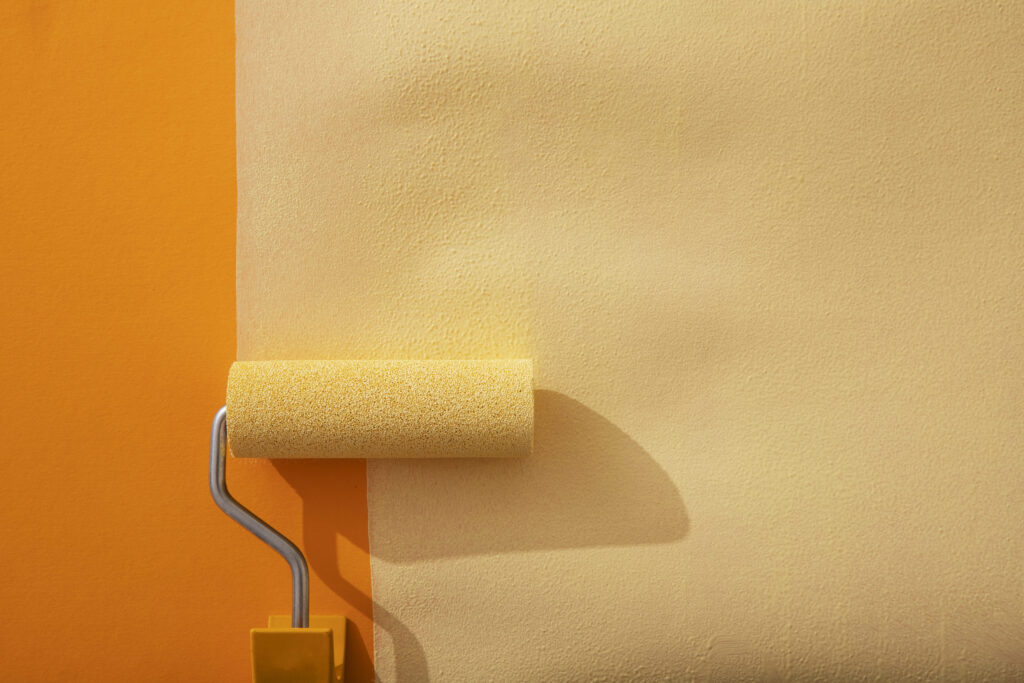
- Primer Application: The primer can be applied to the wall using a brush, roller, or spray. Just make sure that a thin and even coat is being applied. Dripping or patchy areas should be avoided.
- Drying Phase: Wait for the primer to dry totally before starting to paint. The time taken for drying may differ according to the temperature and humidity, it is usually around 2–4 hours.
- Inspect the Surface: After the drying has been completed, look for any areas that have been missed and apply a touch-up if needed. The wall can now be painted with the final coat of paint.
By the application of cement primer after using Shashwat Wall Putty, the walls will be smooth, moisture-resistant, and ready for painting. It also makes the adhesion of paint stronger, the consumption of paint smaller, and gives a professional finish that lasts longer.
Conclusion To achieve the best wall finish always start with putty, then apply cement primer followed by paint. Putty takes care of all imperfections and creates a smooth surface while the primer takes care of the paint adhesion and durability. Adopting this sequence with top-quality products like Shashwat Wall Putty results in walls that look bright, clean and professional for many years. Proper wall preparation is the foundation of long-lasting and attractive paintwork.